THE ADVENTURE COLLECTIVE® · Independent discovery and booking for outdoor travel

Walk Conwy at your own pace with a 40–60 minute self-guided audio tour that follows the castle, town walls, Plas Mawr and cobbled lanes. Download the VoiceMap route, pop in headphones, and choose where to linger without joining a group.
Walk Conwy at your own pace with a 40–60 minute self-guided audio tour that follows the castle, town walls, Plas Mawr and cobbled lanes. Download the VoiceMap route, pop in headphones, and choose where to linger without joining a group.
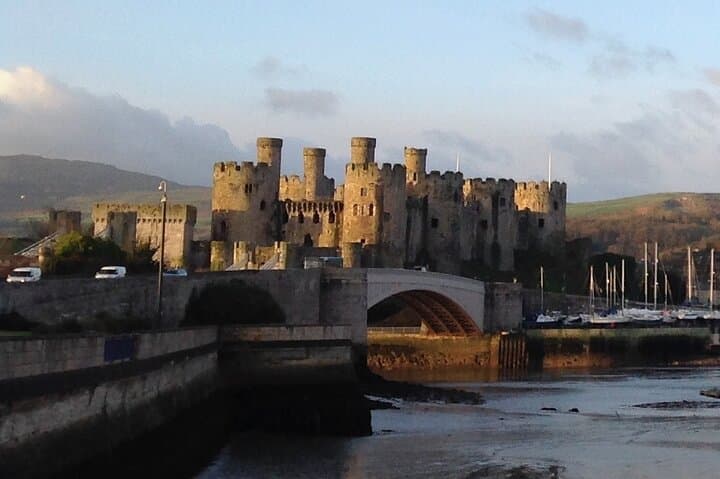
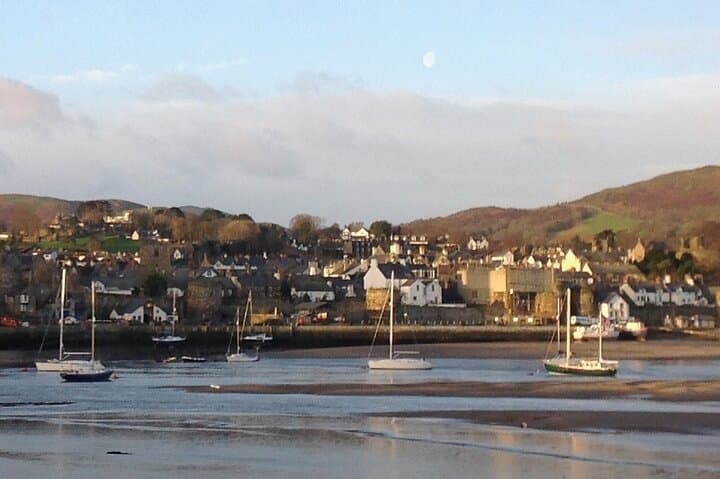
You step off the quay as a salt breeze tugs at your hood; the Conwy estuary hums and the castle looms like a stone challenge from the 13th century. Headphones on, the VoiceMap narration begins and the town’s cobbled alleys open up—walls, timbered facades, and narrow lanes that still hold the cadence of medieval life.
Verified experiences and guided adventures in the surrounding area.
Operated by VoiceMap Audio Tours · Conwy, Conwy County Borough
You step off the quay as a salt breeze tugs at your hood; the Conwy estuary hums and the castle looms like a stone challenge from the 13th century. Headphones on, the VoiceMap narration begins and the town’s cobbled alleys open up—walls, timbered facades, and narrow lanes that still hold the cadence of medieval life.
Conwy grew around Edward I’s fortress and its defensive town walls, part of the Castles and Town Walls of King Edward in Gwynedd UNESCO group. Geologically the town sits where glacially-sculpted valleys meet the Irish Sea, and the river’s tide has shaped the harbors and causeways you walk beside. Cultural threads run from Elizabethan Plas Mawr to the 19th‑century Italian migrants behind Parisella’s ice cream. The Conwy Suspension Bridge, attributed to Thomas Telford, frames views across the estuary and offers sharp vantage points for the castle and town walls.
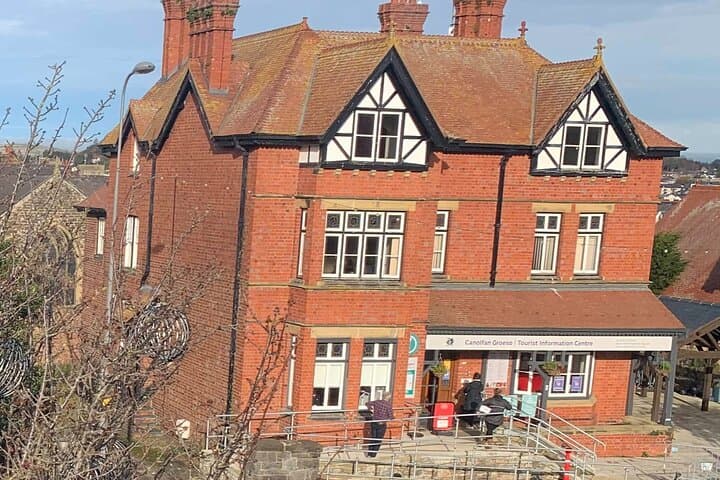
Practical guidance: the tour begins outside the Conwy Tourist Information Centre and takes about 40–60 minutes at walking pace, but the audio is yours to pause and extend. It doesn’t include paid entry to sites like the castle or Plas Mawr, so plan tickets if you want interior access. Download the VoiceMap content for offline use, carry layered waterproofs—weather can change fast—and wear firm-soled shoes for cobbles and steps. Peak mornings and late afternoons offer softer light and fewer day-trippers; lunch options cluster around the quay. With a phone, headphones, and a little curiosity, this self-guided route lets you set the pace through one of Wales’s most intact medieval towns.
easy.
40–60 minutes.
Suitable for all fitness levels; requires basic mobility for cobbled streets and short flights of steps.
The route runs about 40–60 minutes at a steady walking pace, but the audio is pauseable so you can linger at any stop.
No — the audio tour passes and describes the exterior of the castle; admission must be purchased separately if you want to go inside.
No — the VoiceMap tour can be downloaded for offline use; download audio and map data before you start.
Much of Conwy is historic cobbles and narrow lanes; some sections have steps and uneven surfaces, so accessibility may be limited in parts.
Conwy was fortified by Edward I in the late 13th century; the castle and almost-complete town walls were designed as part of his campaign to control North Wales.
Tread lightly on historic fabric—stick to paved routes and respect private property; local groups work to preserve the walls and manage visitor impact around the quay.
VoiceMap Audio Tours operates guided outdoor trips and adventures with an emphasis on safety, stewardship, and memorable experiences.
You step off the quay as a salt breeze tugs at your hood; the Conwy estuary hums and the castle looms like a stone challenge from the 13th century. Headphones on, the VoiceMap narration begins and the town’s cobbled alleys open up—walls, timbered facades, and narrow lanes that still hold the cadence of medieval life.
You step off the quay as a salt breeze tugs at your hood; the Conwy estuary hums and the castle looms like a stone challenge from the 13th century. Headphones on, the VoiceMap narration begins and the town’s cobbled alleys open up—walls, timbered facades, and narrow lanes that still hold the cadence of medieval life.
Conwy grew around Edward I’s fortress and its defensive town walls, part of the Castles and Town Walls of King Edward in Gwynedd UNESCO group. Geologically the town sits where glacially-sculpted valleys meet the Irish Sea, and the river’s tide has shaped the harbors and causeways you walk beside. Cultural threads run from Elizabethan Plas Mawr to the 19th‑century Italian migrants behind Parisella’s ice cream. The Conwy Suspension Bridge, attributed to Thomas Telford, frames views across the estuary and offers sharp vantage points for the castle and town walls.
Practical guidance: the tour begins outside the Conwy Tourist Information Centre and takes about 40–60 minutes at walking pace, but the audio is yours to pause and extend. It doesn’t include paid entry to sites like the castle or Plas Mawr, so plan tickets if you want interior access. Download the VoiceMap content for offline use, carry layered waterproofs—weather can change fast—and wear firm-soled shoes for cobbles and steps. Peak mornings and late afternoons offer softer light and fewer day-trippers; lunch options cluster around the quay. With a phone, headphones, and a little curiosity, this self-guided route lets you set the pace through one of Wales’s most intact medieval towns.