THE ADVENTURE COLLECTIVE® · Independent discovery and booking for outdoor travel

Follow the historic Natchez Trace at your own pace with a GPS-triggered audio guide that narrates geology, history and cultural spots along the Tennessee–Alabama corridor. Pre-download the tour and plan stops at waterfalls, original sunken traces and small historic towns.
Follow the historic Natchez Trace at your own pace with a GPS-triggered audio guide that narrates geology, history and cultural spots along the Tennessee–Alabama corridor. Pre-download the tour and plan stops at waterfalls, original sunken traces and small historic towns.
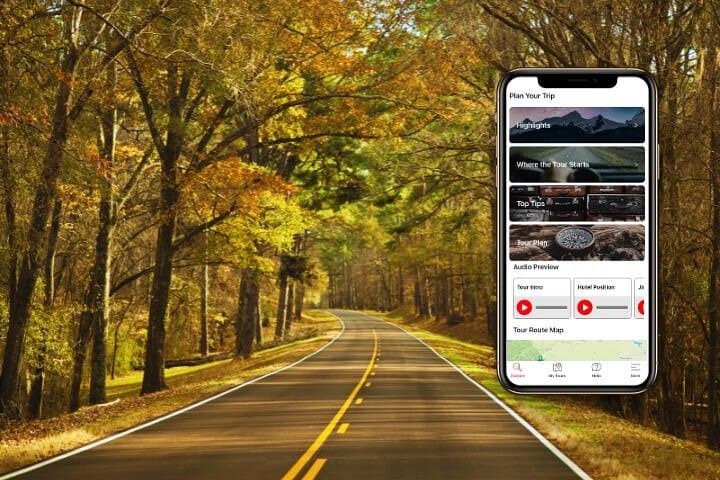
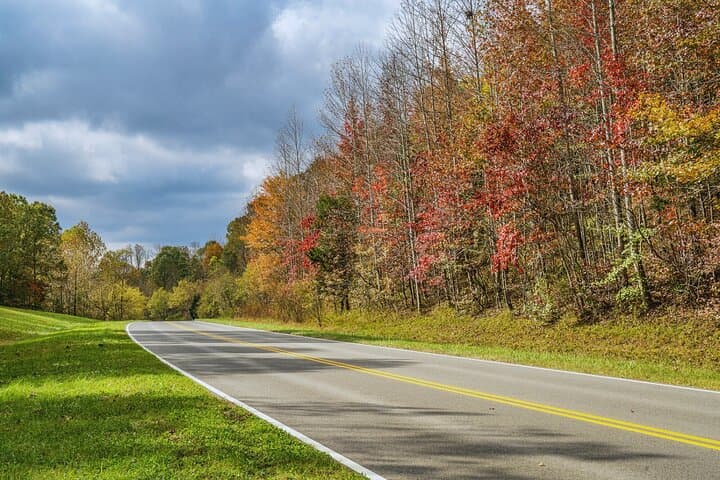
You ease onto a two-lane ribbon of asphalt that threads through low hills and hardwood forest; the car windows frame sunlit clearings and the occasional stone marker that marks centuries of travel. The Parkway’s roadside hum is a steady companion as audio commentary begins to place you beside hunters, traders, and early settlers who moved along the original Trace.
Verified experiences and guided adventures in the surrounding area.
Operated by GuideAlong (GyPSy Guide) · Nashville, TN
You ease onto a two-lane ribbon of asphalt that threads through low hills and hardwood forest; the car windows frame sunlit clearings and the occasional stone marker that marks centuries of travel. The Parkway’s roadside hum is a steady companion as audio commentary begins to place you beside hunters, traders, and early settlers who moved along the original Trace.
The Natchez Trace began as a network of Native American footpaths and evolved into a vital corridor for explorers and postal riders. Geologically, the route rides atop rolling limestone and red clay soils — pockets of exposed bedrock and small springs punctuate the drive. Cultural waypoints along Tennessee and Alabama portions include small river crossings, preserved camp sites, and the graves and memorials tied to figures like Meriwether Lewis.
Expect quiet pullouts, short interpretive walks, and roadside overlooks that reward a five-minute detour. The audio tour uses GPS triggers to deliver historical anecdotes, driving directions, and local tips so you can linger at waterfalls, a vintage crossroads village, or the original sunken Trace without losing context.
Practical guidance: pre-download the GuideAlong tour on Wi‑Fi, charge your phone, and use a car charger adapter. Plan a 4–5 hour loop if you want multiple stops; allow a full day to explore side trips like Leiper’s Fork or Jackson Falls. Drive defensively — wildlife moves onto the road at dawn and dusk — and treat scenic pullouts as short hikes rather than parking zones. With basic prep the self-guided tour gives you the pace of a private guide and the freedom to shape the day.
easy.
4–5 hours.
Suitable for most fitness levels; minimal walking required for most points of interest, but some short uneven trails exist.
No — once you download the GuideAlong app and the specific tour to your phone over Wi‑Fi or cellular before you depart, the GPS-triggered audio plays offline.
Yes — one purchase covers everyone in the vehicle; play through your phone speaker or connect via Bluetooth to your car stereo.
Yes — the tour is flexible and designed to start, stop, and resume at any point; suggested itineraries are provided for half, full, or multi-day use.
Yes — content is family-friendly and stops include short walks and picnic spots, but supervise kids near road edges and water features.
The Trace originated as Native American pathways and later served as a crucial route for European traders and early American settlers; preservation efforts in the early 20th century led to the modern National Parkway.
The Natchez Trace Parkway is managed to preserve historic landscapes and habitats — stay in designated pullouts, pack out trash, and avoid driving on closed sections to protect fragile soils and archaeological features.
GuideAlong (GyPSy Guide) operates guided outdoor trips and adventures with an emphasis on safety, stewardship, and memorable experiences.


You ease onto a two-lane ribbon of asphalt that threads through low hills and hardwood forest; the car windows frame sunlit clearings and the occasional stone marker that marks centuries of travel. The Parkway’s roadside hum is a steady companion as audio commentary begins to place you beside hunters, traders, and early settlers who moved along the original Trace.
You ease onto a two-lane ribbon of asphalt that threads through low hills and hardwood forest; the car windows frame sunlit clearings and the occasional stone marker that marks centuries of travel. The Parkway’s roadside hum is a steady companion as audio commentary begins to place you beside hunters, traders, and early settlers who moved along the original Trace.
The Natchez Trace began as a network of Native American footpaths and evolved into a vital corridor for explorers and postal riders. Geologically, the route rides atop rolling limestone and red clay soils — pockets of exposed bedrock and small springs punctuate the drive. Cultural waypoints along Tennessee and Alabama portions include small river crossings, preserved camp sites, and the graves and memorials tied to figures like Meriwether Lewis.
Expect quiet pullouts, short interpretive walks, and roadside overlooks that reward a five-minute detour. The audio tour uses GPS triggers to deliver historical anecdotes, driving directions, and local tips so you can linger at waterfalls, a vintage crossroads village, or the original sunken Trace without losing context.
Practical guidance: pre-download the GuideAlong tour on Wi‑Fi, charge your phone, and use a car charger adapter. Plan a 4–5 hour loop if you want multiple stops; allow a full day to explore side trips like Leiper’s Fork or Jackson Falls. Drive defensively — wildlife moves onto the road at dawn and dusk — and treat scenic pullouts as short hikes rather than parking zones. With basic prep the self-guided tour gives you the pace of a private guide and the freedom to shape the day.