THE ADVENTURE COLLECTIVE® · Independent discovery and booking for outdoor travel

Explore Aachen Cathedral at your own pace with a downloadable audio guide that walks you through Charlemagne’s Palatine Chapel, Gothic additions, and the relics that made this a medieval pilgrimage center. Learn practical tips for timing, access, and making the most of a 90-minute self-guided visit.
Explore Aachen Cathedral at your own pace with a downloadable audio guide that walks you through Charlemagne’s Palatine Chapel, Gothic additions, and the relics that made this a medieval pilgrimage center. Learn practical tips for timing, access, and making the most of a 90-minute self-guided visit.
You step off the cobbled square and the cathedral rises, its octagonal core catching the light like an old, precise machine. Stones worn smooth by centuries of footsteps seem to remember processions; the air carries the faint echo of Latin and bell tones. A mobile audio guide becomes your companion, a measured voice pointing out bronze doors, carved capitals, and the mirrored sheen of spolia columns.
Verified experiences and guided adventures in the surrounding area.
Operated by Tourific · Aachen, North Rhine-Westphalia
You step off the cobbled square and the cathedral rises, its octagonal core catching the light like an old, precise machine. Stones worn smooth by centuries of footsteps seem to remember processions; the air carries the faint echo of Latin and bell tones. A mobile audio guide becomes your companion, a measured voice pointing out bronze doors, carved capitals, and the mirrored sheen of spolia columns.
The core of the cathedral — the Palatine Chapel — was commissioned by Charlemagne in the late 8th century and later wrapped with Gothic additions that stretch the building’s chronology across a millennium. The Shrine of Charlemagne and the Shrine of St. Mary hold relics that made Aachen a pilgrimage center; the bronze portal carries the local legend of the devil’s thumb pressed into metal. Geologically, the building collects material from across the empire: porphyry and marble columns taken from older Roman sites sit beside medieval limestone and sandstone masonry.
Culturally, the cathedral has anchored coronations and civic ritual; it’s a working church, a museum of medieval craftsmanship, and a UNESCO-protected site with active conservation work.
Practical guidance: plan about 90 minutes, download the app and tour file before arrival (offline mode is provided), and expect security checks and occasional restricted areas during services. Modest dress is advised for a place of worship; large bags may be screened. Visit early morning or late afternoon to avoid guided-group congestion and give yourself time to linger at the shrine and the choir’s rib vaults. A small, attentive pace rewards details — inscriptions, capitals, and the play of light on centuries of restoration.
easy.
1.5 hours.
Minimal fitness required — mostly standing and short walks on level and cobbled surfaces
The mobile tour uses a single mobile ticket and is available on demand, but check cathedral opening hours and special event closures before you go.
Main floor access is possible but some areas (choir stalls, upper galleries) have steps or limited access — contact local cathedral staff for detailed access information.
Yes — the tour can be downloaded for offline use on iOS and Android and includes images and an interactive map once installed.
The tour points out key exhibits; however, access to the Cathedral Treasury or special exhibitions may require separate admission or be limited during services — check current onsite information.
Charlemagne commissioned the Palatine Chapel around 796–805 AD as an imperial chapel; later Gothic additions transformed it into the cathedral seen today and a coronation site for medieval German kings.
As a UNESCO World Heritage Site, the cathedral undergoes regular conservation work — visitors are asked to follow signage, avoid touching fragile surfaces, and stay on marked routes to limit wear.
Tourific operates guided outdoor trips and adventures with an emphasis on safety, stewardship, and memorable experiences.
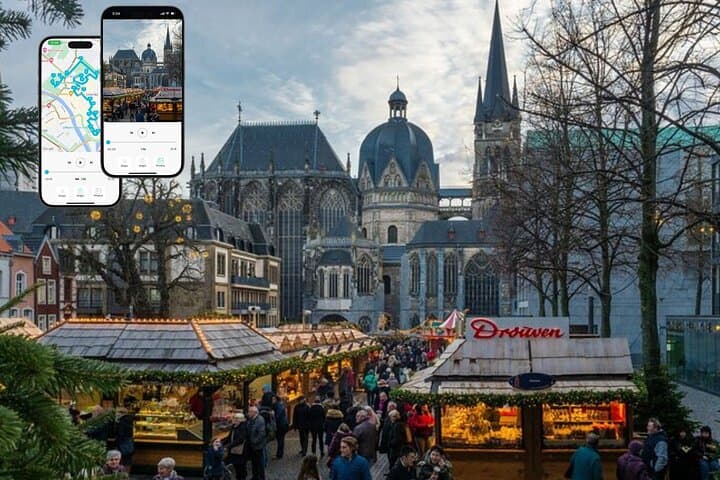
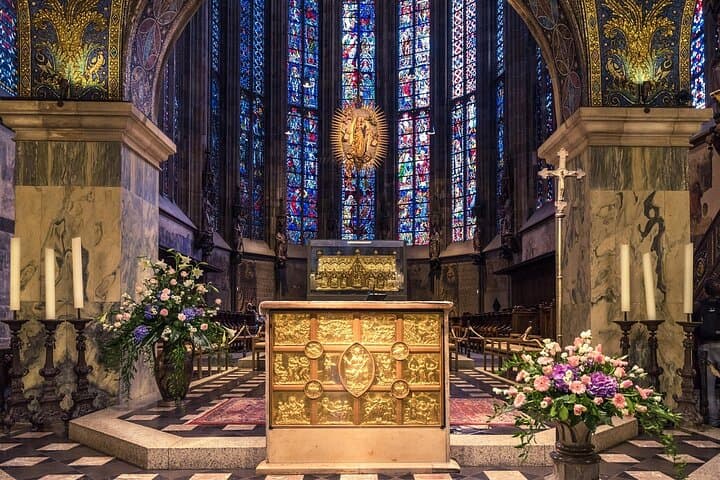
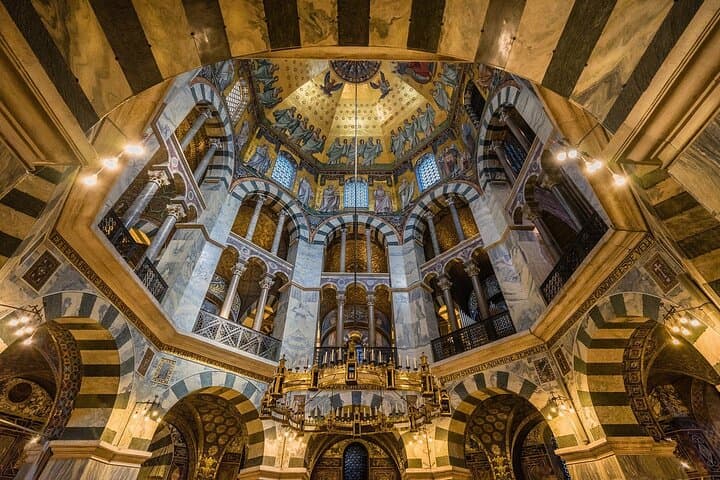
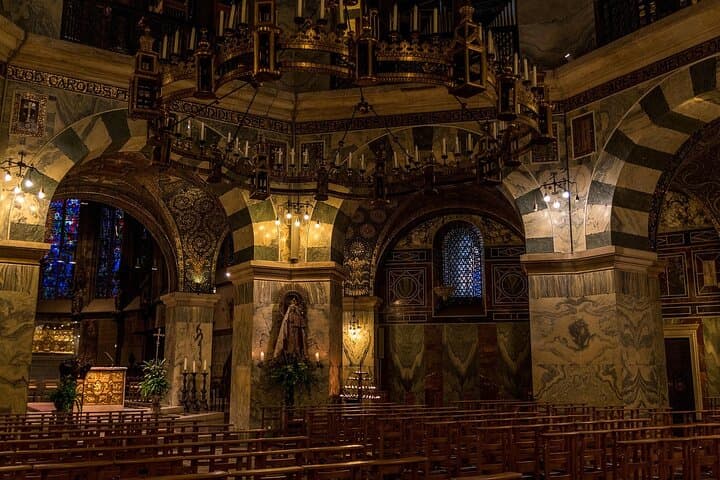
You step off the cobbled square and the cathedral rises, its octagonal core catching the light like an old, precise machine. Stones worn smooth by centuries of footsteps seem to remember processions; the air carries the faint echo of Latin and bell tones. A mobile audio guide becomes your companion, a measured voice pointing out bronze doors, carved capitals, and the mirrored sheen of spolia columns.
You step off the cobbled square and the cathedral rises, its octagonal core catching the light like an old, precise machine. Stones worn smooth by centuries of footsteps seem to remember processions; the air carries the faint echo of Latin and bell tones. A mobile audio guide becomes your companion, a measured voice pointing out bronze doors, carved capitals, and the mirrored sheen of spolia columns.
The core of the cathedral — the Palatine Chapel — was commissioned by Charlemagne in the late 8th century and later wrapped with Gothic additions that stretch the building’s chronology across a millennium. The Shrine of Charlemagne and the Shrine of St. Mary hold relics that made Aachen a pilgrimage center; the bronze portal carries the local legend of the devil’s thumb pressed into metal. Geologically, the building collects material from across the empire: porphyry and marble columns taken from older Roman sites sit beside medieval limestone and sandstone masonry.
Culturally, the cathedral has anchored coronations and civic ritual; it’s a working church, a museum of medieval craftsmanship, and a UNESCO-protected site with active conservation work.
Practical guidance: plan about 90 minutes, download the app and tour file before arrival (offline mode is provided), and expect security checks and occasional restricted areas during services. Modest dress is advised for a place of worship; large bags may be screened. Visit early morning or late afternoon to avoid guided-group congestion and give yourself time to linger at the shrine and the choir’s rib vaults. A small, attentive pace rewards details — inscriptions, capitals, and the play of light on centuries of restoration.