THE ADVENTURE COLLECTIVE® · Independent discovery and booking for outdoor travel

A four-day self-drive through Colchagua Valley blends vineyard visits, hands-on tastings and small-town Chilean culture. Expect scenic rural highways, bookable cellar tours, and practical driving requirements — ideal for travelers who want wine, views, and independent pace.
A four-day self-drive through Colchagua Valley blends vineyard visits, hands-on tastings and small-town Chilean culture. Expect scenic rural highways, bookable cellar tours, and practical driving requirements — ideal for travelers who want wine, views, and independent pace.
You ease out of Santiago’s traffic and the highway opens: a ribbon of asphalt threading through low hills that quickly become neat rows of vines. The valley breathes around you — leaves whisper, silty soil smells faintly of iron, and the occasional hacienda tilts its tile roof toward the sun. By late afternoon you’ll be parking beneath a pergola, bottle in hand, while the valley pushes a cool breeze up from nearby foothills.
Verified experiences and guided adventures in the surrounding area.
Operated by Signature Tours · Santa Cruz, O'Higgins Region
You ease out of Santiago’s traffic and the highway opens: a ribbon of asphalt threading through low hills that quickly become neat rows of vines. The valley breathes around you — leaves whisper, silty soil smells faintly of iron, and the occasional hacienda tilts its tile roof toward the sun. By late afternoon you’ll be parking beneath a pergola, bottle in hand, while the valley pushes a cool breeze up from nearby foothills.
Colchagua’s wine story runs from indigenous agriculture through colonial estancia economies to a modern renaissance when Cabernet and Carménère put the region on international maps. Geologically the basin gathers alluvial soils and well-drained colluvial slopes, conditions that vineyards prize; the microclimates between river corridors and low Andes foothills make for varied terroir.
Culture here moves at tasting-room pace: reserve a tour, visit the Colchagua Museum for local artifacts, and stop at small-town Lolol for crafts and empanadas. Night skies are large — Chamán Observatory nearby gives a clean look at constellations when conditions allow.
Practical guidance: book tastings in advance and pick a compact rental (narrow roads and parking are common). Carry local currency for small purchases, and monitor daylight when planning drives between vineyards. Expect paved highways between Santiago and Santa Cruz but some gravel access roads to boutique estates. Drivers must be 25+, present a passport and a major credit card, and obey Chilean rules — alcohol limits are strict. With sensible timing and a light itinerary, this self-drive loop rewards with good bottles, quieter cellars, and the calm pace of rural central Chile.
moderate.
4 days.
Light physical activity: walking between tasting rooms and short vineyard strolls; no special fitness required.
No—an originating country driver’s license and passport suffice for driving in Chile; the rental requires drivers be 25+ and present a major credit card.
Standard tours and tastings are not automatically included; the itinerary recommends wineries but many tastings incur separate fees—reserve and confirm pricing ahead.
Yes—this package includes pick-up and drop-off at Santiago Airport around noon on arrival and return after four days as listed in the itinerary.
All sales are final; this activity has a strict non-refundable policy, so double-check dates and traveler details before booking.
Colchagua has agricultural roots dating to colonial haciendas; viticulture expanded strongly in the 19th–20th centuries and today the valley is known for robust reds like Cabernet and Carménère.
Many wineries are adopting sustainable practices—water management and organic viticulture are growing trends; stay on roads, limit single-use plastics, and respect private property during tastings and vineyard walks.
Signature Tours operates guided outdoor trips and adventures with an emphasis on safety, stewardship, and memorable experiences.
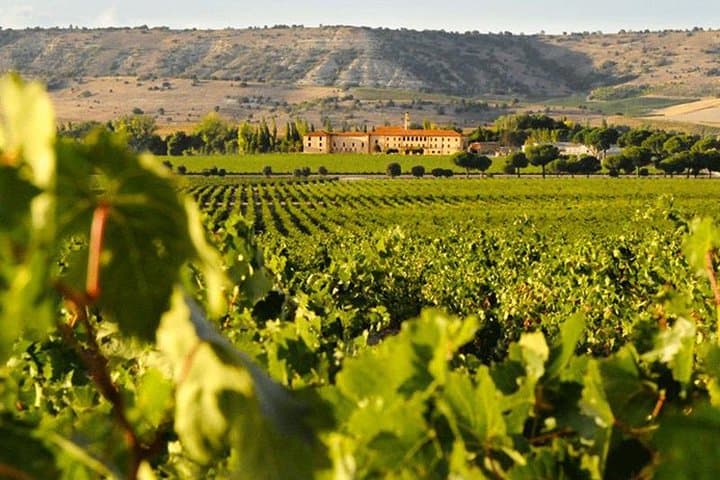
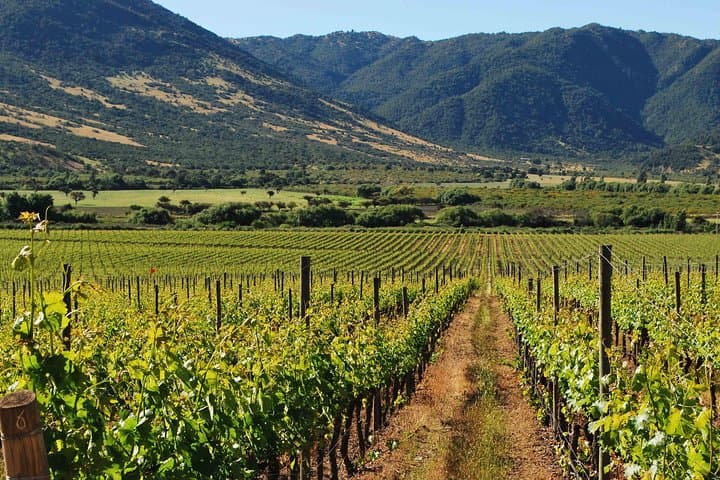
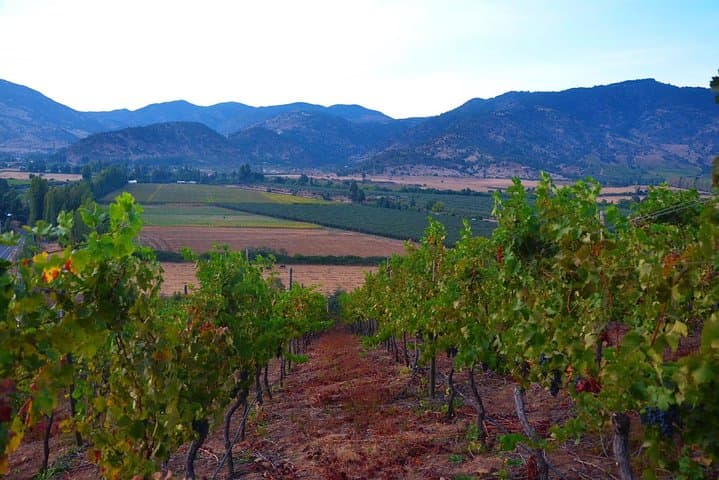
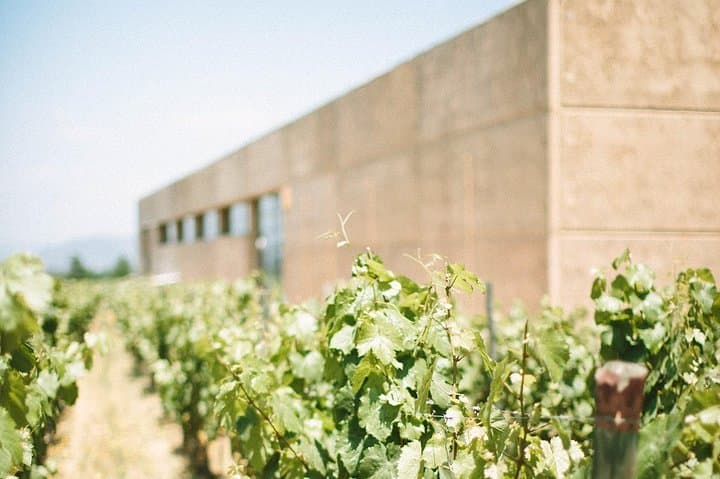
You ease out of Santiago’s traffic and the highway opens: a ribbon of asphalt threading through low hills that quickly become neat rows of vines. The valley breathes around you — leaves whisper, silty soil smells faintly of iron, and the occasional hacienda tilts its tile roof toward the sun. By late afternoon you’ll be parking beneath a pergola, bottle in hand, while the valley pushes a cool breeze up from nearby foothills.
You ease out of Santiago’s traffic and the highway opens: a ribbon of asphalt threading through low hills that quickly become neat rows of vines. The valley breathes around you — leaves whisper, silty soil smells faintly of iron, and the occasional hacienda tilts its tile roof toward the sun. By late afternoon you’ll be parking beneath a pergola, bottle in hand, while the valley pushes a cool breeze up from nearby foothills.
Colchagua’s wine story runs from indigenous agriculture through colonial estancia economies to a modern renaissance when Cabernet and Carménère put the region on international maps. Geologically the basin gathers alluvial soils and well-drained colluvial slopes, conditions that vineyards prize; the microclimates between river corridors and low Andes foothills make for varied terroir.
Culture here moves at tasting-room pace: reserve a tour, visit the Colchagua Museum for local artifacts, and stop at small-town Lolol for crafts and empanadas. Night skies are large — Chamán Observatory nearby gives a clean look at constellations when conditions allow.
Practical guidance: book tastings in advance and pick a compact rental (narrow roads and parking are common). Carry local currency for small purchases, and monitor daylight when planning drives between vineyards. Expect paved highways between Santiago and Santa Cruz but some gravel access roads to boutique estates. Drivers must be 25+, present a passport and a major credit card, and obey Chilean rules — alcohol limits are strict. With sensible timing and a light itinerary, this self-drive loop rewards with good bottles, quieter cellars, and the calm pace of rural central Chile.