THE ADVENTURE COLLECTIVE® · Independent discovery and booking for outdoor travel

Take the helm of a two-person speed boat and race along Punta Cana’s turquoise coastline, stopping at shallow coral gardens to snorkel among tropical fish. This focused 3-hour outing mixes adrenaline with underwater exploration and is suitable for most visitors with basic swimming ability.
Take the helm of a two-person speed boat and race along Punta Cana’s turquoise coastline, stopping at shallow coral gardens to snorkel among tropical fish. This focused 3-hour outing mixes adrenaline with underwater exploration and is suitable for most visitors with basic swimming ability.
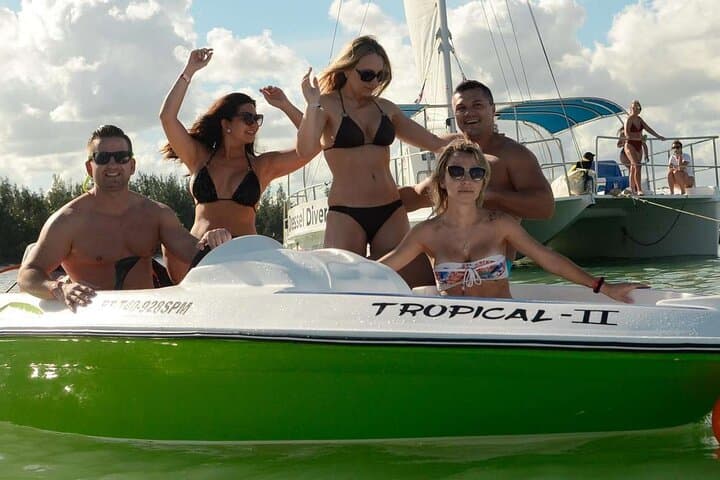
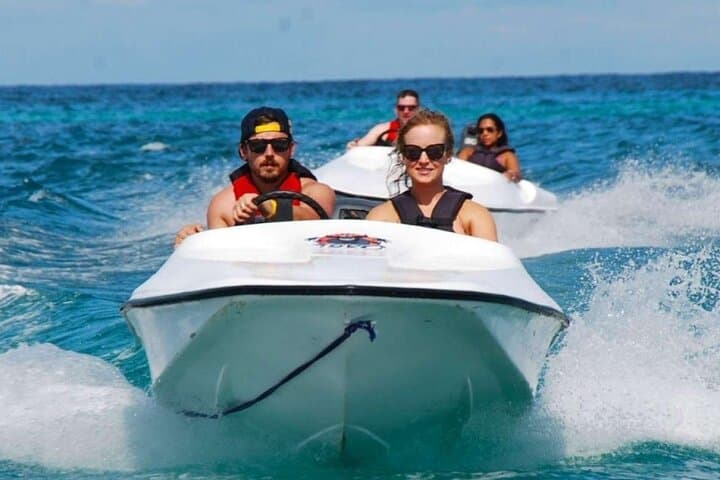
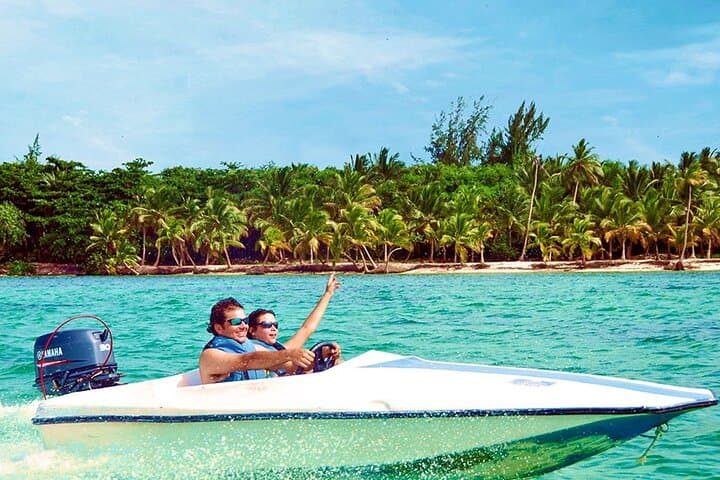
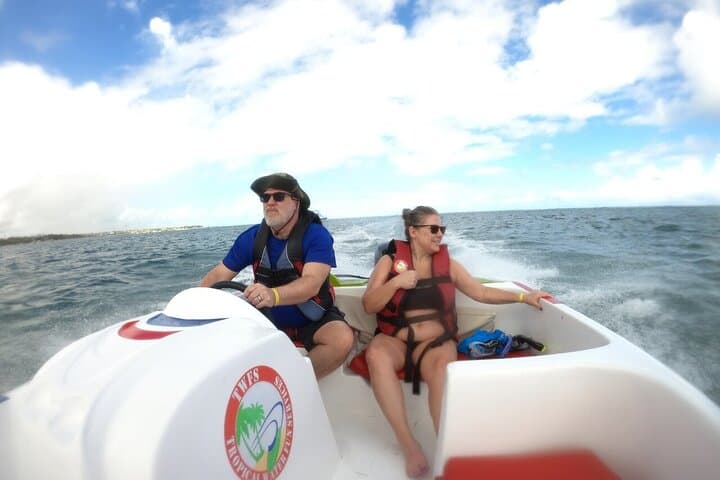
Salt air hits first — sharp and clean — as you step onto the dock and meet the two-person speed boat that will take you offshore. Guides run through a quick safety briefing, hand over the throttle, and suddenly the coastline of Punta Cana unfurls: reefs rimmed with turquoise, white sand blanching in the sun, and the steady push of trade winds in your face.
Verified experiences and guided adventures in the surrounding area.
Operated by Leny Tours · Punta Cana, La Altagracia
Salt air hits first — sharp and clean — as you step onto the dock and meet the two-person speed boat that will take you offshore. Guides run through a quick safety briefing, hand over the throttle, and suddenly the coastline of Punta Cana unfurls: reefs rimmed with turquoise, white sand blanching in the sun, and the steady push of trade winds in your face.
This stretch of the eastern Dominican Republic sits on limestone shelf and coral growth shaped over millennia, where currents and sand have made pocketed reefs that shelter tropical fish and sea turtles. The modern tourism boom here dates to the 1970s, when hotels pushed development eastward, but local fishing communities and beach towns like El Cortecito still supply the culture — music, food stalls and boatmen who read the sea by eye.
Expect 3 hours on the water: a mix of fast cruising, short stops to snorkel around shallow coral gardens, and time to race back along the shoreline. Visibility is usually good in the dry season; currents can be noticeable near channels. Guides provide snorkeling gear and lifejackets; basic swimming ability is required and instruction is given before each stop.
Practical pointers: wear reef-safe sunscreen and a snug mask, secure valuables in a dry bag, and plan hotel pickup times carefully. Keep an eye on the weather — tropical cells can form quickly — and respect reef rules: no touching coral, no feeding fish. When you’re back on land, a cold drink and fried plantains make an instant celebration — and a good way to compare notes about the reef’s bold parrotfish and occasional sea turtle encounters.
easy.
3 hours.
Suitable for most people with basic swimming ability; no sustained fitness required but expect short swims and brief climbs into the boat.
No prior experience is required; guides provide step-by-step instruction and supervise departures and returns, but you will be the one controlling the throttle when comfortable.
Yes — masks, snorkels and lifejackets are supplied, though many guests prefer to bring their own mask for fit and comfort.
Tours are generally open to most ages who can swim; infants and wheelchair users are not accessible—check operator policies at booking for specific limits.
Operators usually monitor conditions; cancellations due to severe weather follow the tour’s policy and you’ll be eligible for a refund if canceled at least 24 hours before departure.
Punta Cana’s coastline transformed rapidly with resort development beginning in the 1970s, shifting the local economy from small-scale fishing and agriculture to tourism.
Coral reefs here are vulnerable to warming, anchor damage and sunscreen chemicals; support operators who use mooring buoys and follow no-touch reef rules.
Leny Tours operates guided outdoor trips and adventures with an emphasis on safety, stewardship, and memorable experiences.
Salt air hits first — sharp and clean — as you step onto the dock and meet the two-person speed boat that will take you offshore. Guides run through a quick safety briefing, hand over the throttle, and suddenly the coastline of Punta Cana unfurls: reefs rimmed with turquoise, white sand blanching in the sun, and the steady push of trade winds in your face.
Salt air hits first — sharp and clean — as you step onto the dock and meet the two-person speed boat that will take you offshore. Guides run through a quick safety briefing, hand over the throttle, and suddenly the coastline of Punta Cana unfurls: reefs rimmed with turquoise, white sand blanching in the sun, and the steady push of trade winds in your face.
This stretch of the eastern Dominican Republic sits on limestone shelf and coral growth shaped over millennia, where currents and sand have made pocketed reefs that shelter tropical fish and sea turtles. The modern tourism boom here dates to the 1970s, when hotels pushed development eastward, but local fishing communities and beach towns like El Cortecito still supply the culture — music, food stalls and boatmen who read the sea by eye.
Expect 3 hours on the water: a mix of fast cruising, short stops to snorkel around shallow coral gardens, and time to race back along the shoreline. Visibility is usually good in the dry season; currents can be noticeable near channels. Guides provide snorkeling gear and lifejackets; basic swimming ability is required and instruction is given before each stop.
Practical pointers: wear reef-safe sunscreen and a snug mask, secure valuables in a dry bag, and plan hotel pickup times carefully. Keep an eye on the weather — tropical cells can form quickly — and respect reef rules: no touching coral, no feeding fish. When you’re back on land, a cold drink and fried plantains make an instant celebration — and a good way to compare notes about the reef’s bold parrotfish and occasional sea turtle encounters.