THE ADVENTURE COLLECTIVE® · Independent discovery and booking for outdoor travel

Take control of a powerful buggy and carve through the red dunes near Lahbab, a short drive from Dubai. This self-drive experience pairs big-sky desert driving with practical briefings and hotel transfers — ideal for riders of varied experience.
Take control of a powerful buggy and carve through the red dunes near Lahbab, a short drive from Dubai. This self-drive experience pairs big-sky desert driving with practical briefings and hotel transfers — ideal for riders of varied experience.
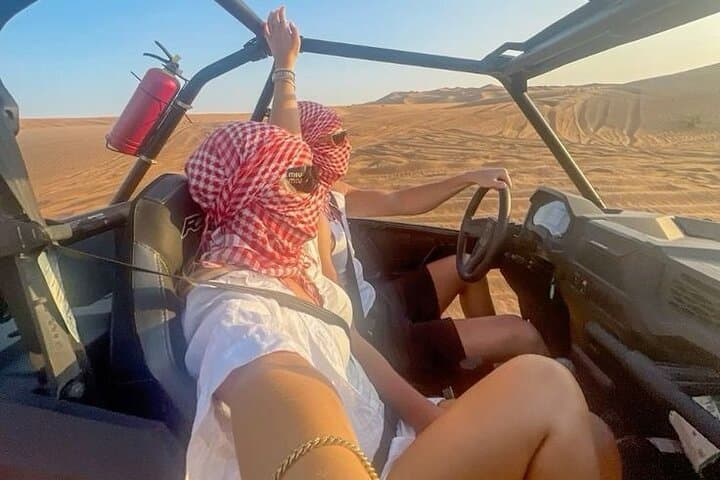
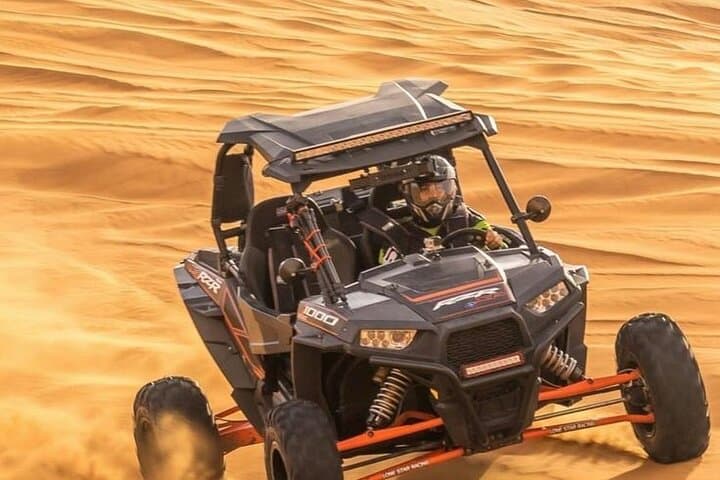
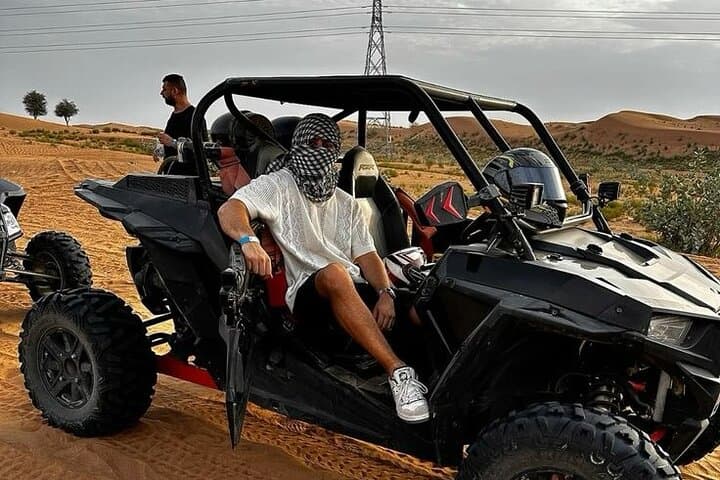
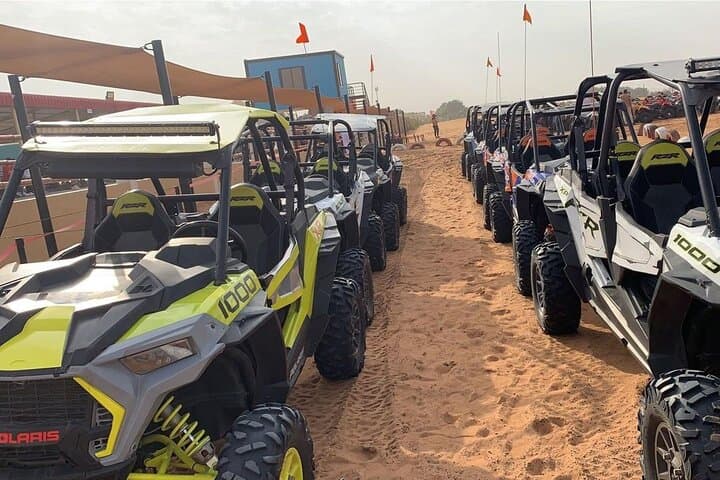
You roll out of an air-conditioned transfer and into a wide, sun-washed room of sand: the red dunes of Lahbab. The wind has carved ridges that catch light like bronze waves; under your wheels the surface alternates between packed trails and soft, yielding lips that make the buggy lean and bite. Driving here feels immediate — throttle, countersteer, read the slope — while the city’s skyline sits a distant whisper on the horizon.
Verified experiences and guided adventures in the surrounding area.
Operated by ALMUHAREB TOURISM · Dubai, Dubai
You roll out of an air-conditioned transfer and into a wide, sun-washed room of sand: the red dunes of Lahbab. The wind has carved ridges that catch light like bronze waves; under your wheels the surface alternates between packed trails and soft, yielding lips that make the buggy lean and bite. Driving here feels immediate — throttle, countersteer, read the slope — while the city’s skyline sits a distant whisper on the horizon.
Geology here is simple and ancient: wind-blown sand from the interior Arabian Plain that accumulates into long transverse dunes, oxidized to that deep red tone by iron minerals. Culturally the dunes belong to a Bedouin landscape of guidance and survival; modern desert adventures sit alongside traditional camel routes and seasonal grazing patterns. Local operators balance spectacle with safety, running short training sessions and designated riding corridors to protect both riders and fragile dune vegetation.
For first-timers, pay attention during the briefing: tire pressures, throttle control, and how to recover from a stall on a slope. Expect about three to four hours including transfers; most of that time is on open dunes with photo stops and short practice loops. Protective eyewear and a closed-toe shoe make the ride far more comfortable; sunscreen and hydration are non-negotiable. Choose morning or late-afternoon windows to avoid peak heat and to get the best light for photos.
Practical note — operators usually provide helmets and transfers; confirm pick-up details and medical restrictions in advance. Respect flagged routes, follow the guide’s signals, and keep speeds appropriate to visibility: the desert rewards careful attention and punishes complacency.
moderate.
3–4 hours.
Light physical effort required — mostly seated driving with short walks; suitable for casual fitness but not for those with severe back/heart issues.
No — brief training is provided and routes are set for mixed abilities, but be honest about driving skill when booking.
Operators typically restrict very young children and advise against participation for pregnant guests or those with serious back or heart conditions; confirm policies when booking.
Yes — helmets and basic safety equipment are standard; you should still bring sunglasses and closed-toe shoes.
Pick-up times vary by hotel location but transfers commonly range 30–60 minutes each way from central Dubai; check pickup details on confirmation.
The Lahbab dunes formed over millennia as wind transported sand from inland plains; the area sits within landscapes long used by Bedouin for seasonal movement and grazing.
Stick to marked routes and operator corridors — dune flora recovers slowly and off-track driving accelerates erosion and habitat loss.
ALMUHAREB TOURISM operates guided outdoor trips and adventures with an emphasis on safety, stewardship, and memorable experiences.
You roll out of an air-conditioned transfer and into a wide, sun-washed room of sand: the red dunes of Lahbab. The wind has carved ridges that catch light like bronze waves; under your wheels the surface alternates between packed trails and soft, yielding lips that make the buggy lean and bite. Driving here feels immediate — throttle, countersteer, read the slope — while the city’s skyline sits a distant whisper on the horizon.
You roll out of an air-conditioned transfer and into a wide, sun-washed room of sand: the red dunes of Lahbab. The wind has carved ridges that catch light like bronze waves; under your wheels the surface alternates between packed trails and soft, yielding lips that make the buggy lean and bite. Driving here feels immediate — throttle, countersteer, read the slope — while the city’s skyline sits a distant whisper on the horizon.
Geology here is simple and ancient: wind-blown sand from the interior Arabian Plain that accumulates into long transverse dunes, oxidized to that deep red tone by iron minerals. Culturally the dunes belong to a Bedouin landscape of guidance and survival; modern desert adventures sit alongside traditional camel routes and seasonal grazing patterns. Local operators balance spectacle with safety, running short training sessions and designated riding corridors to protect both riders and fragile dune vegetation.
For first-timers, pay attention during the briefing: tire pressures, throttle control, and how to recover from a stall on a slope. Expect about three to four hours including transfers; most of that time is on open dunes with photo stops and short practice loops. Protective eyewear and a closed-toe shoe make the ride far more comfortable; sunscreen and hydration are non-negotiable. Choose morning or late-afternoon windows to avoid peak heat and to get the best light for photos.
Practical note — operators usually provide helmets and transfers; confirm pick-up details and medical restrictions in advance. Respect flagged routes, follow the guide’s signals, and keep speeds appropriate to visibility: the desert rewards careful attention and punishes complacency.