THE ADVENTURE COLLECTIVE® · Independent discovery and booking for outdoor travel

A full-day trek into north Bali’s Sekumpul valley leads to a cluster of waterfalls fed by volcanic streams and framed by traditional villages. Expect steep steps, river crossings, and several rewarding viewpoints—and bring sturdy shoes and rain protection.
A full-day trek into north Bali’s Sekumpul valley leads to a cluster of waterfalls fed by volcanic streams and framed by traditional villages. Expect steep steps, river crossings, and several rewarding viewpoints—and bring sturdy shoes and rain protection.
Mist hangs low in the ravine as you step off the track and the first fall calls out — a spray of cold water daring you down a narrow stair of stone. Walking into Sekumpul’s valley feels like entering a working landscape: village houses, rice terraces, and fruit trees line the approach before the jungle tightens and the path drops toward the streams.
Verified experiences and guided adventures in the surrounding area.
Operated by Bersinar Bali Tour · Singaraja, Bali
Mist hangs low in the ravine as you step off the track and the first fall calls out — a spray of cold water daring you down a narrow stair of stone. Walking into Sekumpul’s valley feels like entering a working landscape: village houses, rice terraces, and fruit trees line the approach before the jungle tightens and the path drops toward the streams.
This part of north Bali sits on volcanic terrain cut by rivers that feed multiple cascades; the waterfalls themselves pour from high volcanic benches formed by ancient lava flows and stream erosion. The trek passes small Balinese villages where centuries-old customs and temple shrines remain visible, and local guides often point out temple stones and family compounds that mark the area’s living culture.
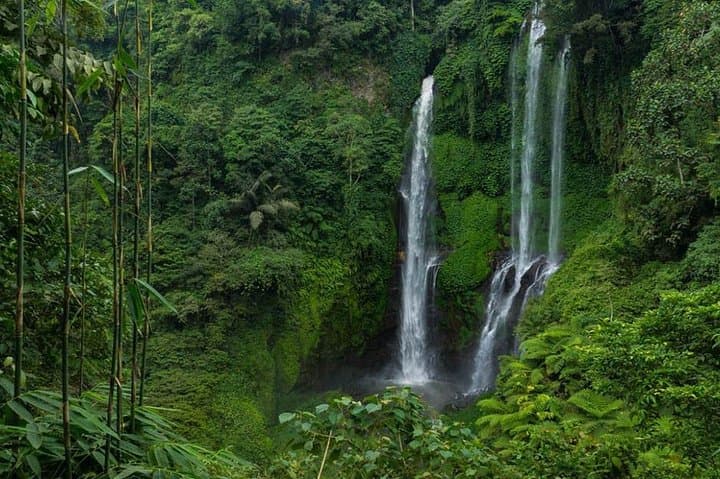
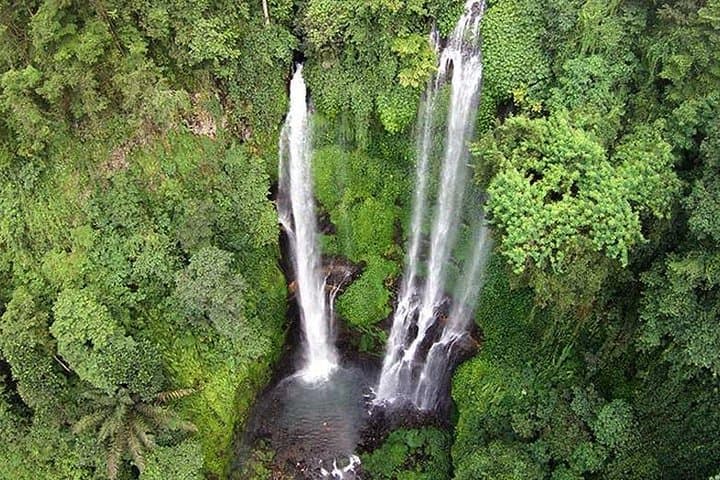
Expect uneven steps, short steep stretches, and river crossings that can be slippery after rain. On a clear day the falls unfurl in stages — several narrower torrents and at least two main, plunge-rich drops — giving you viewpoints that change with each turn. Wildlife is subtle: kingfishers flash on the river; macaques watch from the trees.
Practical guidance: allow a full day (6–8 hours) including transport from coastal towns, wear closed shoes with grip, bring a quick-dry layer and waterproof phone protection, and time your visit for morning light and lower crowds. Respect village life: ask before photographing people and pack out trash. The trail rewards steady pacing and basic footwork with cooling swims and views that feel earned rather than handed over.
moderate.
6–8 hours.
Moderate—able to walk uneven, sometimes steep terrain for several hours and handle short river crossings
The full tour day runs about 6–8 hours including transport; the walking section to viewpoints and pools typically takes 1–3 hours round trip depending on pace and stops.
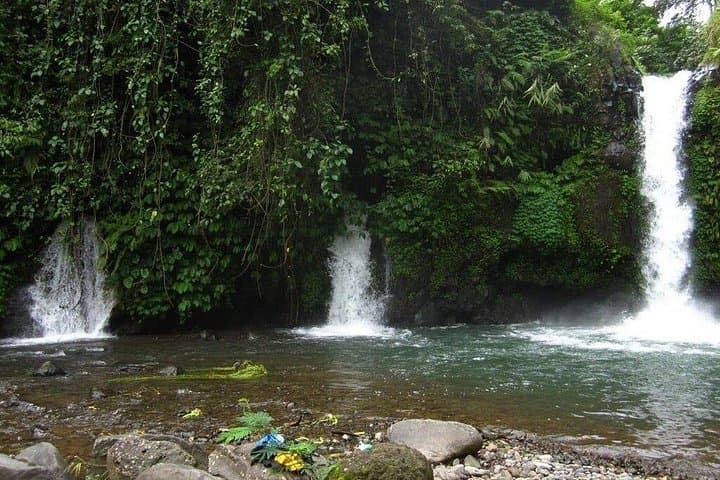
Yes—there are swimming pools below several cascades, but currents and depth vary; check local guide advice before entering and avoid swimming after heavy rain.
Many commercial day tours include entry fees and a local guide; check inclusions — some operators list ‘all entry tickets’ and a local guide in the package.
The trail has steep, uneven sections and river crossings, so it’s not ideal for mobility-limited guests; children can do it with supervision but expect challenging footing.
The settlements around Sekumpul retain Balinese village structures and small temples; the area’s river routes historically connected upland communities and rice fields.
Stay on marked paths and carry out all trash; the trail sees erosion from heavy foot traffic and wet-season flows, so minimizing impact helps preserve access and local livelihoods.
Bersinar Bali Tour operates guided outdoor trips and adventures with an emphasis on safety, stewardship, and memorable experiences.
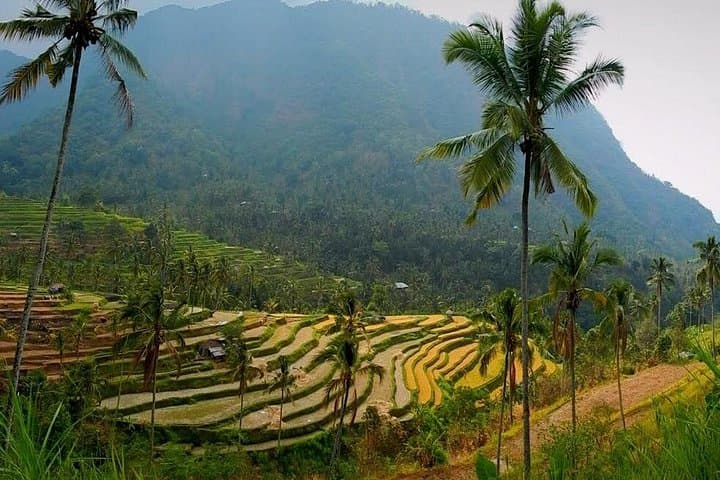
Mist hangs low in the ravine as you step off the track and the first fall calls out — a spray of cold water daring you down a narrow stair of stone. Walking into Sekumpul’s valley feels like entering a working landscape: village houses, rice terraces, and fruit trees line the approach before the jungle tightens and the path drops toward the streams.
Mist hangs low in the ravine as you step off the track and the first fall calls out — a spray of cold water daring you down a narrow stair of stone. Walking into Sekumpul’s valley feels like entering a working landscape: village houses, rice terraces, and fruit trees line the approach before the jungle tightens and the path drops toward the streams.
This part of north Bali sits on volcanic terrain cut by rivers that feed multiple cascades; the waterfalls themselves pour from high volcanic benches formed by ancient lava flows and stream erosion. The trek passes small Balinese villages where centuries-old customs and temple shrines remain visible, and local guides often point out temple stones and family compounds that mark the area’s living culture.
Expect uneven steps, short steep stretches, and river crossings that can be slippery after rain. On a clear day the falls unfurl in stages — several narrower torrents and at least two main, plunge-rich drops — giving you viewpoints that change with each turn. Wildlife is subtle: kingfishers flash on the river; macaques watch from the trees.
Practical guidance: allow a full day (6–8 hours) including transport from coastal towns, wear closed shoes with grip, bring a quick-dry layer and waterproof phone protection, and time your visit for morning light and lower crowds. Respect village life: ask before photographing people and pack out trash. The trail rewards steady pacing and basic footwork with cooling swims and views that feel earned rather than handed over.