THE ADVENTURE COLLECTIVE® · Independent discovery and booking for outdoor travel

Spend a day from Kuala Lumpur among Sekinchan’s wide paddy fields and the seafood stalls of Bagan. This easy, photo-friendly tour mixes rice-industry insight with coastal village life and birdwatching on Malaysia’s west coast.
Spend a day from Kuala Lumpur among Sekinchan’s wide paddy fields and the seafood stalls of Bagan. This easy, photo-friendly tour mixes rice-industry insight with coastal village life and birdwatching on Malaysia’s west coast.
A low, salty wind carries the smell of mud and young rice as the road into Sekinchan opens onto slabs of green and gold. From the minivan window the paddy fields stretch in geometric panels, irrigation channels cutting clean lines through the crop. Fishermen's wooden jetties punctuate the coastline near Bagan, where nets are hauled and conversation rides the tide.
Verified experiences and guided adventures in the surrounding area.
Operated by RIYAS TRAVEL MALAYSIA · Sekinchan, Selangor
A low, salty wind carries the smell of mud and young rice as the road into Sekinchan opens onto slabs of green and gold. From the minivan window the paddy fields stretch in geometric panels, irrigation channels cutting clean lines through the crop. Fishermen's wooden jetties punctuate the coastline near Bagan, where nets are hauled and conversation rides the tide.
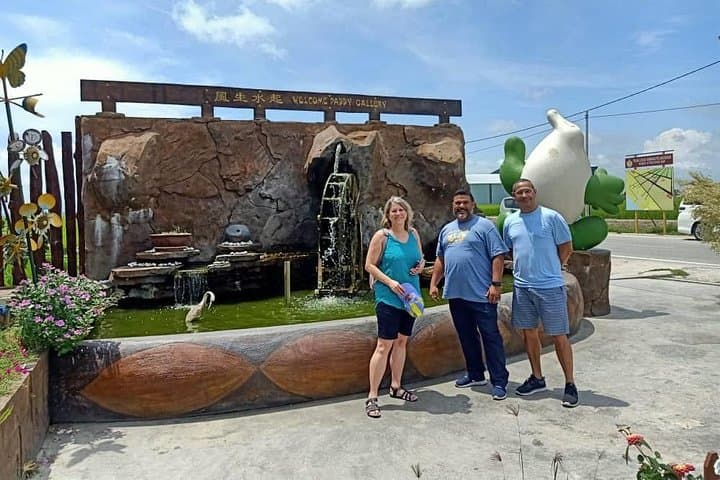
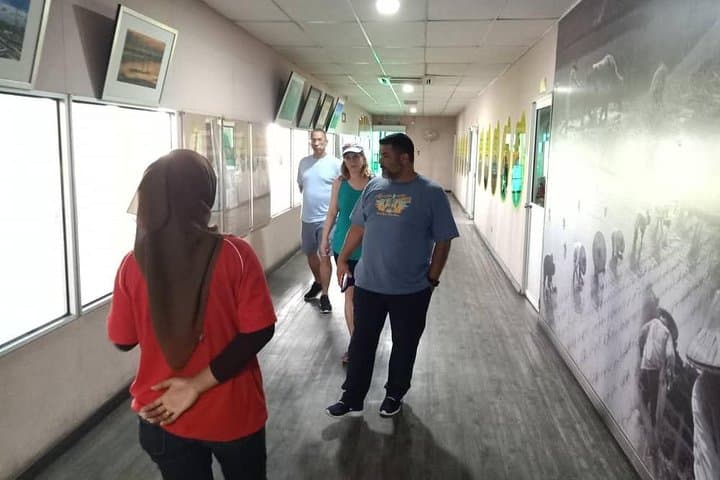
Sekinchan's landscape is shaped by its twin industries: rice and the sea. The paddy processing factory and small museum explain local milling techniques that have modernized over a century, while the fishing village preserves an older rhythm—daily catches, drying racks, and family-run seafood stalls. Geologically the coast is flat, reclaimed wetlands and estuarine mudflats that provide staging grounds for migratory birds such as herons and egrets.
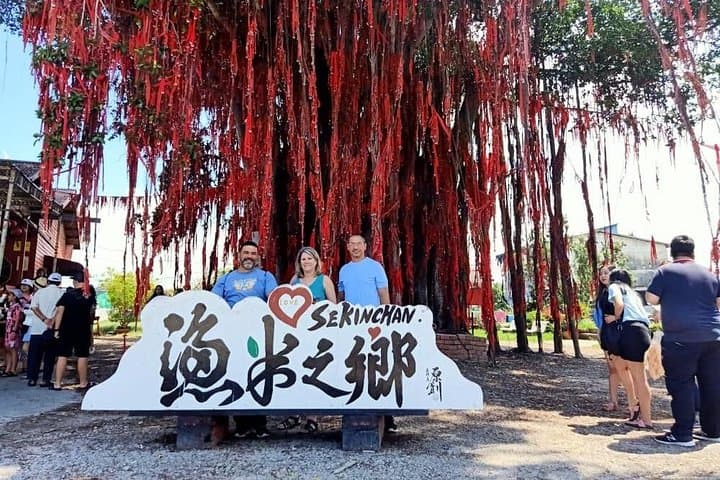
Expect easy walking on paved roads and farm tracks, punctuated by photo stops at temple gates, a wishing tree by Redang Beach, and the working harbor at Bagan. The tour is practical: a driver-guide handles logistics, leaving visitors to sample seafood, learn rice-processing basics, and scan mudflats for shorebirds.
Plan sun protection and insect repellent; showers are possible year-round. Mornings offer softer light for photos and cooler air; late afternoons bring long shadows across terraces. Respect private farmland, keep to pathways, and buy from local stalls to support the community. This is a gentle, sensory day that pairs straightforward logistics with quiet discoveries—rice fields that change color with the season, and a fishing village that still runs on tide and trade.
easy.
6 hours.
Light fitness required—comfortable for most travelers able to walk short distances and climb low steps.
The itinerary runs about six hours total, typically as a day trip with hotel pickup and drop-off in Kuala Lumpur.
Yes—this is an easy-paced tour with minimal walking; however, infants should sit on an adult’s lap during vehicle transport.
You can often spot herons, egrets, and shorebirds on the mudflats—timing and tides affect visibility, so mornings are usually best.
A local seafood lunch at Bagan is commonly included on similar tours, but confirm at booking; cash is handy for souvenirs and extra snacks.
Sekinchan developed around rice cultivation and coastal fishing; the paddy-processing factory reflects the area's modern agricultural role while Bagan preserves longstanding fishing traditions.
The coastal mudflats are important stopover habitat for migratory birds—minimize disturbance, avoid driving on raised bunds, and support local vendors who follow sustainable fishing practices.
RIYAS TRAVEL MALAYSIA operates guided outdoor trips and adventures with an emphasis on safety, stewardship, and memorable experiences.
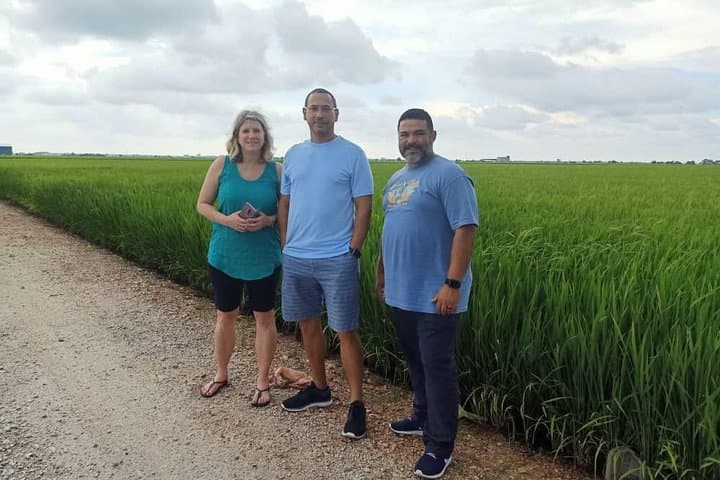
A low, salty wind carries the smell of mud and young rice as the road into Sekinchan opens onto slabs of green and gold. From the minivan window the paddy fields stretch in geometric panels, irrigation channels cutting clean lines through the crop. Fishermen's wooden jetties punctuate the coastline near Bagan, where nets are hauled and conversation rides the tide.
A low, salty wind carries the smell of mud and young rice as the road into Sekinchan opens onto slabs of green and gold. From the minivan window the paddy fields stretch in geometric panels, irrigation channels cutting clean lines through the crop. Fishermen's wooden jetties punctuate the coastline near Bagan, where nets are hauled and conversation rides the tide.
Sekinchan's landscape is shaped by its twin industries: rice and the sea. The paddy processing factory and small museum explain local milling techniques that have modernized over a century, while the fishing village preserves an older rhythm—daily catches, drying racks, and family-run seafood stalls. Geologically the coast is flat, reclaimed wetlands and estuarine mudflats that provide staging grounds for migratory birds such as herons and egrets.
Expect easy walking on paved roads and farm tracks, punctuated by photo stops at temple gates, a wishing tree by Redang Beach, and the working harbor at Bagan. The tour is practical: a driver-guide handles logistics, leaving visitors to sample seafood, learn rice-processing basics, and scan mudflats for shorebirds.
Plan sun protection and insect repellent; showers are possible year-round. Mornings offer softer light for photos and cooler air; late afternoons bring long shadows across terraces. Respect private farmland, keep to pathways, and buy from local stalls to support the community. This is a gentle, sensory day that pairs straightforward logistics with quiet discoveries—rice fields that change color with the season, and a fishing village that still runs on tide and trade.