THE ADVENTURE COLLECTIVE® · Independent discovery and booking for outdoor travel

Sail a classic dahabiya between Luxor and Aswan aboard the Sekhmet Dahabiya: a five-day blend of intimate river travel, guided temple visits, and modern-luxury cabins. Expect leisurely days ashore, nightly dinners on deck, and uninterrupted views of Nile life.
Sail a classic dahabiya between Luxor and Aswan aboard the Sekhmet Dahabiya: a five-day blend of intimate river travel, guided temple visits, and modern-luxury cabins. Expect leisurely days ashore, nightly dinners on deck, and uninterrupted views of Nile life.
You step aboard as the Nile breathes warm air across the deck: the Sekhmet Dahabiya glides away from Luxor, teak underfoot and white interiors punctuated by carved wood and parquet floors. The river narrows and widens like a moving map—palm fringes, agricultural strips, and the slow geometry of cliff faces passing in the amber light. Crew members move with practiced calm; an Egyptologist waits to unpack the stories that line each temple you'll visit.
Verified experiences and guided adventures in the surrounding area.
Operated by Alfa Tours Egypt · Luxor, Luxor Governorate
You step aboard as the Nile breathes warm air across the deck: the Sekhmet Dahabiya glides away from Luxor, teak underfoot and white interiors punctuated by carved wood and parquet floors. The river narrows and widens like a moving map—palm fringes, agricultural strips, and the slow geometry of cliff faces passing in the amber light. Crew members move with practiced calm; an Egyptologist waits to unpack the stories that line each temple you'll visit.
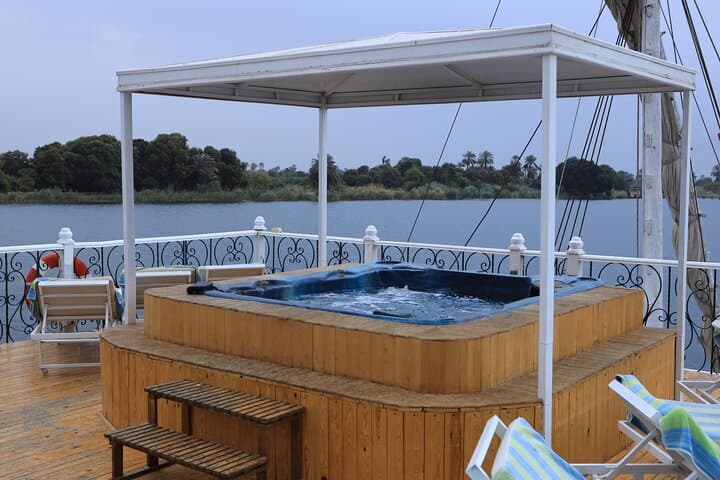
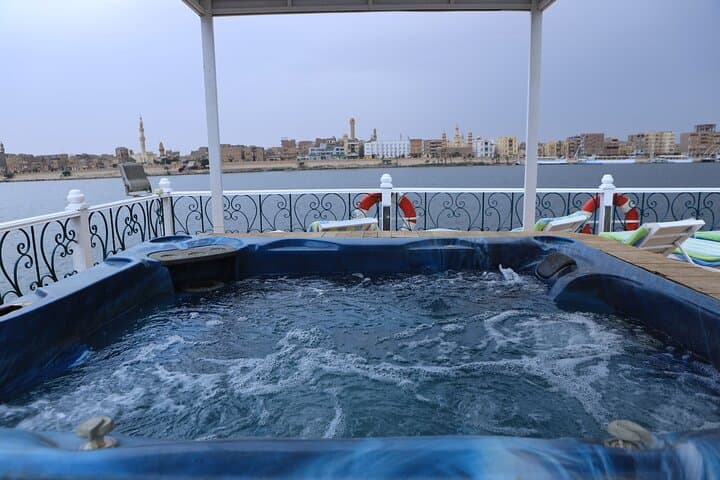
This route threads Egypt’s living history: Karnak’s columned halls built of sandstone, the cliff-cut tombs of the Theban Necropolis, and Kom Ombo’s dual temple carved for Sobek and Haroeris. Geologically the journey traces the Nile’s soft sediment plains contrasted with Nubian sandstone outcrops; culturally it crosses Pharaonic sites and Nubian villages with distinct crafts and cuisine. The dahabiya itself continues a 19th-century tradition of intimate, sail-style river travel—reimagined here with modern amenities like air conditioning, a sun deck Jacuzzi, and on-board dining.
Practically, expect gentle days ashore with guided visits, evenings on deck, and multi-course meals included. Cabins have en‑suite bathrooms and minibars; Wi‑Fi is provided but can be intermittent. Mornings are best for balloon or temple visits; afternoons invite naps or short walks along quiet village banks. Bring sun protection, comfortable walking shoes for uneven temple floors, motion-sickness remedies if you’re sensitive, and modest clothing for religious sites. Allow time for tipping and small-amount cash for markets or local guides. The pace is unhurried—this cruise is designed for discovery, not speed—making it ideal for travelers who want history and comfort on the water.
easy.
5 days.
Suitable for travelers in average health who can manage repeated short walks, stairs and moderate heat; not physically strenuous.
All meals (breakfast, lunch, dinner) during the cruise are included; beverages vary by operator—expect complimentary welcome drinks and buffet-style meals, with some drinks charged separately.
Excursions are generally low-impact—walking on uneven surfaces and steps at temples and tombs—but they require basic mobility and the ability to climb stairs; early mornings can be brisk after dawn activities like balloon flights.
Yes—tipping is customary for crew, guides, and drivers. Many travelers budget per day per passenger for the crew and additional amounts for guides and boat assistance.
Most visitors to Egypt need a visa—obtain one before travel or on arrival depending on nationality; check current health recommendations for routine vaccinations and any travel advisories before departure.
Dahabiyas were 19th-century sailboats favored by travelers exploring the Nile; modern versions like Sekhmet preserve the slow, intimate pace while visiting sites built over millennia.
Many archaeological sites are fragile—follow guide instructions, avoid touching reliefs, and reduce single-use plastics aboard to minimize environmental and cultural impact.
Alfa Tours Egypt operates guided outdoor trips and adventures with an emphasis on safety, stewardship, and memorable experiences.
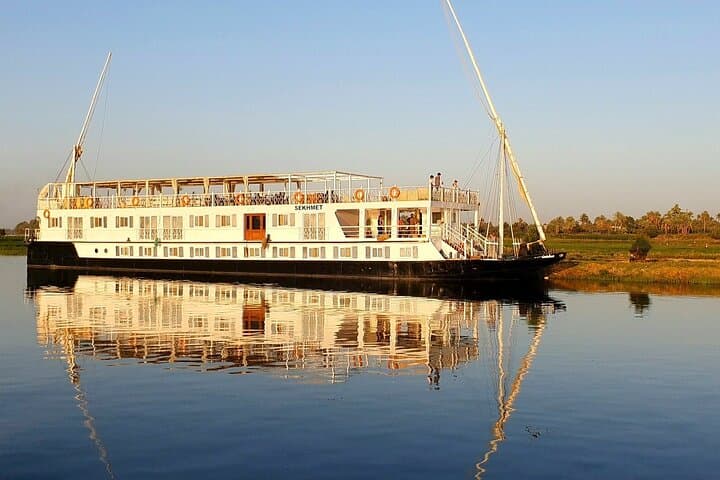
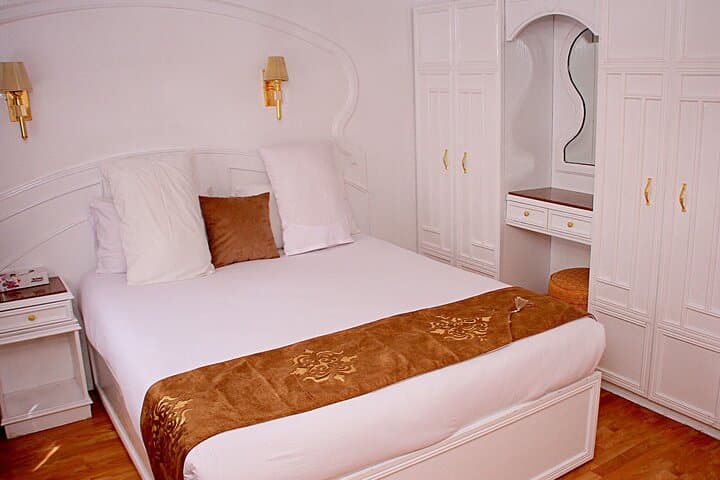
You step aboard as the Nile breathes warm air across the deck: the Sekhmet Dahabiya glides away from Luxor, teak underfoot and white interiors punctuated by carved wood and parquet floors. The river narrows and widens like a moving map—palm fringes, agricultural strips, and the slow geometry of cliff faces passing in the amber light. Crew members move with practiced calm; an Egyptologist waits to unpack the stories that line each temple you'll visit.
You step aboard as the Nile breathes warm air across the deck: the Sekhmet Dahabiya glides away from Luxor, teak underfoot and white interiors punctuated by carved wood and parquet floors. The river narrows and widens like a moving map—palm fringes, agricultural strips, and the slow geometry of cliff faces passing in the amber light. Crew members move with practiced calm; an Egyptologist waits to unpack the stories that line each temple you'll visit.
This route threads Egypt’s living history: Karnak’s columned halls built of sandstone, the cliff-cut tombs of the Theban Necropolis, and Kom Ombo’s dual temple carved for Sobek and Haroeris. Geologically the journey traces the Nile’s soft sediment plains contrasted with Nubian sandstone outcrops; culturally it crosses Pharaonic sites and Nubian villages with distinct crafts and cuisine. The dahabiya itself continues a 19th-century tradition of intimate, sail-style river travel—reimagined here with modern amenities like air conditioning, a sun deck Jacuzzi, and on-board dining.
Practically, expect gentle days ashore with guided visits, evenings on deck, and multi-course meals included. Cabins have en‑suite bathrooms and minibars; Wi‑Fi is provided but can be intermittent. Mornings are best for balloon or temple visits; afternoons invite naps or short walks along quiet village banks. Bring sun protection, comfortable walking shoes for uneven temple floors, motion-sickness remedies if you’re sensitive, and modest clothing for religious sites. Allow time for tipping and small-amount cash for markets or local guides. The pace is unhurried—this cruise is designed for discovery, not speed—making it ideal for travelers who want history and comfort on the water.