THE ADVENTURE COLLECTIVE® · Independent discovery and booking for outdoor travel

Glide on a Segway through Hancock Park to where asphalt still bubbles up and the bones of Pleistocene giants lie exposed. This guided tour combines easy riding, hands‑on science, and close views of active excavation sites in the heart of Los Angeles.
Glide on a Segway through Hancock Park to where asphalt still bubbles up and the bones of Pleistocene giants lie exposed. This guided tour combines easy riding, hands‑on science, and close views of active excavation sites in the heart of Los Angeles.
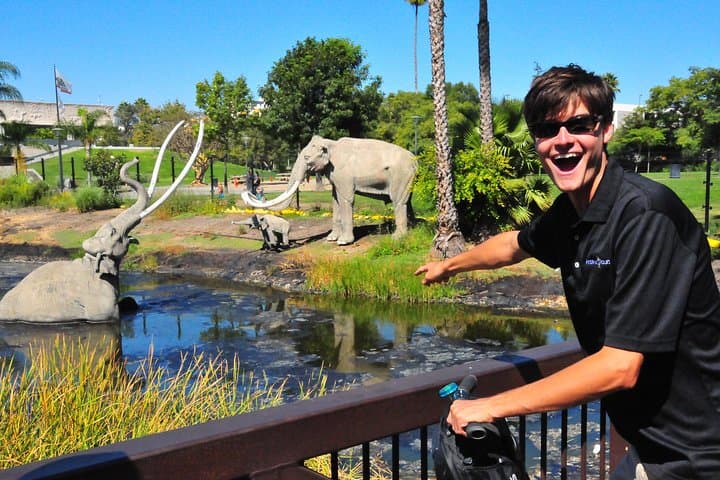
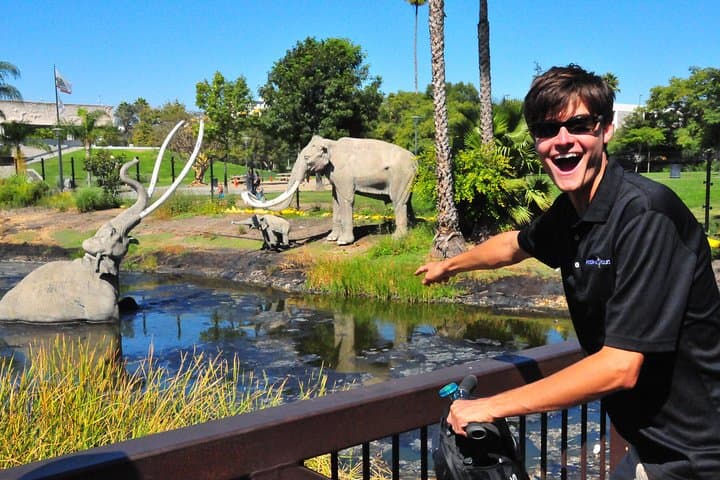
You roll out from the Marsel Plaza onto Wilshire Boulevard and the city noise fades as the cool, sticky scent of ancient asphalt pulls your attention. Hovering on a Segway, you glide past the bubbling pools where natural tar has been seeping for tens of thousands of years — a slow, dark surface that keeps pressing the past up against the present.
Verified experiences and guided adventures in the surrounding area.
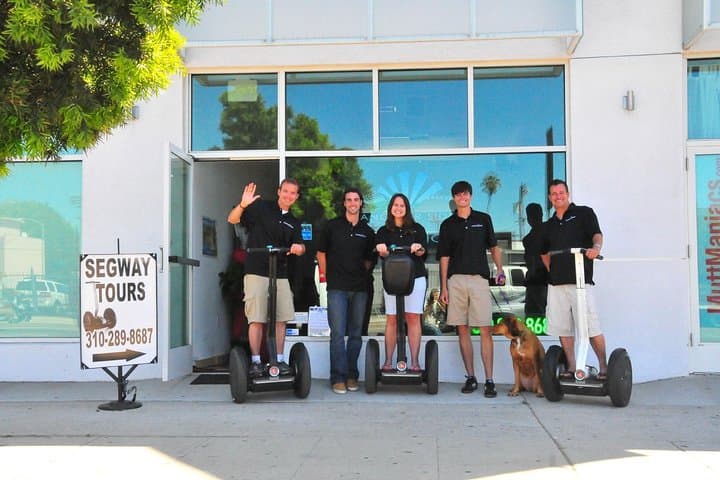
Operated by Another Side Of Los Angeles Tours · Los Angeles, California
You roll out from the Marsel Plaza onto Wilshire Boulevard and the city noise fades as the cool, sticky scent of ancient asphalt pulls your attention. Hovering on a Segway, you glide past the bubbling pools where natural tar has been seeping for tens of thousands of years — a slow, dark surface that keeps pressing the past up against the present.
La Brea Tar Pits sit in Hancock Park amid the Miracle Mile, where 20th‑century excavations revealed Pleistocene megafauna: mammoths, mastodons, saber‑tooth cats and giant ground sloths. Geologically these are natural asphalt seeps; bones are preserved in place rather than fossilized, giving scientists an unusually complete record of life around late Ice Age Los Angeles.
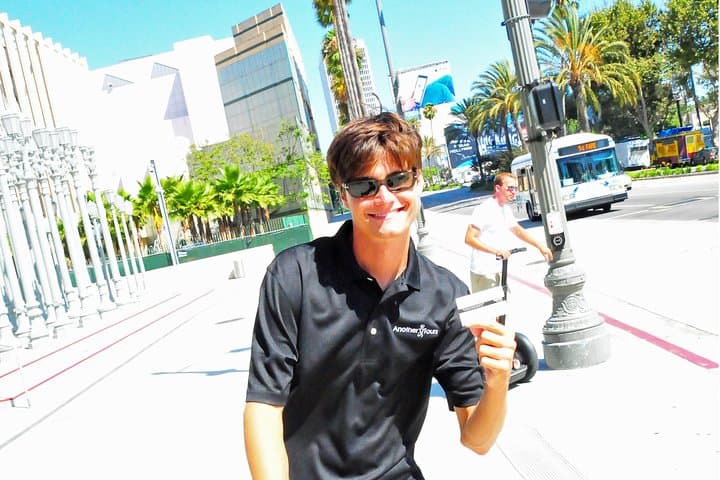
Culturally the site intersects urban Los Angeles: it neighbors LACMA and the Petersen, a reminder that deep time can be found in a dense, modern city. Guides on the Segway tour combine hands‑on narration with stops at active pits and excavation viewing areas, making complex science readable and immediate.
Practical guidance: tours run about two hours and begin with a 30‑minute orientation. Minimum age is 8; maximum rider weight 250 lb. Helmets and bottled water are provided. Expect some short walks and a few stairs; the route stays largely on paved paths and park roads. Wear closed‑toe shoes, sunscreen and comfortable layers; morning slots are cooler and less crowded. Bring a camera and arrive 15 minutes early to sign waivers. The site is active research territory — keep to the paths, respect roped areas, and listen to your guide. This is a quick, low‑impact way to move through one of North America’s most extraordinary paleontological sites.
easy.
2 hours.
You should be able to stand and balance for about two hours and climb a few stairs; no special fitness required.
No — the Segway tour focuses on the park and tar pits; admission to LACMA or other museums is separate.
Minimum age is 8 (8–15 must be accompanied by a parent). Maximum rider weight is 250 lbs (113 kg).
Yes — a 30‑minute Segway orientation and safety equipment including helmets are provided before the ride.
No — this tour is not recommended for pregnant travelers or people with spinal or severe back issues.
Rancho La Brea’s asphalt seeps have trapped animals for tens of thousands of years; extensive 20th‑century and ongoing excavations at Hancock Park continue to reshape understanding of Pleistocene life.
The site is an active research and conservation area managed with roped excavations and museum programs — stay on paths and follow guide instructions to limit impact.
Another Side Of Los Angeles Tours operates guided outdoor trips and adventures with an emphasis on safety, stewardship, and memorable experiences.
You roll out from the Marsel Plaza onto Wilshire Boulevard and the city noise fades as the cool, sticky scent of ancient asphalt pulls your attention. Hovering on a Segway, you glide past the bubbling pools where natural tar has been seeping for tens of thousands of years — a slow, dark surface that keeps pressing the past up against the present.
You roll out from the Marsel Plaza onto Wilshire Boulevard and the city noise fades as the cool, sticky scent of ancient asphalt pulls your attention. Hovering on a Segway, you glide past the bubbling pools where natural tar has been seeping for tens of thousands of years — a slow, dark surface that keeps pressing the past up against the present.
La Brea Tar Pits sit in Hancock Park amid the Miracle Mile, where 20th‑century excavations revealed Pleistocene megafauna: mammoths, mastodons, saber‑tooth cats and giant ground sloths. Geologically these are natural asphalt seeps; bones are preserved in place rather than fossilized, giving scientists an unusually complete record of life around late Ice Age Los Angeles.
Culturally the site intersects urban Los Angeles: it neighbors LACMA and the Petersen, a reminder that deep time can be found in a dense, modern city. Guides on the Segway tour combine hands‑on narration with stops at active pits and excavation viewing areas, making complex science readable and immediate.
Practical guidance: tours run about two hours and begin with a 30‑minute orientation. Minimum age is 8; maximum rider weight 250 lb. Helmets and bottled water are provided. Expect some short walks and a few stairs; the route stays largely on paved paths and park roads. Wear closed‑toe shoes, sunscreen and comfortable layers; morning slots are cooler and less crowded. Bring a camera and arrive 15 minutes early to sign waivers. The site is active research territory — keep to the paths, respect roped areas, and listen to your guide. This is a quick, low‑impact way to move through one of North America’s most extraordinary paleontological sites.