THE ADVENTURE COLLECTIVE® · Independent discovery and booking for outdoor travel

Explore the full base of Uluru by Segway with a guided circuit that blends Anangu cultural stories, geology and desert scenery. Perfect for riders comfortable standing and balancing, this 2–3 hour experience is best at dawn or late afternoon.
Explore the full base of Uluru by Segway with a guided circuit that blends Anangu cultural stories, geology and desert scenery. Perfect for riders comfortable standing and balancing, this 2–3 hour experience is best at dawn or late afternoon.
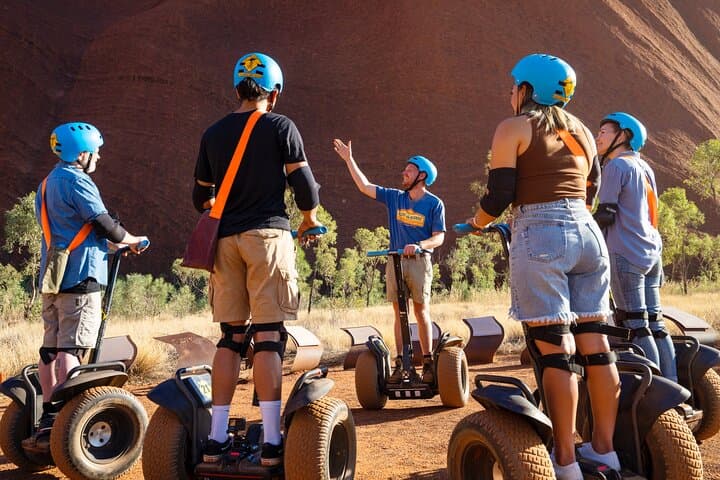
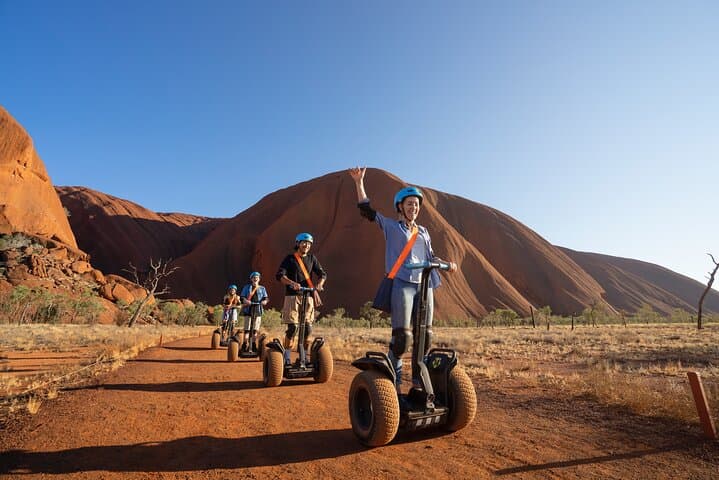
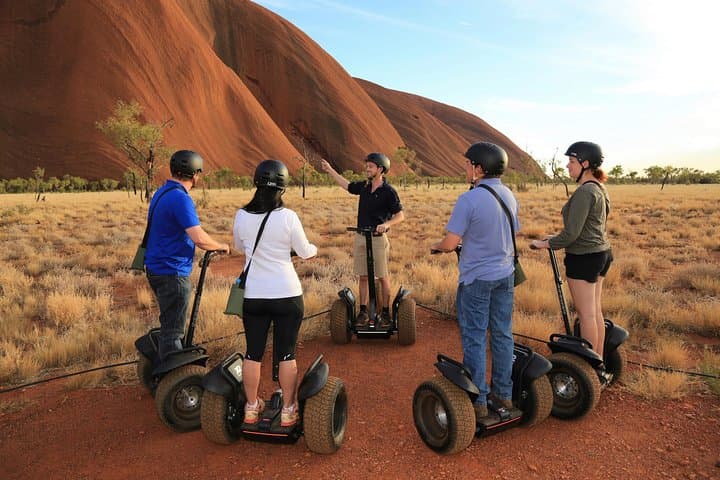
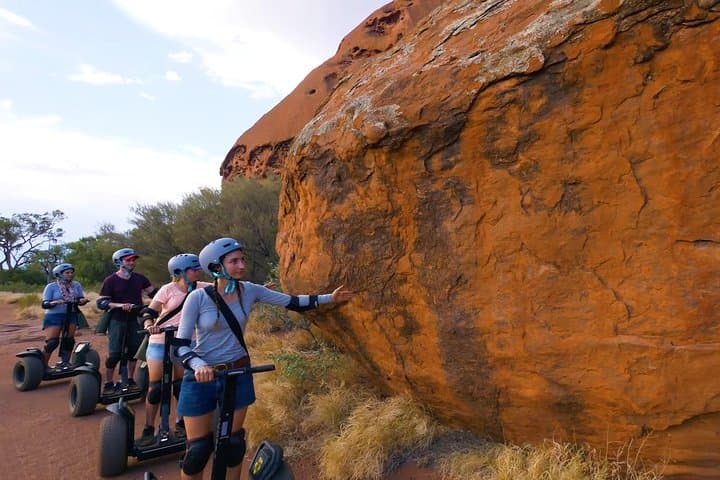
You arrive before sunrise, the low light softening Uluru’s iron-red face into deep ochre. The Segway hums under your feet as a guide fits a helmet and offers a quick balance check; the red dust tastes faintly metallic on the wind. Riding slowly, you trace the full base of the monolith—each turn revealing caves, waterholes and rock art panels, while the guide threads in creation stories and geological context.
Verified experiences and guided adventures in the surrounding area.
Operated by Uluru Segway Tours · Yulara, Northern Territory
You arrive before sunrise, the low light softening Uluru’s iron-red face into deep ochre. The Segway hums under your feet as a guide fits a helmet and offers a quick balance check; the red dust tastes faintly metallic on the wind. Riding slowly, you trace the full base of the monolith—each turn revealing caves, waterholes and rock art panels, while the guide threads in creation stories and geological context.
Uluru is an ancient inselberg of coarse-grained arkose sandstone, lifted and exposed over hundreds of millions of years. For the Anangu people it’s living country—many sites around the base are sacred and interpretation focuses on cultural meaning as well as natural history. The surrounding desert plain hosts resilient shrubs, ghost gums and seasonal wildflowers if rains have come.
Practically, a guided Segway circuit covers the entire circumference in about 2–3 hours with stops for interpretation and photos. Riders must meet weight and fitness limits, stand for extended periods and be comfortable with balance. Guides supply helmets and pads; groups are small so questions and cultural context are part of the ride.
Plan for heat: mornings or late afternoons are best to avoid midday sun. Bring at least 1–2 liters of water, closed-toe shoes and sun protection. Respect access rules—certain areas are off-limits and climbing Uluru is closed. Expect smooth compact dirt paths with occasional loose gravel; the pace is relaxed but steady, and the landscape keeps changing—shadows crawling up the rock, birds quartering the sky, the desert daring you to slow down and look closer.
moderate.
2–3 hours.
Moderate fitness required: able to stand unaided for periods, reasonable balance and basic leg strength.
Children 12 and older who meet the weight (45–117kg) and can stand unaided are eligible but must be accompanied by an adult.
No—climbing Uluru is permanently closed; the tour focuses on the base and cultural interpretation around permitted areas.
Tours are canceled in severe heat, high winds or storms; check the operator’s cancellation policy and reschedule or receive a refund if canceled 24+ hours before departure.
Yes—professional guides supply helmets, knee and elbow pads and brief Segway training before departure.
Uluru has been home to the Anangu people for tens of thousands of years and contains numerous creation-story sites; European surveyors documented it as Ayers Rock in the 19th century.
Uluru–Kata Tjuta National Park is jointly managed by Anangu and Parks Australia; stick to paths, avoid disturbing flora, and follow cultural signage to reduce impacts.
Uluru Segway Tours operates guided outdoor trips and adventures with an emphasis on safety, stewardship, and memorable experiences.
You arrive before sunrise, the low light softening Uluru’s iron-red face into deep ochre. The Segway hums under your feet as a guide fits a helmet and offers a quick balance check; the red dust tastes faintly metallic on the wind. Riding slowly, you trace the full base of the monolith—each turn revealing caves, waterholes and rock art panels, while the guide threads in creation stories and geological context.
You arrive before sunrise, the low light softening Uluru’s iron-red face into deep ochre. The Segway hums under your feet as a guide fits a helmet and offers a quick balance check; the red dust tastes faintly metallic on the wind. Riding slowly, you trace the full base of the monolith—each turn revealing caves, waterholes and rock art panels, while the guide threads in creation stories and geological context.
Uluru is an ancient inselberg of coarse-grained arkose sandstone, lifted and exposed over hundreds of millions of years. For the Anangu people it’s living country—many sites around the base are sacred and interpretation focuses on cultural meaning as well as natural history. The surrounding desert plain hosts resilient shrubs, ghost gums and seasonal wildflowers if rains have come.
Practically, a guided Segway circuit covers the entire circumference in about 2–3 hours with stops for interpretation and photos. Riders must meet weight and fitness limits, stand for extended periods and be comfortable with balance. Guides supply helmets and pads; groups are small so questions and cultural context are part of the ride.
Plan for heat: mornings or late afternoons are best to avoid midday sun. Bring at least 1–2 liters of water, closed-toe shoes and sun protection. Respect access rules—certain areas are off-limits and climbing Uluru is closed. Expect smooth compact dirt paths with occasional loose gravel; the pace is relaxed but steady, and the landscape keeps changing—shadows crawling up the rock, birds quartering the sky, the desert daring you to slow down and look closer.