THE ADVENTURE COLLECTIVE® · Independent discovery and booking for outdoor travel

Step off a Madrid coach and into Segovia’s compact medieval center, where a Roman aqueduct, a fairy-tale Alcázar and a soaring Gothic cathedral define an 8‑hour cultural loop. This full-day trip packs history, panoramic views and regional cuisine into a practical, walkable itinerary.
Step off a Madrid coach and into Segovia’s compact medieval center, where a Roman aqueduct, a fairy-tale Alcázar and a soaring Gothic cathedral define an 8‑hour cultural loop. This full-day trip packs history, panoramic views and regional cuisine into a practical, walkable itinerary.
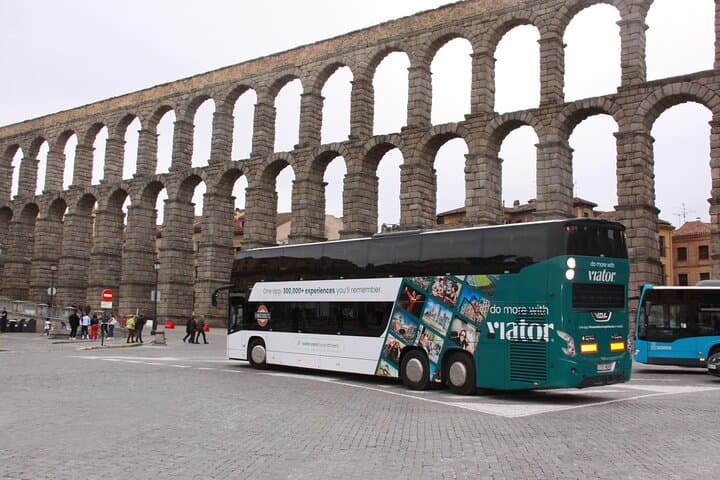
Morning light hits the Roman aqueduct first, its granite arches cutting a steady silhouette against the clear Castilian sky. Travelers arrive from Madrid by luxury coach, stepping into a city where medieval streets narrow and the air smells faintly of wood smoke and roast meat.
Verified experiences and guided adventures in the surrounding area.
Operated by Fun and Tickets · Segovia, Castile and León
Morning light hits the Roman aqueduct first, its granite arches cutting a steady silhouette against the clear Castilian sky. Travelers arrive from Madrid by luxury coach, stepping into a city where medieval streets narrow and the air smells faintly of wood smoke and roast meat.
Segovia’s aqueduct is a feat of Roman engineering — two tiers of unmortared granite blocks that still carry water in memory if not in function. The town grew around this lifeline; later generations left layers of Gothic stone in the cathedral and fortified elegance in the Alcázar, whose towers sit above the confluence of the Eresma and Clamores rivers like an old captain watching the valley.
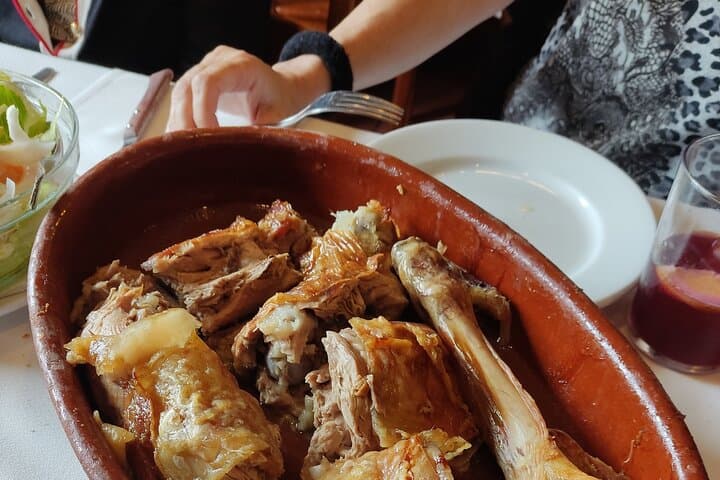
Culturally, Segovia has a clear culinary identity: cochinillo (roast suckling pig) remains a regional signature and a communal way to slow down a meal. Architecturally the city blends Roman practicalism with medieval defensive design and later Gothic refinement — an open-air chronology lesson.
Practical guidance: expect an organized 8‑hour day with roughly 1.5 hours of guided walking in the historic center, paved cobbles underfoot and short stair sections at the cathedral and Alcázar. Bring supportive shoes, a lightweight jacket for tower breezes, and cash for small restaurants. Tours typically include bilingual guides and transport but not entrance fees to some monuments; check the itinerary beforehand.
Timing tip: arrive early and stand at Plaza del Azoguejo for unobstructed views of the aqueduct. Respect signage around fragile monuments — these stones have carried centuries of footsteps and need them conserved for the next ones.
easy.
8 hours.
Suitable for most fitness levels; involves 1–2 hours of walking on cobbles and short stair climbs.
The standard tour offers guided visits outside and nearby viewpoints; entrance fees to interior sites like the Alcázar and some cathedral areas may not be included—confirm before booking.
Expect about 1.5 to 2 hours of guided walking around the historic center, with additional time for viewpoints and optional free time for lunch.
Yes—this is rated easy and stroller-accessible in parts, but cobbled streets and stairs may be challenging for very young children or those with limited mobility.
Departure is from Calle de San Bernardo, 7 (commercial gallery) with check-in typically 20 minutes before the listed departure time.
The aqueduct dates back to the Roman Empire and anchored Segovia’s growth; the Alcázar evolved as a royal fortress and later a royal palace that influenced Spanish military architecture.
High visitor numbers can stress narrow streets and fragile stone; follow signage, avoid touching archaeological surfaces, and support local businesses that invest in preservation.
Fun and Tickets operates guided outdoor trips and adventures with an emphasis on safety, stewardship, and memorable experiences.


Morning light hits the Roman aqueduct first, its granite arches cutting a steady silhouette against the clear Castilian sky. Travelers arrive from Madrid by luxury coach, stepping into a city where medieval streets narrow and the air smells faintly of wood smoke and roast meat.
Morning light hits the Roman aqueduct first, its granite arches cutting a steady silhouette against the clear Castilian sky. Travelers arrive from Madrid by luxury coach, stepping into a city where medieval streets narrow and the air smells faintly of wood smoke and roast meat.
Segovia’s aqueduct is a feat of Roman engineering — two tiers of unmortared granite blocks that still carry water in memory if not in function. The town grew around this lifeline; later generations left layers of Gothic stone in the cathedral and fortified elegance in the Alcázar, whose towers sit above the confluence of the Eresma and Clamores rivers like an old captain watching the valley.
Culturally, Segovia has a clear culinary identity: cochinillo (roast suckling pig) remains a regional signature and a communal way to slow down a meal. Architecturally the city blends Roman practicalism with medieval defensive design and later Gothic refinement — an open-air chronology lesson.
Practical guidance: expect an organized 8‑hour day with roughly 1.5 hours of guided walking in the historic center, paved cobbles underfoot and short stair sections at the cathedral and Alcázar. Bring supportive shoes, a lightweight jacket for tower breezes, and cash for small restaurants. Tours typically include bilingual guides and transport but not entrance fees to some monuments; check the itinerary beforehand.
Timing tip: arrive early and stand at Plaza del Azoguejo for unobstructed views of the aqueduct. Respect signage around fragile monuments — these stones have carried centuries of footsteps and need them conserved for the next ones.