THE ADVENTURE COLLECTIVE® · Independent discovery and booking for outdoor travel

Combine a hands‑on taste of rural Sicily with a visit to the ancient Temple of Segesta and a dip in natural thermal baths. This half‑day guided tour mixes archaeology, seasonal harvests, and Slow Food bites on quiet country tracks.
Combine a hands‑on taste of rural Sicily with a visit to the ancient Temple of Segesta and a dip in natural thermal baths. This half‑day guided tour mixes archaeology, seasonal harvests, and Slow Food bites on quiet country tracks.
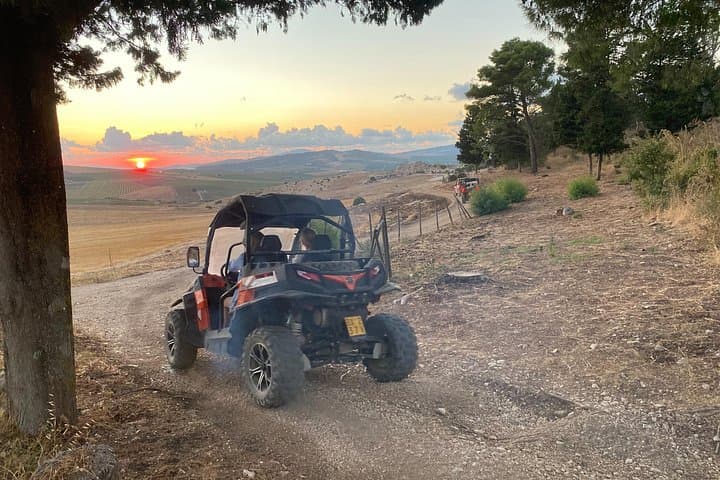
You arrive along a low, sun-browned ridge where wind sculpts the grass and the old temple sits like a deliberate thought on the horizon. The guide leads the group across vineyard tracks; the air smells of citrus and warm stone, and the scrubland seems to nudge visitors toward the ruins and the steaming pools beyond.
Verified experiences and guided adventures in the surrounding area.
Operated by Segesta Tour 4x4 · Calatafimi-Segesta, Sicily
You arrive along a low, sun-browned ridge where wind sculpts the grass and the old temple sits like a deliberate thought on the horizon. The guide leads the group across vineyard tracks; the air smells of citrus and warm stone, and the scrubland seems to nudge visitors toward the ruins and the steaming pools beyond.
Segesta’s Doric temple dates to the 5th century BCE, built by indigenous Elymians and left remarkably intact by centuries of Sicilian earthquakes and human hands. The limestone plateau that hosts it was carved from marine deposits and uplifted by tectonic motion, giving the temple its dramatic, solitary profile above rolling farmland.
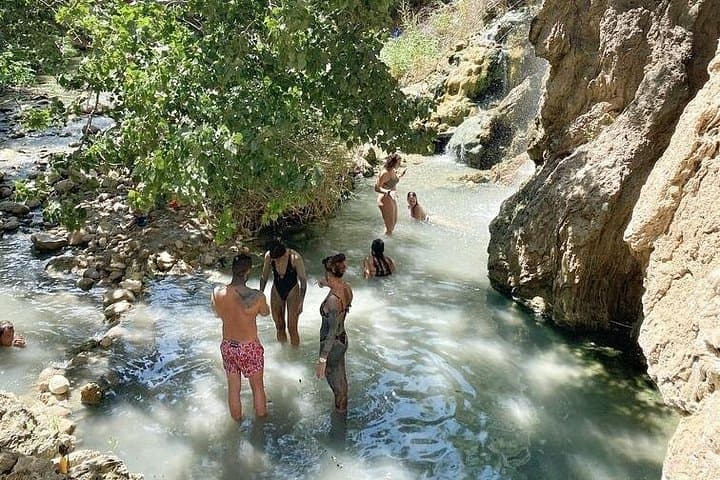
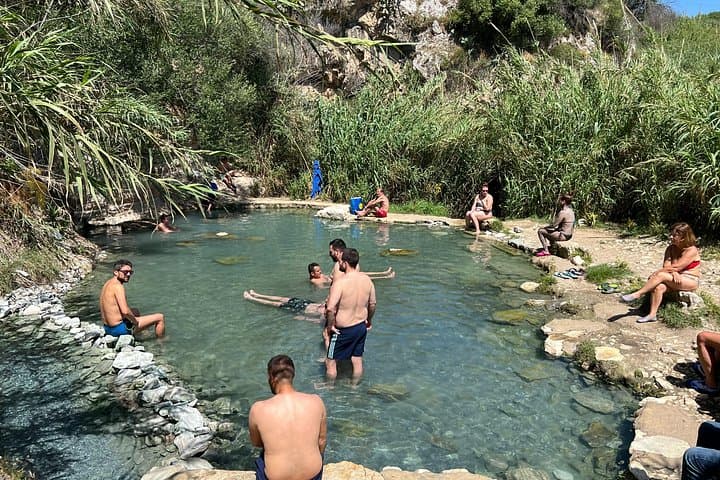
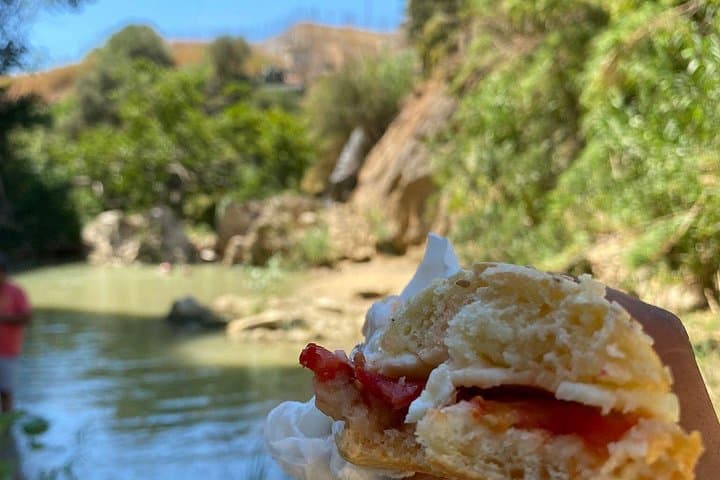
This tour ties that history to present-day rural life: guests pick seasonal fruit in small plots, taste pane cunzato and sweets at a Slow Food stop, and soak in natural thermal pools fed by subterranean faults. The springs have drawn locals for generations; their warmth is mineral-rich and quietly insistent.
Practical notes: the route combines short walks on farm tracks and compacted paths—expect uneven ground, some gentle slopes, and a few stone steps at vantage points. Wear sturdy walking shoes, bring swimwear and a towel for the baths, and plan the visit in the cooler hours to avoid midday heat in summer. Hydrate before the soak — thermal waters can be dehydrating — and leave no trace when exploring the countryside. The pace is relaxed, the scenes cinematic, and the experience pairs Sicilian archaeology with tactile, local food culture in under four hours.
easy.
3–4 hours.
Suitable for most fitness levels; able to walk short, uneven stretches and step over rough ground.
Admission to the archaeological site is not included with some tour packages; check the booking details — the guide often provides logistics and transport close to the site.
Some operators offer buggies or short vehicle transfers across farm terrain to reduce walking; confirm availability at booking if mobility is a concern.
Yes — they are natural springs with local management; they are generally safe but not recommended for pregnant travelers or those with certain medical conditions (consult your guide).
Local snacks like pane cunzato, sweets, and bottled water are typically included; additional purchases at Slow Food stops may require cash.
Segesta was a major Elymian center; its well-preserved Doric temple was never completed for cult use yet remained a dramatic marker of ancient presence on the island.
Visitors are encouraged to stay on marked paths, avoid picking wild plants beyond designated harvest areas, and support local Slow Food producers who prioritize traditional, low-impact farming.
Segesta Tour 4x4 operates guided outdoor trips and adventures with an emphasis on safety, stewardship, and memorable experiences.
You arrive along a low, sun-browned ridge where wind sculpts the grass and the old temple sits like a deliberate thought on the horizon. The guide leads the group across vineyard tracks; the air smells of citrus and warm stone, and the scrubland seems to nudge visitors toward the ruins and the steaming pools beyond.
You arrive along a low, sun-browned ridge where wind sculpts the grass and the old temple sits like a deliberate thought on the horizon. The guide leads the group across vineyard tracks; the air smells of citrus and warm stone, and the scrubland seems to nudge visitors toward the ruins and the steaming pools beyond.
Segesta’s Doric temple dates to the 5th century BCE, built by indigenous Elymians and left remarkably intact by centuries of Sicilian earthquakes and human hands. The limestone plateau that hosts it was carved from marine deposits and uplifted by tectonic motion, giving the temple its dramatic, solitary profile above rolling farmland.
This tour ties that history to present-day rural life: guests pick seasonal fruit in small plots, taste pane cunzato and sweets at a Slow Food stop, and soak in natural thermal pools fed by subterranean faults. The springs have drawn locals for generations; their warmth is mineral-rich and quietly insistent.
Practical notes: the route combines short walks on farm tracks and compacted paths—expect uneven ground, some gentle slopes, and a few stone steps at vantage points. Wear sturdy walking shoes, bring swimwear and a towel for the baths, and plan the visit in the cooler hours to avoid midday heat in summer. Hydrate before the soak — thermal waters can be dehydrating — and leave no trace when exploring the countryside. The pace is relaxed, the scenes cinematic, and the experience pairs Sicilian archaeology with tactile, local food culture in under four hours.