THE ADVENTURE COLLECTIVE® · Independent discovery and booking for outdoor travel

Ride fast elevators into the sky at Shanghai’s Oriental Pearl Tower. This practical guide explains what to expect from the observation decks, timing tips, and essential ticketing rules before you go.
Ride fast elevators into the sky at Shanghai’s Oriental Pearl Tower. This practical guide explains what to expect from the observation decks, timing tips, and essential ticketing rules before you go.
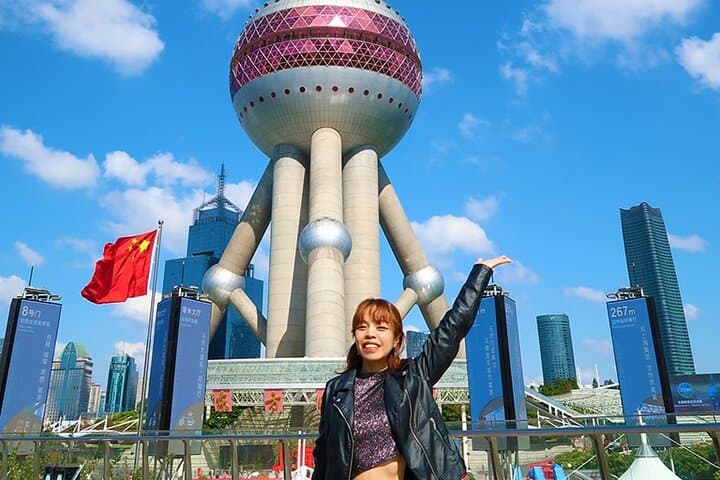
Fog and neon trade places over the Huangpu River as you step into the shadow of the Oriental Pearl Tower — a sphere-studded mast that pushes Shanghai’s skyline into focus. From the low, glassy promenade the tower rises in geometric stages; elevators hum, visitors lift their heads, and the river dares you to choose a viewpoint.
Verified experiences and guided adventures in the surrounding area.
Operated by FawSha Travels · Shanghai, Shanghai
Fog and neon trade places over the Huangpu River as you step into the shadow of the Oriental Pearl Tower — a sphere-studded mast that pushes Shanghai’s skyline into focus. From the low, glassy promenade the tower rises in geometric stages; elevators hum, visitors lift their heads, and the river dares you to choose a viewpoint.
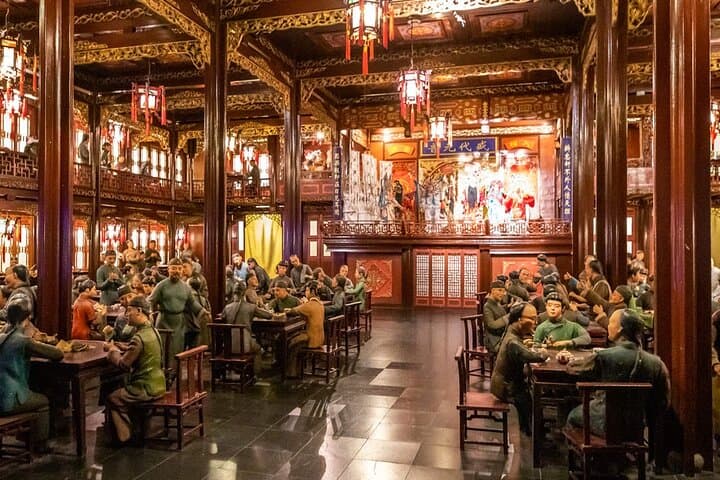
Opened in the early 1990s as part of Pudong’s rapid development, the tower marks the shift from industrial riverfront to gleaming financial district. Built on the Yangtze’s alluvial plain, the tower’s concrete and steel silhouette contrasts with the sweep of the river and the reclaimed land dots of Lujiazui. Inside, exhibitions chart Shanghai’s urban growth while the higher observation galleries celebrate the city’s vertical ambition.
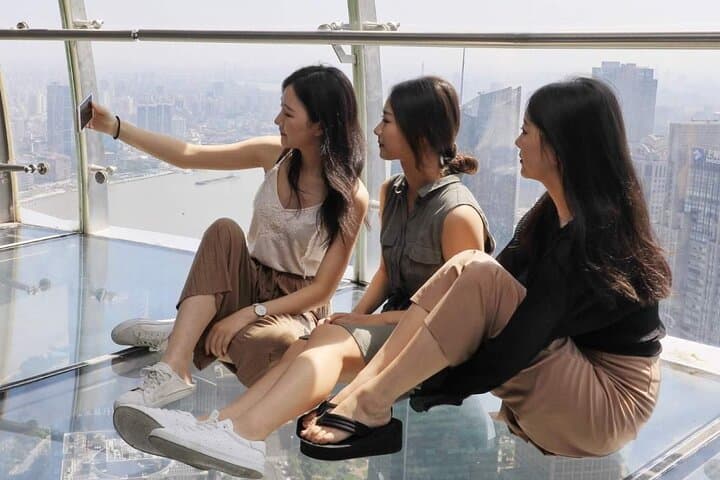
Expect several viewing layers — from the 63-meter main floor to a higher transparent suspended gallery around 259–263 meters — plus immersive displays and a space-culture exhibition. The fully transparent corridor offers vertigo-inducing panoramas of the Bund and the Huangpu; the 78-meter multimedia show adds an audio-visual pulse to the visit.
Practical guidance: this is a timed-entry attraction — arrive within your booked window with ID; tickets are mobile- or paper-friendly and non-refundable. Peak visits are at sunset and evening when the skyline lights up; weekday mornings are quieter. Security screening is standard; minimal physical exertion is required, but the glass gallery can be unsettling if you’re sensitive to heights. Public transit serves Lujiazui directly — use it to avoid traffic and help keep the riverfront manageable for all visitors.
easy.
1–2 hours.
Suitable for all fitness levels; mainly standing and elevator access.
Yes — bring the ID that matches the booking name; mobile or paper vouchers are accepted but personal identification must match.
Tickets are time-specific and non-refundable; arrivals must be within the booked time window to be valid.
The main viewing floors and most exhibition areas are elevator-accessible, but check with staff for assistance with specific galleries or outdoor platforms.
Children below 99 cm are free; those between 100–130 cm may need child pricing per site rules — confirm during booking and bring ID for verification.
Completed during Pudong’s boom in the early 1990s, the Oriental Pearl Tower became an emblem of Shanghai’s shift into a global financial center and a tourist icon for modern China.
Visitors are encouraged to use public transit to reduce traffic and emissions around Lujiazui; the tower and local authorities run programs to limit light pollution and promote river cleanup efforts.
FawSha Travels operates guided outdoor trips and adventures with an emphasis on safety, stewardship, and memorable experiences.
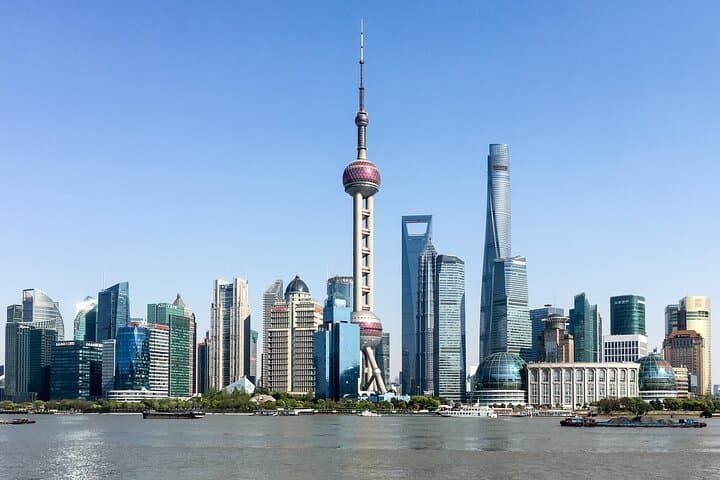
Fog and neon trade places over the Huangpu River as you step into the shadow of the Oriental Pearl Tower — a sphere-studded mast that pushes Shanghai’s skyline into focus. From the low, glassy promenade the tower rises in geometric stages; elevators hum, visitors lift their heads, and the river dares you to choose a viewpoint.
Fog and neon trade places over the Huangpu River as you step into the shadow of the Oriental Pearl Tower — a sphere-studded mast that pushes Shanghai’s skyline into focus. From the low, glassy promenade the tower rises in geometric stages; elevators hum, visitors lift their heads, and the river dares you to choose a viewpoint.
Opened in the early 1990s as part of Pudong’s rapid development, the tower marks the shift from industrial riverfront to gleaming financial district. Built on the Yangtze’s alluvial plain, the tower’s concrete and steel silhouette contrasts with the sweep of the river and the reclaimed land dots of Lujiazui. Inside, exhibitions chart Shanghai’s urban growth while the higher observation galleries celebrate the city’s vertical ambition.
Expect several viewing layers — from the 63-meter main floor to a higher transparent suspended gallery around 259–263 meters — plus immersive displays and a space-culture exhibition. The fully transparent corridor offers vertigo-inducing panoramas of the Bund and the Huangpu; the 78-meter multimedia show adds an audio-visual pulse to the visit.
Practical guidance: this is a timed-entry attraction — arrive within your booked window with ID; tickets are mobile- or paper-friendly and non-refundable. Peak visits are at sunset and evening when the skyline lights up; weekday mornings are quieter. Security screening is standard; minimal physical exertion is required, but the glass gallery can be unsettling if you’re sensitive to heights. Public transit serves Lujiazui directly — use it to avoid traffic and help keep the riverfront manageable for all visitors.