THE ADVENTURE COLLECTIVE® · Independent discovery and booking for outdoor travel

Walk the medina with an official guide and move from bustling souks to serene palaces in four hours. Learn local history, see Saadian tombs and Ben Youssef, and get practical tips for timing, footwear and bargaining.
Walk the medina with an official guide and move from bustling souks to serene palaces in four hours. Learn local history, see Saadian tombs and Ben Youssef, and get practical tips for timing, footwear and bargaining.
The guide steps through the medina gate and the city opens around you—stone alleys that bend light and shadow, the call of vendors threading through tile courtyards, and the smell of spices pressing at the edges of the narrow streets. This four‑hour official walking tour moves at a steady pace, guiding visitors from the sprawling souks to the carved cedar and stucco of Madrasa Ben Youssef, across the quiet tomb chambers of the Saadian necropolis and into the ornate rooms of the Bahia Palace.
Verified experiences and guided adventures in the surrounding area.
Operated by Gboo Morocco Tours · Marrakech, Marrakesh-Safi
The guide steps through the medina gate and the city opens around you—stone alleys that bend light and shadow, the call of vendors threading through tile courtyards, and the smell of spices pressing at the edges of the narrow streets. This four‑hour official walking tour moves at a steady pace, guiding visitors from the sprawling souks to the carved cedar and stucco of Madrasa Ben Youssef, across the quiet tomb chambers of the Saadian necropolis and into the ornate rooms of the Bahia Palace.
Marrakech is an imperial city with layers: founded in the 11th century and shaped by Almoravid, Saadian and later dynasties, its monuments show stonework, cedar wood carving, and zellij tile from different eras. The medina’s compact layout developed around trade routes; souks still trade leather, metalwork and spices in alleyways that once saw camel caravans. Cultural etiquette matters here—modest dress, asking before photographing locals and steady bargaining in the markets.
Practical guidance: wear comfortable, broken‑in walking shoes—the medina’s cobbles and occasional steps demand traction. Bring a refillable water bottle and sun protection; spring and fall offer the most pleasant temperatures, while summer is hot midday. Start in the morning to avoid crowds and to see markets setting up; allow time at each site for photography and brief rests. The tour is wheelchair accessible in many areas but expect some uneven ground.
This experience pairs sensory discovery with historical context—ideal for travelers who want local insight, clear logistics and the freedom to explore the medina on foot.
easy.
4 hours.
Suitable for average fitness; mostly walking on flat to slightly uneven surfaces with pauses at attractions.
The tour description includes admission to the listed sites (Bahia Palace, Saadian Tombs, Ben Youssef) but confirm at booking what is covered.
Guides are officially provided in English, Spanish and French; verify language availability when booking.
Many areas and transportation options are wheelchair accessible, though some alleyways and historic sites have uneven surfaces—check specifics with the operator.
Yes—infants are allowed but must sit on laps; strollers can be used but narrow passages may require folding and carrying.
Marrakech was founded in the 11th century as an imperial capital; many surviving landmarks reflect Saadian and later 19th‑century additions, like the Bahia Palace.
The medina is a living urban fabric—travelers should stick to marked paths, avoid touching delicate tilework, and support local artisans to help sustain traditional crafts.
Gboo Morocco Tours operates guided outdoor trips and adventures with an emphasis on safety, stewardship, and memorable experiences.
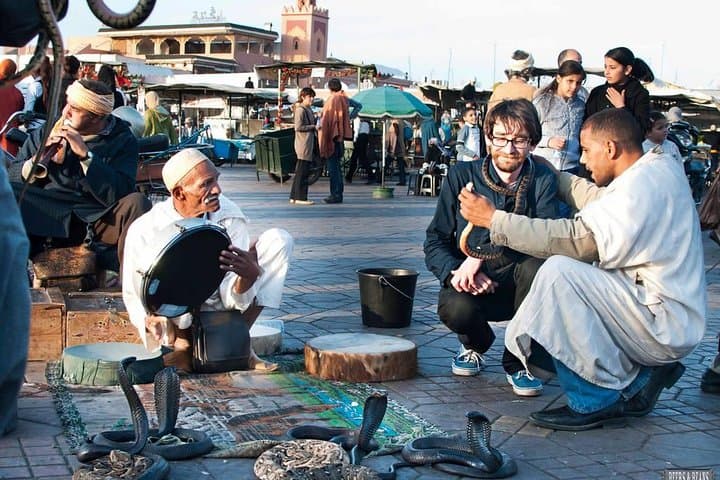
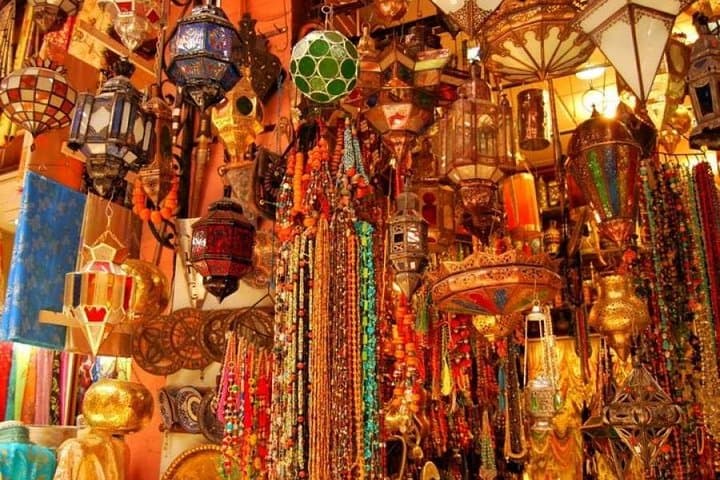

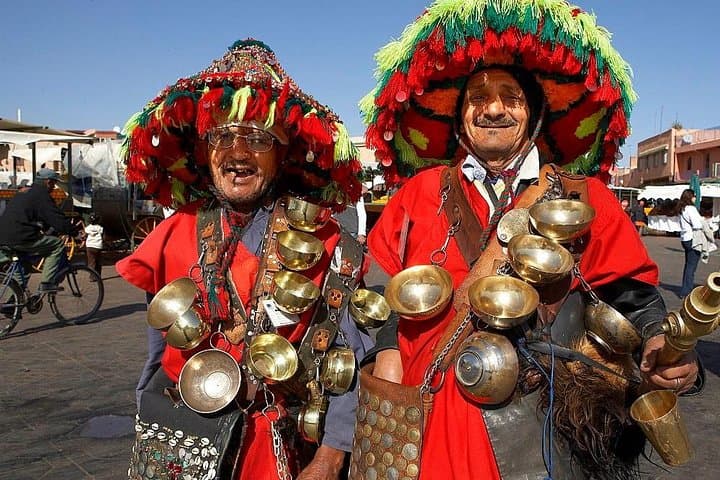
The guide steps through the medina gate and the city opens around you—stone alleys that bend light and shadow, the call of vendors threading through tile courtyards, and the smell of spices pressing at the edges of the narrow streets. This four‑hour official walking tour moves at a steady pace, guiding visitors from the sprawling souks to the carved cedar and stucco of Madrasa Ben Youssef, across the quiet tomb chambers of the Saadian necropolis and into the ornate rooms of the Bahia Palace.
The guide steps through the medina gate and the city opens around you—stone alleys that bend light and shadow, the call of vendors threading through tile courtyards, and the smell of spices pressing at the edges of the narrow streets. This four‑hour official walking tour moves at a steady pace, guiding visitors from the sprawling souks to the carved cedar and stucco of Madrasa Ben Youssef, across the quiet tomb chambers of the Saadian necropolis and into the ornate rooms of the Bahia Palace.
Marrakech is an imperial city with layers: founded in the 11th century and shaped by Almoravid, Saadian and later dynasties, its monuments show stonework, cedar wood carving, and zellij tile from different eras. The medina’s compact layout developed around trade routes; souks still trade leather, metalwork and spices in alleyways that once saw camel caravans. Cultural etiquette matters here—modest dress, asking before photographing locals and steady bargaining in the markets.
Practical guidance: wear comfortable, broken‑in walking shoes—the medina’s cobbles and occasional steps demand traction. Bring a refillable water bottle and sun protection; spring and fall offer the most pleasant temperatures, while summer is hot midday. Start in the morning to avoid crowds and to see markets setting up; allow time at each site for photography and brief rests. The tour is wheelchair accessible in many areas but expect some uneven ground.
This experience pairs sensory discovery with historical context—ideal for travelers who want local insight, clear logistics and the freedom to explore the medina on foot.