THE ADVENTURE COLLECTIVE® · Independent discovery and booking for outdoor travel

Rise above Cape Canaveral on a private 45‑minute helicopter tour that threads beaches, estuaries and the Shuttle Landing Facility. Expect close coastal views, possible dolphin and manatee sightings, and a runway pass by NASA’s historic landing strip.
Rise above Cape Canaveral on a private 45‑minute helicopter tour that threads beaches, estuaries and the Shuttle Landing Facility. Expect close coastal views, possible dolphin and manatee sightings, and a runway pass by NASA’s historic landing strip.
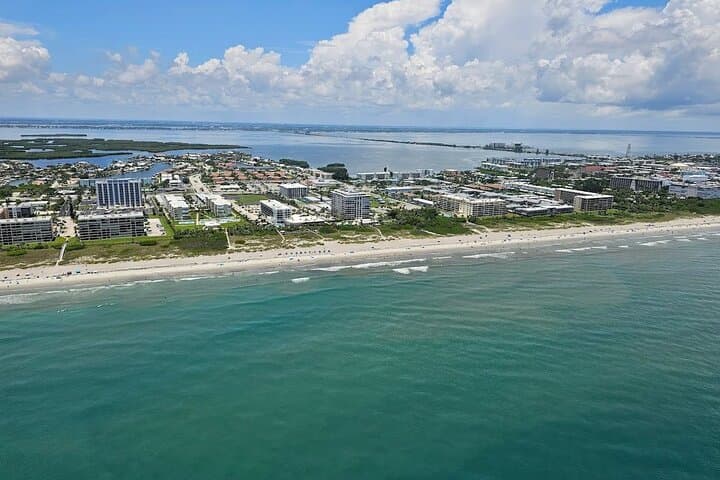
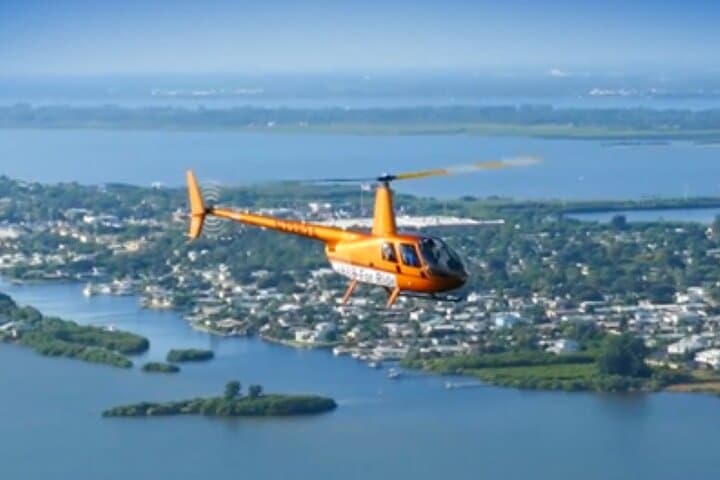
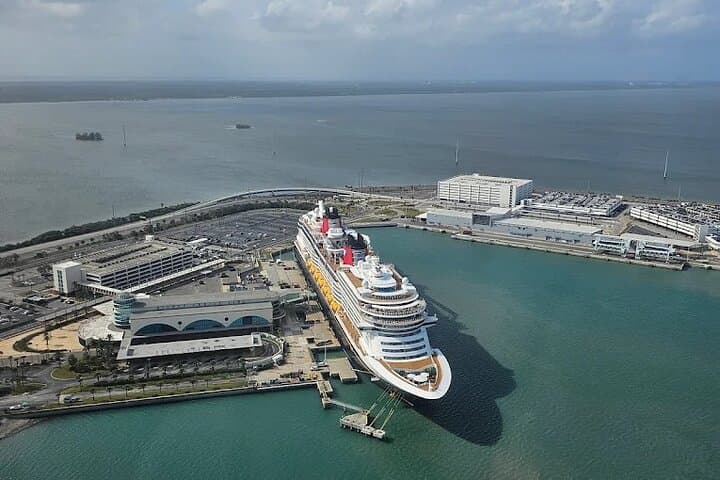
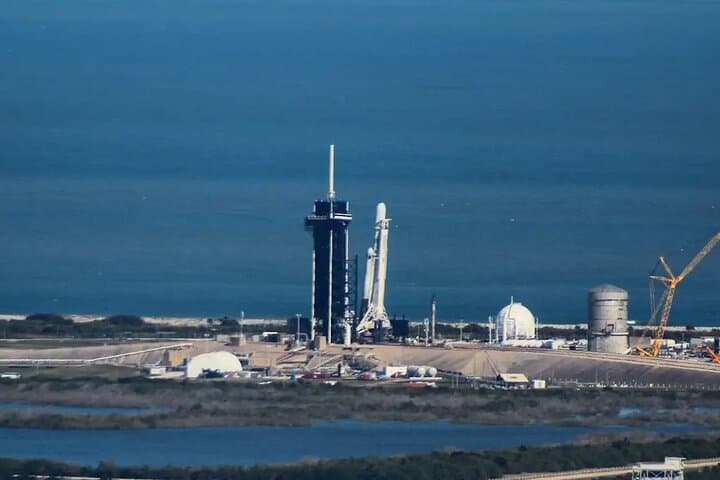
The rotor thumps, and the coastline unfolds: thin ribbons of beach, the cut of the Banana River, and the long straight geometry of the Shuttle Landing Facility. In a Robinson R-44 Raven you climb above Cape Canaveral for 45 minutes of low‑level flight that stitches beaches, ports, estuaries and launch infrastructure into a single, moving map.
Verified experiences and guided adventures in the surrounding area.
Operated by Cocoa Beach Helicopters · Cape Canaveral, Florida
The rotor thumps, and the coastline unfolds: thin ribbons of beach, the cut of the Banana River, and the long straight geometry of the Shuttle Landing Facility. In a Robinson R-44 Raven you climb above Cape Canaveral for 45 minutes of low‑level flight that stitches beaches, ports, estuaries and launch infrastructure into a single, moving map.
This stretch of east‑central Florida earned the name Space Coast for a reason — concrete runways and launch pads sit alongside barrier islands and mangrove creeks where Atlantic tides push life into shallow lagoons. Geology here is recent: wind‑built barrier islands, wide tidal flats and the slow accumulation of sand that shapes the Thousand Islands. Culturally, the area balances aerospace history with small coastal towns that grew around fishing, tourism and NASA’s pace of work.
Expect a curated route: a beach-and-port sweep, a Thousand Islands pass, a St. Johns River eco‑corridor and a trademark Shuttle Runway pass at the NASA facility. Wildlife chances are real — dolphins and manatees break the surface, alligators line quiet river edges — but sightings depend on season and light.
Practical notes: this is a private flight for your party and the pilot (R-44 capacity is pilot plus three passengers); operators require weight disclosure and cap passengers for safety. Flights are weather‑dependent and may cancel in storms; bring a small camera with a strap, sunglasses, and a light windbreaker for the open‑door feel. Morning light improves wildlife viewing and reduces sea haze. Finally, follow pilot instructions for boarding, weight distribution and headset use — the best photos come from being secure and present, not fumbling with gear mid‑flight.
easy.
45 minutes.
Minimal; must be able to sit unassisted for the duration and follow safety instructions. Not suitable if over operator weight limits.
Yes — the tour is conducted privately for your party and the pilot, typically accommodating up to three passengers plus the pilot in a Robinson R‑44.
Flights are weather‑dependent; operators will cancel if conditions are unsafe. The listed policy allows a full refund if you cancel at least 24 hours in advance.
Infants are permitted but must sit on an adult’s lap as required by the operator’s policy.
Departures are from the Space Coast/Cape Canaveral area; check your booking confirmation for the exact heliport address and arrival instructions.
Cape Canaveral and the Kennedy Space Center have shaped the region since early missile tests and the Apollo program; the Shuttle Landing Facility later handled Space Shuttle returns and aircraft test operations.
Flights pass over sensitive estuaries and wildlife refuges; operators and visitors are encouraged to minimize disturbances and support local conservation efforts like the Merritt Island National Wildlife Refuge.
Cocoa Beach Helicopters operates guided outdoor trips and adventures with an emphasis on safety, stewardship, and memorable experiences.
The rotor thumps, and the coastline unfolds: thin ribbons of beach, the cut of the Banana River, and the long straight geometry of the Shuttle Landing Facility. In a Robinson R-44 Raven you climb above Cape Canaveral for 45 minutes of low‑level flight that stitches beaches, ports, estuaries and launch infrastructure into a single, moving map.
The rotor thumps, and the coastline unfolds: thin ribbons of beach, the cut of the Banana River, and the long straight geometry of the Shuttle Landing Facility. In a Robinson R-44 Raven you climb above Cape Canaveral for 45 minutes of low‑level flight that stitches beaches, ports, estuaries and launch infrastructure into a single, moving map.
This stretch of east‑central Florida earned the name Space Coast for a reason — concrete runways and launch pads sit alongside barrier islands and mangrove creeks where Atlantic tides push life into shallow lagoons. Geology here is recent: wind‑built barrier islands, wide tidal flats and the slow accumulation of sand that shapes the Thousand Islands. Culturally, the area balances aerospace history with small coastal towns that grew around fishing, tourism and NASA’s pace of work.
Expect a curated route: a beach-and-port sweep, a Thousand Islands pass, a St. Johns River eco‑corridor and a trademark Shuttle Runway pass at the NASA facility. Wildlife chances are real — dolphins and manatees break the surface, alligators line quiet river edges — but sightings depend on season and light.
Practical notes: this is a private flight for your party and the pilot (R-44 capacity is pilot plus three passengers); operators require weight disclosure and cap passengers for safety. Flights are weather‑dependent and may cancel in storms; bring a small camera with a strap, sunglasses, and a light windbreaker for the open‑door feel. Morning light improves wildlife viewing and reduces sea haze. Finally, follow pilot instructions for boarding, weight distribution and headset use — the best photos come from being secure and present, not fumbling with gear mid‑flight.