THE ADVENTURE COLLECTIVE® · Independent discovery and booking for outdoor travel

Take in Dubai’s rapid transformation from two vantage points: the dizzying heights of Burj Khalifa and the narrative galleries of the Dubai Frame. This combo packs skyline panoramas and city history into a single half-day visit—ideal for first-time visitors.
Take in Dubai’s rapid transformation from two vantage points: the dizzying heights of Burj Khalifa and the narrative galleries of the Dubai Frame. This combo packs skyline panoramas and city history into a single half-day visit—ideal for first-time visitors.
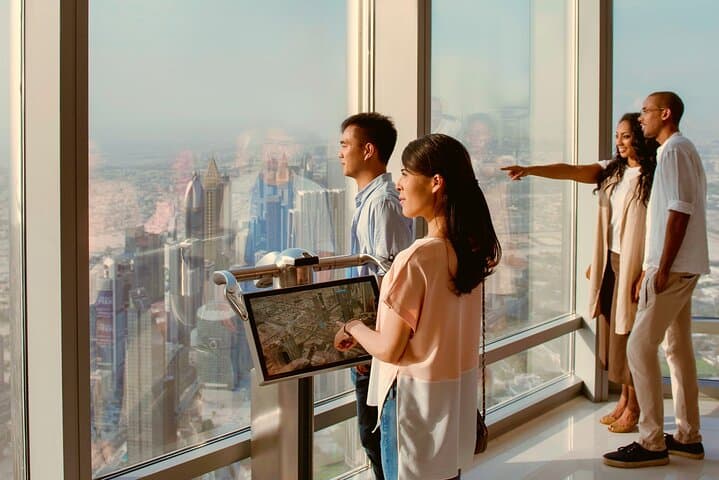
You step out of the metro into a city that pushes skyward; glass and steel reflect a relentless sun while the Persian Gulf holds the horizon. From the Burj Khalifa observation decks, Dubai unfolds in clean geometric slices—marina channels, the serrated coastline, and desert edges that continue to press at the city’s outskirts.
Verified experiences and guided adventures in the surrounding area.
Operated by Trip Ventura · Dubai, Dubai
You step out of the metro into a city that pushes skyward; glass and steel reflect a relentless sun while the Persian Gulf holds the horizon. From the Burj Khalifa observation decks, Dubai unfolds in clean geometric slices—marina channels, the serrated coastline, and desert edges that continue to press at the city’s outskirts.
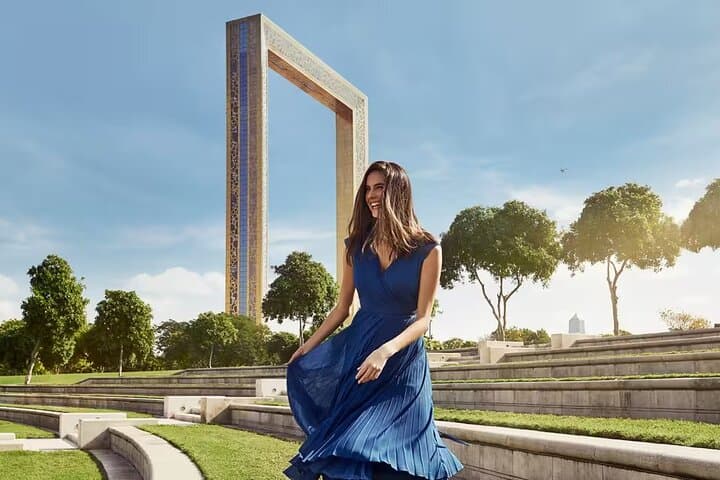
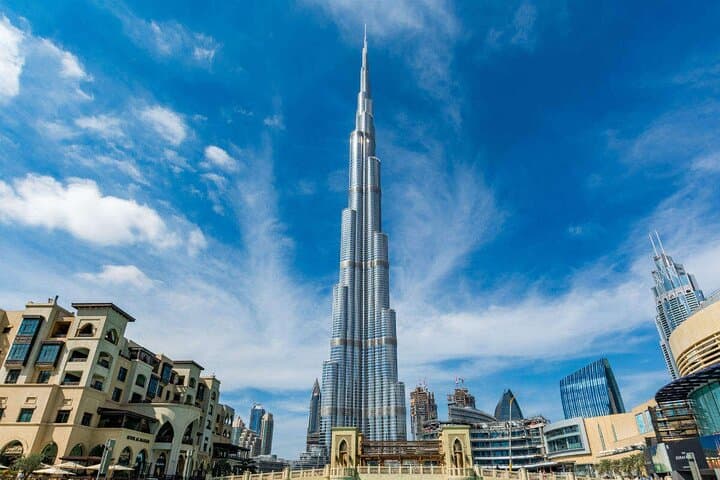
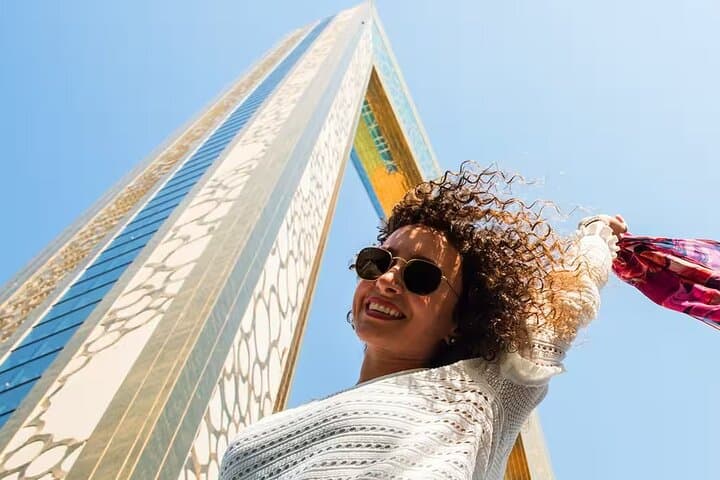
The Burj Khalifa, completed in 2010, is an engineering landmark that reframed what each new skyline could be. The Dubai Frame, completed in 2018 in Zabeel Park, deliberately frames the city’s rapid transformation—one side looking to older Creekside neighborhoods, the other to glass towers and planned megaprojects. Together they tell Dubai’s recent history: reclamation, high-rise engineering, and a city re-imagining its future.
Expect curated museum displays at the Frame and floor-to-ceiling vistas on the 124th–125th levels of the Burj Khalifa. Lines and security are part of the visit; timed tickets and non-prime-hour entries reduce waits. Visitors should allow 3–5 hours to move at a relaxed pace between both sites, accounting for transport and exhibits.
Practical tips: carry government ID for ticket checks, use public transit or taxis (traffic can add 20–40 minutes), and plan for air-conditioned comfort between outdoor viewpoints. Bring a charged camera and sun protection; reflections and midday heat make mornings or late afternoons best for photos. These two stops make a compact, practical survey of Dubai’s skyline, culture, and ambitions—big-city attractions that reward simple planning and good timing.
easy.
4–5 hours.
Suitable for all fitness levels; involves standing and elevator access, minimal walking between indoor exhibits.
No—mobile tickets are accepted, but you must present the same ID used at booking when requested.
Plan 3–5 hours total to visit exhibits, take photos, and move between sites; allocate extra time for traffic during peak hours.
Both attractions are suitable for all fitness levels; infants may be required to sit on laps and elevators provide easy access.
This combo is listed as all sales final—no refunds are available, so confirm dates and traveler details before booking.
Burj Khalifa rose during Dubai’s 2000s construction boom to become a global icon; the Dubai Frame was created to contrast the city’s past and future within a single vantage point.
Both sites receive heavy daily visitation—use public transit, follow site guidance, and avoid leaving waste; Dubai is expanding sustainability programs that visitors can support by minimizing single-use plastics.
Trip Ventura operates guided outdoor trips and adventures with an emphasis on safety, stewardship, and memorable experiences.
You step out of the metro into a city that pushes skyward; glass and steel reflect a relentless sun while the Persian Gulf holds the horizon. From the Burj Khalifa observation decks, Dubai unfolds in clean geometric slices—marina channels, the serrated coastline, and desert edges that continue to press at the city’s outskirts.
You step out of the metro into a city that pushes skyward; glass and steel reflect a relentless sun while the Persian Gulf holds the horizon. From the Burj Khalifa observation decks, Dubai unfolds in clean geometric slices—marina channels, the serrated coastline, and desert edges that continue to press at the city’s outskirts.
The Burj Khalifa, completed in 2010, is an engineering landmark that reframed what each new skyline could be. The Dubai Frame, completed in 2018 in Zabeel Park, deliberately frames the city’s rapid transformation—one side looking to older Creekside neighborhoods, the other to glass towers and planned megaprojects. Together they tell Dubai’s recent history: reclamation, high-rise engineering, and a city re-imagining its future.
Expect curated museum displays at the Frame and floor-to-ceiling vistas on the 124th–125th levels of the Burj Khalifa. Lines and security are part of the visit; timed tickets and non-prime-hour entries reduce waits. Visitors should allow 3–5 hours to move at a relaxed pace between both sites, accounting for transport and exhibits.
Practical tips: carry government ID for ticket checks, use public transit or taxis (traffic can add 20–40 minutes), and plan for air-conditioned comfort between outdoor viewpoints. Bring a charged camera and sun protection; reflections and midday heat make mornings or late afternoons best for photos. These two stops make a compact, practical survey of Dubai’s skyline, culture, and ambitions—big-city attractions that reward simple planning and good timing.