THE ADVENTURE COLLECTIVE® · Independent discovery and booking for outdoor travel

A short, private night walk from central Auckland brings you into a dark native gully alive with the soft green glow of Arachnocampa luminosa. Small groups, strict low-light rules, and a guide make this an intimate urban-nature experience.
A short, private night walk from central Auckland brings you into a dark native gully alive with the soft green glow of Arachnocampa luminosa. Small groups, strict low-light rules, and a guide make this an intimate urban-nature experience.
A hush falls over the van as city lights drop behind you and the guide shuts the engine off. Footsteps slow; the bush breathes. The trail is flat and easy underfoot—a short 25-minute drive from central Auckland to a small, protected stand of native forest where glow worms collect along the stream banks. Eyes adjust, torches dim, and then tiny pinpricks of green begin to appear—soft, steady beacons hung like living stars across the dark understory.
Verified experiences and guided adventures in the surrounding area.
Operated by Locals New Zealand · Auckland, Auckland
A hush falls over the van as city lights drop behind you and the guide shuts the engine off. Footsteps slow; the bush breathes. The trail is flat and easy underfoot—a short 25-minute drive from central Auckland to a small, protected stand of native forest where glow worms collect along the stream banks. Eyes adjust, torches dim, and then tiny pinpricks of green begin to appear—soft, steady beacons hung like living stars across the dark understory.
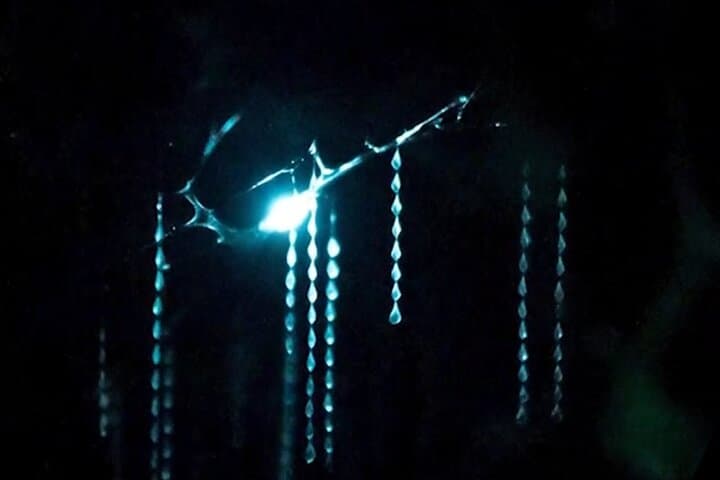
The glow worm here is Arachnocampa luminosa, an endemic larval stage that lights its silk snares to draw in insects. Māori oral histories and local conservation groups have long valued these quiet gullies; the animals and the forest both rely on stable, damp conditions and minimal disturbance. Geologically, the gullies sit on compacted volcanic soils common around the Auckland isthmus, with fern-lined banks and a permanent trickle of water that keeps humidity high—ideal glow-worm habitat.
This guided, private 90-minute outing includes a short, guided bush walk of roughly 30 minutes on flat, well-formed tracks. Expect low light, close quarters, and strict rules—phones off, no flash photography, and careful foot placement. Wear grippy shoes, a warm layer, and bring patience: the viewing is gentle and intimate rather than theatrical. Guides explain species behavior, local bird calls you might hear (morepork, tui), and simple biosecurity steps to protect the reserve. Best visited on a still, dry night when the worms shine brightest; cancellations may occur for heavy rain. For city-based travelers wanting a quiet, small-group encounter with New Zealand's luminous nightlife, this is a rare, low-effort introduction to native bush after dark.
easy.
1.5 hours (90 minutes).
Light to moderate: able to walk 20–30 minutes on uneven, low-light paths.
No—flash photography and bright screens are restricted because they disturb the glow worms; some guides may allow long-exposure camera work only under controlled conditions, ask beforehand.
Families are welcome but very young children may find the dark and silence unsettling; check with the operator about infant seating in the vehicle and child supervision on the trail.
Tours are cancelled for heavy rain or unsafe conditions; operators will offer a full refund or rebooking if they cancel at least 24 hours notice is required for guest cancellations.
Pickup is typically arranged from central Auckland; the drive to the reserve is about 20–30 minutes depending on traffic and exact meeting point.
Local Māori have long-known these nocturnal gullies; contemporary efforts combine mātauranga Māori and scientific monitoring to protect habitat.
The site is sensitive—guides enforce strict low-light rules and track hygiene to prevent ecological disturbance and disease spread (e.g., kauri dieback precautions).
Locals New Zealand operates guided outdoor trips and adventures with an emphasis on safety, stewardship, and memorable experiences.
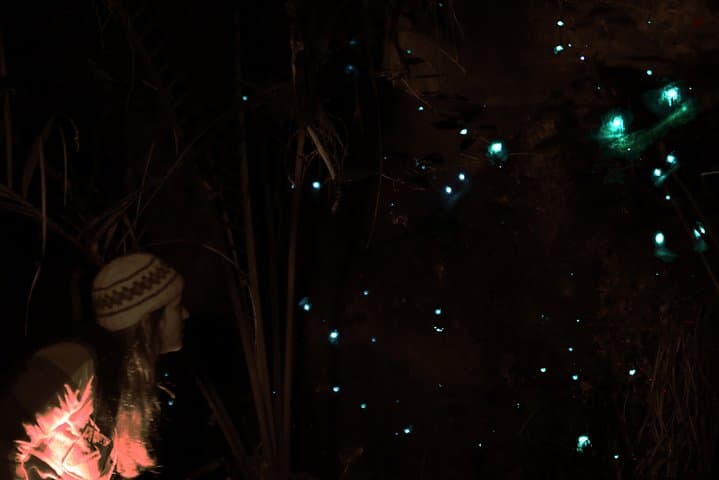
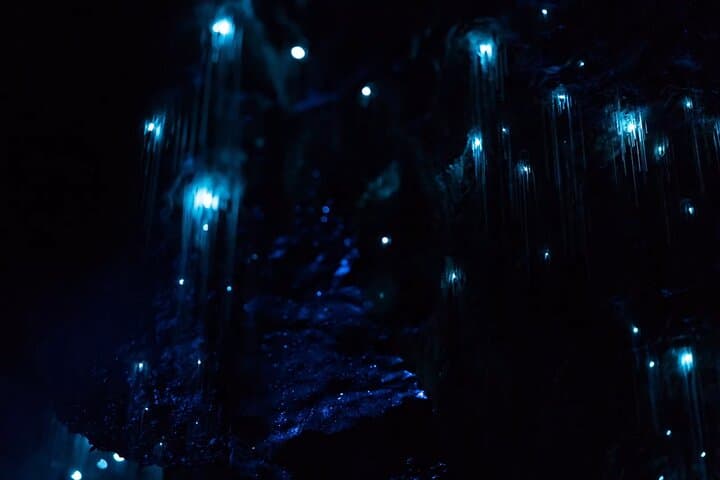
A hush falls over the van as city lights drop behind you and the guide shuts the engine off. Footsteps slow; the bush breathes. The trail is flat and easy underfoot—a short 25-minute drive from central Auckland to a small, protected stand of native forest where glow worms collect along the stream banks. Eyes adjust, torches dim, and then tiny pinpricks of green begin to appear—soft, steady beacons hung like living stars across the dark understory.
A hush falls over the van as city lights drop behind you and the guide shuts the engine off. Footsteps slow; the bush breathes. The trail is flat and easy underfoot—a short 25-minute drive from central Auckland to a small, protected stand of native forest where glow worms collect along the stream banks. Eyes adjust, torches dim, and then tiny pinpricks of green begin to appear—soft, steady beacons hung like living stars across the dark understory.
The glow worm here is Arachnocampa luminosa, an endemic larval stage that lights its silk snares to draw in insects. Māori oral histories and local conservation groups have long valued these quiet gullies; the animals and the forest both rely on stable, damp conditions and minimal disturbance. Geologically, the gullies sit on compacted volcanic soils common around the Auckland isthmus, with fern-lined banks and a permanent trickle of water that keeps humidity high—ideal glow-worm habitat.
This guided, private 90-minute outing includes a short, guided bush walk of roughly 30 minutes on flat, well-formed tracks. Expect low light, close quarters, and strict rules—phones off, no flash photography, and careful foot placement. Wear grippy shoes, a warm layer, and bring patience: the viewing is gentle and intimate rather than theatrical. Guides explain species behavior, local bird calls you might hear (morepork, tui), and simple biosecurity steps to protect the reserve. Best visited on a still, dry night when the worms shine brightest; cancellations may occur for heavy rain. For city-based travelers wanting a quiet, small-group encounter with New Zealand's luminous nightlife, this is a rare, low-effort introduction to native bush after dark.