THE ADVENTURE COLLECTIVE® · Independent discovery and booking for outdoor travel

Sit on a cushion above the red-rock amphitheaters and learn grounded meditation techniques tied to Sedona’s landscape. This 90-minute guided experience blends practical instruction with a short walk to a quiet viewpoint.
Sit on a cushion above the red-rock amphitheaters and learn grounded meditation techniques tied to Sedona’s landscape. This 90-minute guided experience blends practical instruction with a short walk to a quiet viewpoint.
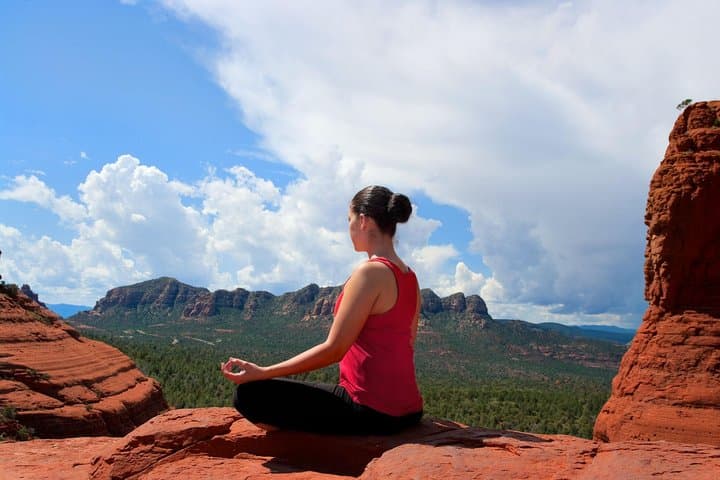
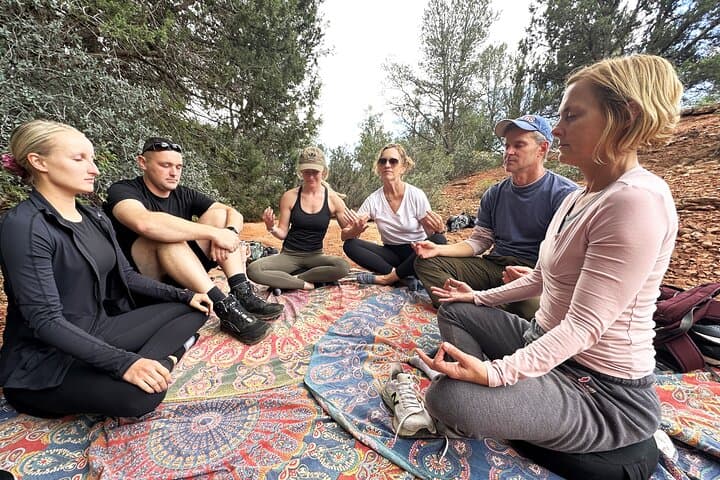
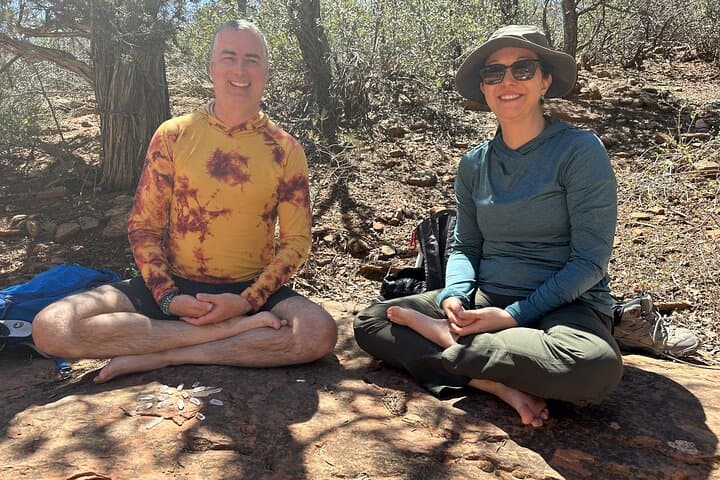
You arrive where the red rocks rise like weathered amphitheaters and the air tastes dry and bright. A small group gathers by a dark blue CRV at the Amitabha Stupa & Peace Park; cushions are handed out, blankets offered if the wind bites. The guide’s voice is steady and plain—directions for breathing, a short walk to a flat ledge, then the world simplifies to rock, sky, and breath.
Verified experiences and guided adventures in the surrounding area.
Operated by Sedona Meditation Experiences · Sedona, Arizona
You arrive where the red rocks rise like weathered amphitheaters and the air tastes dry and bright. A small group gathers by a dark blue CRV at the Amitabha Stupa & Peace Park; cushions are handed out, blankets offered if the wind bites. The guide’s voice is steady and plain—directions for breathing, a short walk to a flat ledge, then the world simplifies to rock, sky, and breath.
Sedona’s red sandstone—part of the Schnebly Hill Formation—was laid down as ancient coastal deposits and carved by uplift and erosion into the cliffs and buttes you sit against. Indigenous Yavapai and Apache peoples have long treated parts of this landscape as culturally significant, while modern ideas of “vortexes” grew from mid-20th-century spiritual tourism. Michele, a 20-year resident and trained mindfulness teacher, links accessible science-based meditation techniques with respectful context about the land.
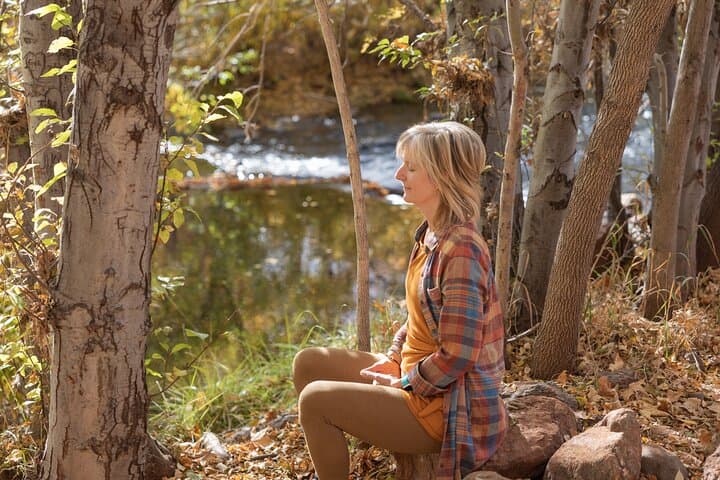
Expect 90 minutes that blend a short, easy trail approach with instruction: grounding, intention-setting, and a 20–25 minute guided meditation followed by discussion. The setting encourages stillness—wind brushing juniper, a distant hawk circling, sun warming sandstone—and the teacher prioritizes inclusivity and practical takeaways you can use at home.
Practical notes: the meeting point has a small parking area; trails are short but uneven in places, so stable footwear helps. Bring water, sun protection, and a light layer for changing desert temperatures. The host accommodates wheelchairs and service animals with advance notice and asks visitors to leave no trace to protect fragile soils and cultural sites.
easy.
1–1.5 hours.
Suitable for most fitness levels; requires ability to walk an easy, uneven trail and sit on a cushion or portable chair.
The program runs about 90 minutes total—short walk in, guided practices including a 20–25 minute seated meditation, then return to the meeting point.
Yes—sessions are designed for all levels and include basic instruction on breathing, posture, and accessible techniques.
Yes—wheelchair access can be arranged if requested at booking; hosts will select a suitable nearby location when needed.
Bring a water bottle, sun protection, comfortable shoes for a short rocky approach, and a light jacket; cushions and blankets are provided if needed.
Sedona sits on lands historically used by Yavapai and Apache communities; the red rocks are composed of Permian-age Schnebly Hill sandstone uplifted and eroded over millions of years.
Stay on established paths, pack out all trash, and avoid sitting on fragile cryptobiotic soil; respect cultural sites and local land-use guidelines.
Sedona Meditation Experiences operates guided outdoor trips and adventures with an emphasis on safety, stewardship, and memorable experiences.
You arrive where the red rocks rise like weathered amphitheaters and the air tastes dry and bright. A small group gathers by a dark blue CRV at the Amitabha Stupa & Peace Park; cushions are handed out, blankets offered if the wind bites. The guide’s voice is steady and plain—directions for breathing, a short walk to a flat ledge, then the world simplifies to rock, sky, and breath.
You arrive where the red rocks rise like weathered amphitheaters and the air tastes dry and bright. A small group gathers by a dark blue CRV at the Amitabha Stupa & Peace Park; cushions are handed out, blankets offered if the wind bites. The guide’s voice is steady and plain—directions for breathing, a short walk to a flat ledge, then the world simplifies to rock, sky, and breath.
Sedona’s red sandstone—part of the Schnebly Hill Formation—was laid down as ancient coastal deposits and carved by uplift and erosion into the cliffs and buttes you sit against. Indigenous Yavapai and Apache peoples have long treated parts of this landscape as culturally significant, while modern ideas of “vortexes” grew from mid-20th-century spiritual tourism. Michele, a 20-year resident and trained mindfulness teacher, links accessible science-based meditation techniques with respectful context about the land.
Expect 90 minutes that blend a short, easy trail approach with instruction: grounding, intention-setting, and a 20–25 minute guided meditation followed by discussion. The setting encourages stillness—wind brushing juniper, a distant hawk circling, sun warming sandstone—and the teacher prioritizes inclusivity and practical takeaways you can use at home.
Practical notes: the meeting point has a small parking area; trails are short but uneven in places, so stable footwear helps. Bring water, sun protection, and a light layer for changing desert temperatures. The host accommodates wheelchairs and service animals with advance notice and asks visitors to leave no trace to protect fragile soils and cultural sites.