THE ADVENTURE COLLECTIVE® · Independent discovery and booking for outdoor travel

Explore Sedona’s red-rock energy sites with TV host Rachel Reenstra on a 2–3 hour small-group tour that blends geology, local stories and a stop at an elixir bar. Short walks, accessible viewpoints, and a personalized rock reading make this an easy introduction to the region’s famed vortexes.
Explore Sedona’s red-rock energy sites with TV host Rachel Reenstra on a 2–3 hour small-group tour that blends geology, local stories and a stop at an elixir bar. Short walks, accessible viewpoints, and a personalized rock reading make this an easy introduction to the region’s famed vortexes.
The black SUV slides to a stop and the first light of day sets the red rocks smoldering—ochre cliffs glowing like embers against a clear Arizona sky. You step out, breathe the thin, dry air at roughly 4,350 feet, and feel the quiet pressure of the landscape: flat mesas giving way to striated sandstone spires. On Rachel Reenstra’s Sedona Vortex and City Tour, those rocks aren’t scenery so much as company—pushy, insistently present; they seem to invite a pause and a question.
Verified experiences and guided adventures in the surrounding area.
Operated by Dvine Detours · Sedona, Arizona
The black SUV slides to a stop and the first light of day sets the red rocks smoldering—ochre cliffs glowing like embers against a clear Arizona sky. You step out, breathe the thin, dry air at roughly 4,350 feet, and feel the quiet pressure of the landscape: flat mesas giving way to striated sandstone spires. On Rachel Reenstra’s Sedona Vortex and City Tour, those rocks aren’t scenery so much as company—pushy, insistently present; they seem to invite a pause and a question.
The route threads through some of Sedona’s most visited energy sites, including the sculpted Chapel of the Holy Cross carved into a sheer face of red stone, and stops at viewpoints where guides offer short rock readings—simple observations tied to geology, folklore and personal reflection. The “vortex” idea—localized spots of heightened spiritual energy—has a modern tourism history that dates to the 1980s, but the land itself is far older: layers of Permian-era sandstone, including the Schnebly Hill formation, uplifted and eroded into the hoodoos and fins you see today. Indigenous Yavapai and Hopi peoples have long treated these places as part of a living landscape; the contemporary vortex narrative mixes that legacy with New Age practice and local storytelling.
This is a city tour with a contemplative edge. Stops are short—20–30 minutes each—so you’ll move frequently between overlooks, a colorful elixir bar where plant-based tonics are served, and the chapel that appears to sprout from the rock. The guide provides bottled water, tea or coffee, a personalized video keepsake, and easy conversation about local flora, fauna and how the land formed. Accessibility is surprisingly good: pickup is offered from central Sedona, paths at several stops are flat or have short stair sections, and the tour is marketed for all fitness levels.
Practical side: the tour runs about 2–3 hours, so plan for sun exposure and some short standing periods. Wear sturdy shoes—you’ll be on short trails and rocky overlooks—layer for temperature swings between canyon floors and mesa tops, and pack sunscreen and a hat. If you want a quieter photo window, ask for sunrise or late afternoon departures when shadows sculpt the cliffs and the light is richest. Expect small-group attention—this operator emphasizes personal experience rather than a packed sightseeing bus.
For travelers curious about both Sedona’s scenery and its stories, the tour bridges natural history, accessible walking, and a friendly local perspective. It’s less a pilgrimage than a guided introduction: geological primers, cultural notes, and a few moments to stand very still and see what the landscape asks of you.
easy.
2–3 hours.
Suitable for most fitness levels; involves short walks and brief standing at viewpoints.
The experience runs approximately 2–3 hours depending on traffic and group pacing.
Yes—pickup options include meeting at the operator’s office or hotel pickup; confirm your pickup point when booking.
Many stops have wheelchair-accessible viewpoints; contact the supplier to confirm accessibility for specific mobility needs.
Yes—tour notes indicate infants and small children are welcome; consider booking a private tour for family comfort.
Dress in layers (temperatures shift between sun and shade), wear closed-toe shoes with grip, and bring sun protection.
The operator reserves the right to cancel for bad weather with full refunds if canceled at least 24 hours prior; check local conditions and cancellation policy.
The red-rock formations are Permian-age sandstone uplifted and eroded over millions of years; modern vortex tourism grew in the late 20th century alongside spiritual seekers and local storytellers.
Stick to marked paths and avoid collecting rock or plants—fragile desert cryptobiotic soils and native vegetation recover slowly from trampling.
Dvine Detours operates guided outdoor trips and adventures with an emphasis on safety, stewardship, and memorable experiences.
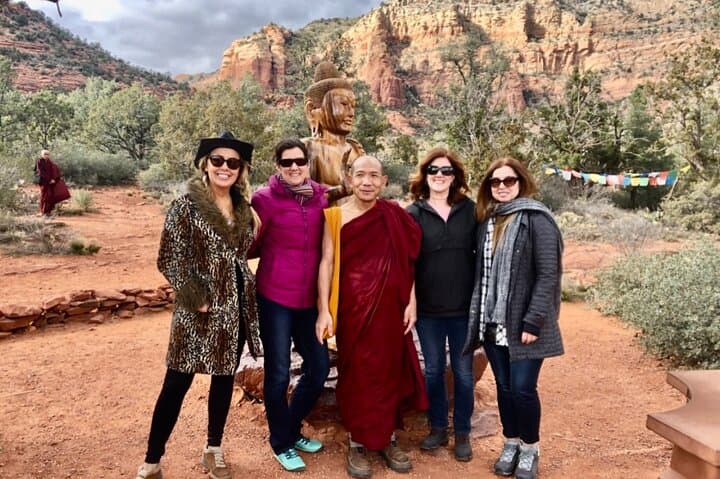
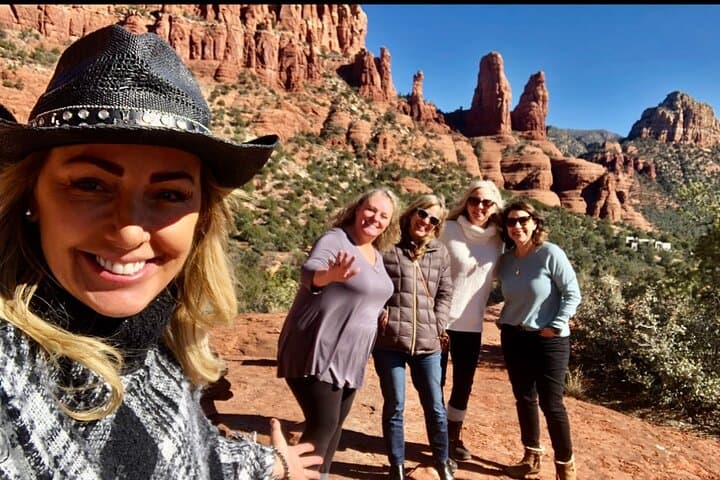
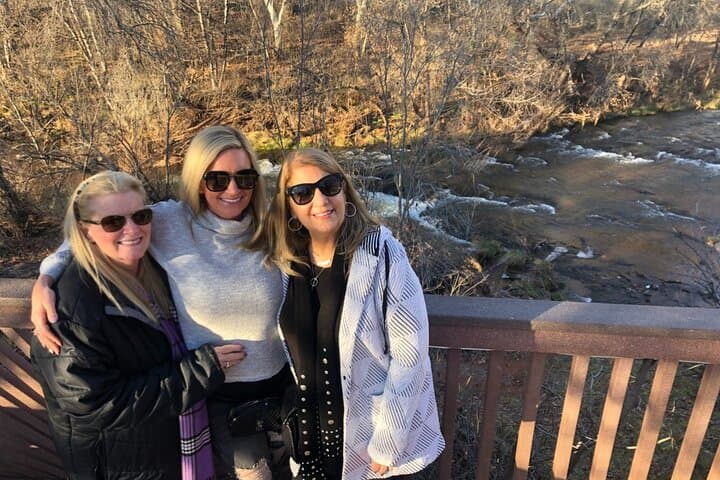
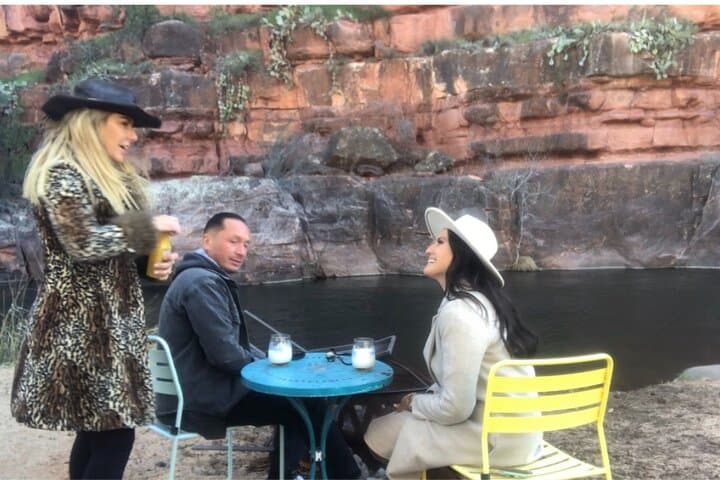
The black SUV slides to a stop and the first light of day sets the red rocks smoldering—ochre cliffs glowing like embers against a clear Arizona sky. You step out, breathe the thin, dry air at roughly 4,350 feet, and feel the quiet pressure of the landscape: flat mesas giving way to striated sandstone spires. On Rachel Reenstra’s Sedona Vortex and City Tour, those rocks aren’t scenery so much as company—pushy, insistently present; they seem to invite a pause and a question.
The black SUV slides to a stop and the first light of day sets the red rocks smoldering—ochre cliffs glowing like embers against a clear Arizona sky. You step out, breathe the thin, dry air at roughly 4,350 feet, and feel the quiet pressure of the landscape: flat mesas giving way to striated sandstone spires. On Rachel Reenstra’s Sedona Vortex and City Tour, those rocks aren’t scenery so much as company—pushy, insistently present; they seem to invite a pause and a question.
The route threads through some of Sedona’s most visited energy sites, including the sculpted Chapel of the Holy Cross carved into a sheer face of red stone, and stops at viewpoints where guides offer short rock readings—simple observations tied to geology, folklore and personal reflection. The “vortex” idea—localized spots of heightened spiritual energy—has a modern tourism history that dates to the 1980s, but the land itself is far older: layers of Permian-era sandstone, including the Schnebly Hill formation, uplifted and eroded into the hoodoos and fins you see today. Indigenous Yavapai and Hopi peoples have long treated these places as part of a living landscape; the contemporary vortex narrative mixes that legacy with New Age practice and local storytelling.
This is a city tour with a contemplative edge. Stops are short—20–30 minutes each—so you’ll move frequently between overlooks, a colorful elixir bar where plant-based tonics are served, and the chapel that appears to sprout from the rock. The guide provides bottled water, tea or coffee, a personalized video keepsake, and easy conversation about local flora, fauna and how the land formed. Accessibility is surprisingly good: pickup is offered from central Sedona, paths at several stops are flat or have short stair sections, and the tour is marketed for all fitness levels.
Practical side: the tour runs about 2–3 hours, so plan for sun exposure and some short standing periods. Wear sturdy shoes—you’ll be on short trails and rocky overlooks—layer for temperature swings between canyon floors and mesa tops, and pack sunscreen and a hat. If you want a quieter photo window, ask for sunrise or late afternoon departures when shadows sculpt the cliffs and the light is richest. Expect small-group attention—this operator emphasizes personal experience rather than a packed sightseeing bus.
For travelers curious about both Sedona’s scenery and its stories, the tour bridges natural history, accessible walking, and a friendly local perspective. It’s less a pilgrimage than a guided introduction: geological primers, cultural notes, and a few moments to stand very still and see what the landscape asks of you.