THE ADVENTURE COLLECTIVE® · Independent discovery and booking for outdoor travel

Explore Sedona’s famed vortex sites with a guide who pairs local geology and history with chakra readings and a gift gemstone. Short walks and scenic pullouts make this an accessible, contemplative outdoor experience.
Explore Sedona’s famed vortex sites with a guide who pairs local geology and history with chakra readings and a gift gemstone. Short walks and scenic pullouts make this an accessible, contemplative outdoor experience.
You arrive at the Amitabha Stupa with wind skirting the red walls and sunlight angling across iron-stained sandstone.
Guides gather the small group, the hum of engines fading as voices point toward the Peace Park and the carved stone wheel used in local healing practices. The tour moves between high-view pullouts and short walks where the desert—scrub, juniper, and ribboned cliffs—seems to press conversation toward something quieter.
Verified experiences and guided adventures in the surrounding area.
Operated by Sheila Knies · Sedona, Arizona
You arrive at the Amitabha Stupa with wind skirting the red walls and sunlight angling across iron-stained sandstone.
Guides gather the small group, the hum of engines fading as voices point toward the Peace Park and the carved stone wheel used in local healing practices. The tour moves between high-view pullouts and short walks where the desert—scrub, juniper, and ribboned cliffs—seems to press conversation toward something quieter.
Sedona’s red formations are part of Permian sandstone layers uplifted by the Colorado Plateau’s long tilt; the iron oxide that gives the rocks their color is plain geology, while the vortex idea grew from 20th-century spiritual tourism and local New Age communities. Indigenous Yavapai and Hopi histories also shape the cultural context—ask guides for respectful background on sacred places rather than assuming access where it’s restricted.
Expect two to three short stops with a guide-led chakra reading and a keepsake gemstone. Walks are mostly level but on dirt or short rocky sections; most mobility levels can participate, though some spots require stepping over uneven ground.
Practical notes: bring at least 1 liter of water, sun protection, and closed-toe shoes; rides between sites happen in participants’ cars, so plan parking and a carpool if possible. Morning and late-afternoon slots avoid heat and crowds. Compliance with site rules—staying on trails, leaving offerings with permission—keeps these places viable for locals and visitors alike.
easy.
2–3 hours.
Minimal fitness required—suitable for most adults who can walk short uneven stretches
The tour is rated easy with short walks and mostly level terrain; some spots have uneven stones and low steps, so moderate mobility is helpful.
Yes—guides provide brief chakra readings during a stop and guests receive a small gemstone to take home as part of the experience.
Children are allowed but the content is adult-focused; travelers with serious mobility restrictions should check specific stop accessibility since some viewpoints require short, uneven walks.
The tour blends spiritual interpretations with local history and geology; participation in prayers or rituals is optional and guides typically present offerings respectfully rather than requiring involvement.
Sedona’s modern spiritual tourism grew in the mid-20th century while the landscape’s red sandstone formed over 250 million years ago during the Permian period; indigenous Yavapai and Hopi connections predate recent visitors.
Stay on designated roads and trails, pack out all trash, and avoid removing rocks or plants—these small actions protect fragile cryptobiotic soils and cultural sites.
Sheila Knies operates guided outdoor trips and adventures with an emphasis on safety, stewardship, and memorable experiences.
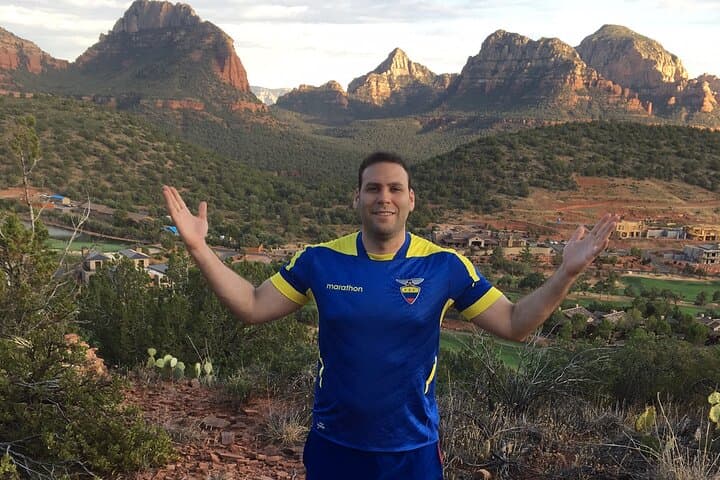
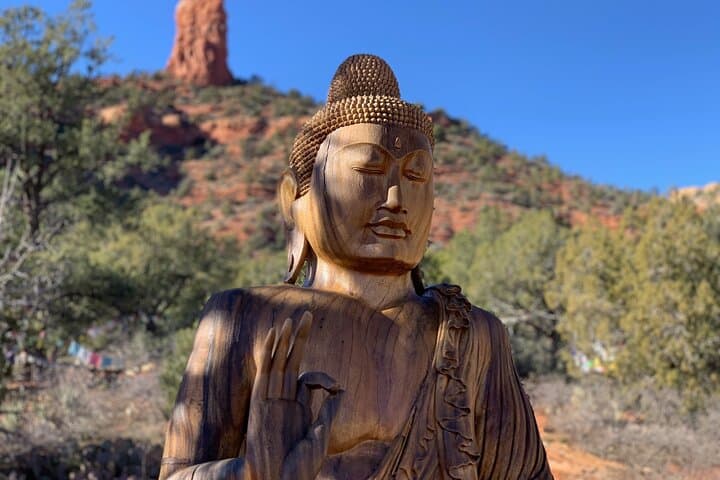
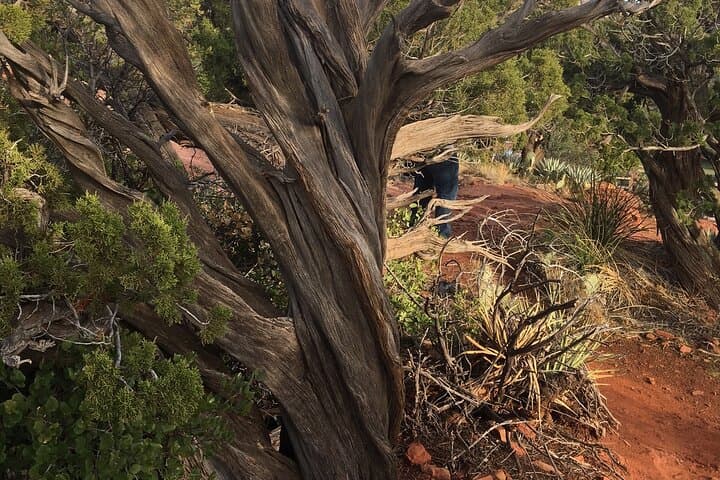
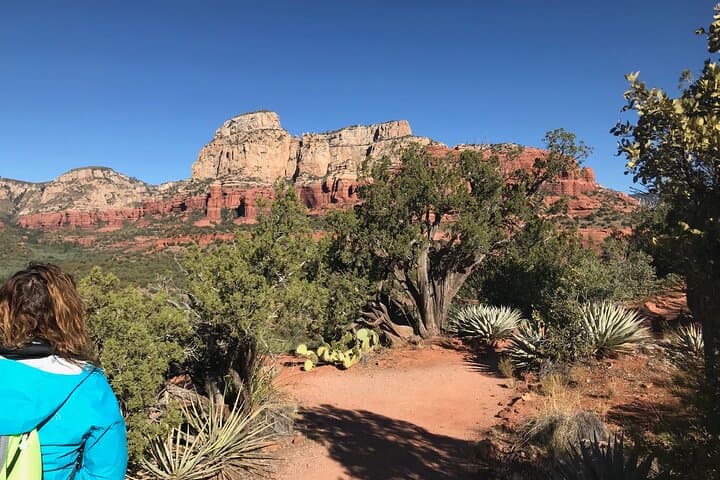
You arrive at the Amitabha Stupa with wind skirting the red walls and sunlight angling across iron-stained sandstone.
Guides gather the small group, the hum of engines fading as voices point toward the Peace Park and the carved stone wheel used in local healing practices. The tour moves between high-view pullouts and short walks where the desert—scrub, juniper, and ribboned cliffs—seems to press conversation toward something quieter.
You arrive at the Amitabha Stupa with wind skirting the red walls and sunlight angling across iron-stained sandstone.
Guides gather the small group, the hum of engines fading as voices point toward the Peace Park and the carved stone wheel used in local healing practices. The tour moves between high-view pullouts and short walks where the desert—scrub, juniper, and ribboned cliffs—seems to press conversation toward something quieter.
Sedona’s red formations are part of Permian sandstone layers uplifted by the Colorado Plateau’s long tilt; the iron oxide that gives the rocks their color is plain geology, while the vortex idea grew from 20th-century spiritual tourism and local New Age communities. Indigenous Yavapai and Hopi histories also shape the cultural context—ask guides for respectful background on sacred places rather than assuming access where it’s restricted.
Expect two to three short stops with a guide-led chakra reading and a keepsake gemstone. Walks are mostly level but on dirt or short rocky sections; most mobility levels can participate, though some spots require stepping over uneven ground.
Practical notes: bring at least 1 liter of water, sun protection, and closed-toe shoes; rides between sites happen in participants’ cars, so plan parking and a carpool if possible. Morning and late-afternoon slots avoid heat and crowds. Compliance with site rules—staying on trails, leaving offerings with permission—keeps these places viable for locals and visitors alike.