THE ADVENTURE COLLECTIVE® · Independent discovery and booking for outdoor travel

Experience Sedona’s night sky using observatory‑class telescopes and live video astronomy. This small‑group, 75‑minute tour brings deep‑sky objects to a 4K screen while guides narrate the science and stories behind each sight.
Experience Sedona’s night sky using observatory‑class telescopes and live video astronomy. This small‑group, 75‑minute tour brings deep‑sky objects to a 4K screen while guides narrate the science and stories behind each sight.
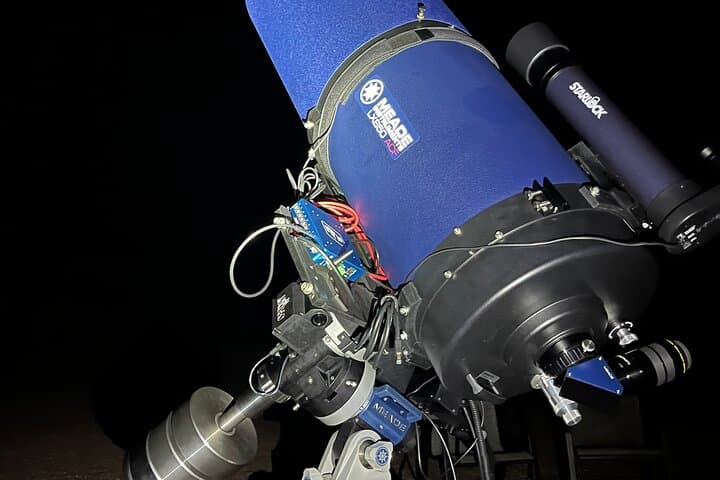
The sun has just slid behind the red-rock rim and the first stars prick the desert dark. In a flat clearing off a forest road, telescopes point like quiet, black flowers toward the Milky Way while a 4K monitor glows, translating faint photons into color and form you can actually read.
Verified experiences and guided adventures in the surrounding area.
Operated by Night Owl Tours · Sedona, Arizona
The sun has just slid behind the red-rock rim and the first stars prick the desert dark. In a flat clearing off a forest road, telescopes point like quiet, black flowers toward the Milky Way while a 4K monitor glows, translating faint photons into color and form you can actually read.
Sedona’s red sandstone spires are chapters of Colorado Plateau geology — uplift, river incision and wind shaping exposed layers millions of years old — and after dark the region becomes a theater for the cosmic story above. The land is also ancestral territory for the Yavapai‑Apache people; many rock features carry names and cultural meaning that predate modern maps. Local land managers and private ranchers keep select sites dark with seasonal USFS permits so the sky stays vivid.
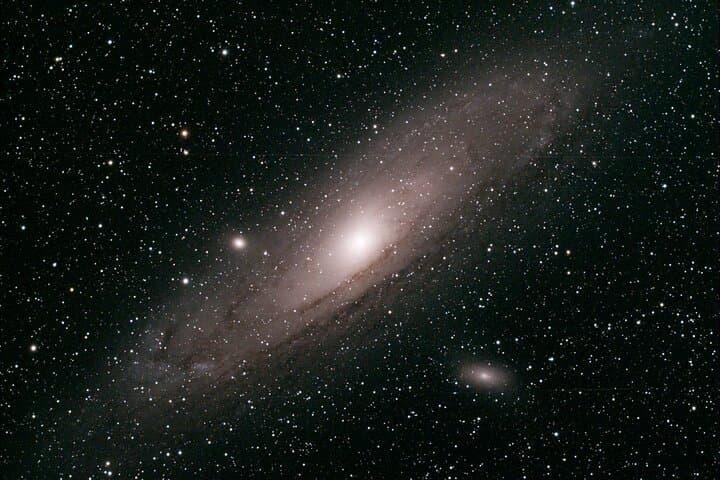
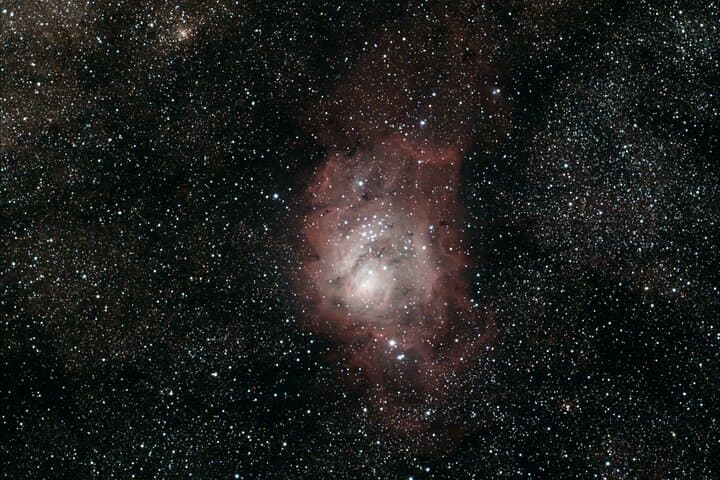
This tour blends traditional stargazing with live video astronomy: large‑aperture scopes feed cameras that stream nebulae, galaxies and star clusters to a single screen so everyone sees the same deep‑sky detail, not just a fleeting eyepiece view. Guides trace constellations with lasers, point out planets, and explain the science and history behind each object; participants can save favorite images at the end.
Practical edge: the outing is about 75 minutes and suitable for most people, but expect uneven ground and desert nights that chill quickly. Bring layered clothing, a red‑light headlamp, water and a camera if you want to photograph the scene. Check moon phase and monsoon forecasts — a full moon or summer storms will limit visibility — and allow a half hour drive from downtown Sedona to reach the darker sites.
easy.
1–1.5 hours.
Suitable for most fitness levels; participants must be able to walk short, uneven stretches in low light
The guided stargazing experience runs about 75 minutes, plus travel time to the meeting site from downtown Sedona.
Yes — the tour is family‑friendly, but it may not be appropriate for children under seven or anyone who has difficulty with uneven terrain in low light.
Yes; guides use eyepieces for direct views and cameras to stream live images to the 4K monitor so everyone can see faint objects simultaneously.
Tours are canceled for poor weather or insufficient visibility; you can get a full refund if you cancel at least 24 hours before the scheduled start.
Sedona sits on lands long used by Yavapai and Apache peoples; night skies have cultural significance for many Indigenous communities and local guides often reference traditional lore alongside scientific explanations.
Select dark sites are managed under seasonal USFS permits and private agreements to minimize light pollution and protect nocturnal wildlife; follow leave‑no‑trace practices and keep lighting to a minimum.
Night Owl Tours operates guided outdoor trips and adventures with an emphasis on safety, stewardship, and memorable experiences.
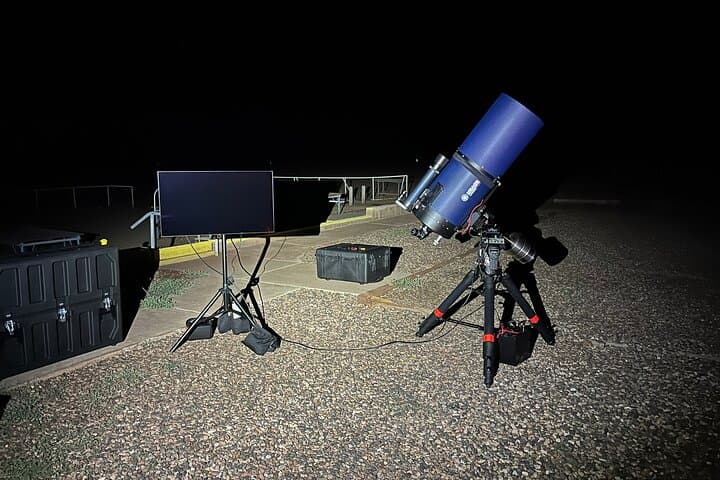
The sun has just slid behind the red-rock rim and the first stars prick the desert dark. In a flat clearing off a forest road, telescopes point like quiet, black flowers toward the Milky Way while a 4K monitor glows, translating faint photons into color and form you can actually read.
The sun has just slid behind the red-rock rim and the first stars prick the desert dark. In a flat clearing off a forest road, telescopes point like quiet, black flowers toward the Milky Way while a 4K monitor glows, translating faint photons into color and form you can actually read.
Sedona’s red sandstone spires are chapters of Colorado Plateau geology — uplift, river incision and wind shaping exposed layers millions of years old — and after dark the region becomes a theater for the cosmic story above. The land is also ancestral territory for the Yavapai‑Apache people; many rock features carry names and cultural meaning that predate modern maps. Local land managers and private ranchers keep select sites dark with seasonal USFS permits so the sky stays vivid.
This tour blends traditional stargazing with live video astronomy: large‑aperture scopes feed cameras that stream nebulae, galaxies and star clusters to a single screen so everyone sees the same deep‑sky detail, not just a fleeting eyepiece view. Guides trace constellations with lasers, point out planets, and explain the science and history behind each object; participants can save favorite images at the end.
Practical edge: the outing is about 75 minutes and suitable for most people, but expect uneven ground and desert nights that chill quickly. Bring layered clothing, a red‑light headlamp, water and a camera if you want to photograph the scene. Check moon phase and monsoon forecasts — a full moon or summer storms will limit visibility — and allow a half hour drive from downtown Sedona to reach the darker sites.