THE ADVENTURE COLLECTIVE® · Independent discovery and booking for outdoor travel

Spend a full day exploring Sedona’s red rocks and ancestral Sinagua cliff dwellings on this small-group tour from Phoenix. Visit Montezuma Castle, Chapel of the Holy Cross, Bell Rock and enjoy 2–3 hours to wander Uptown Sedona with a knowledgeable guide.
Spend a full day exploring Sedona’s red rocks and ancestral Sinagua cliff dwellings on this small-group tour from Phoenix. Visit Montezuma Castle, Chapel of the Holy Cross, Bell Rock and enjoy 2–3 hours to wander Uptown Sedona with a knowledgeable guide.
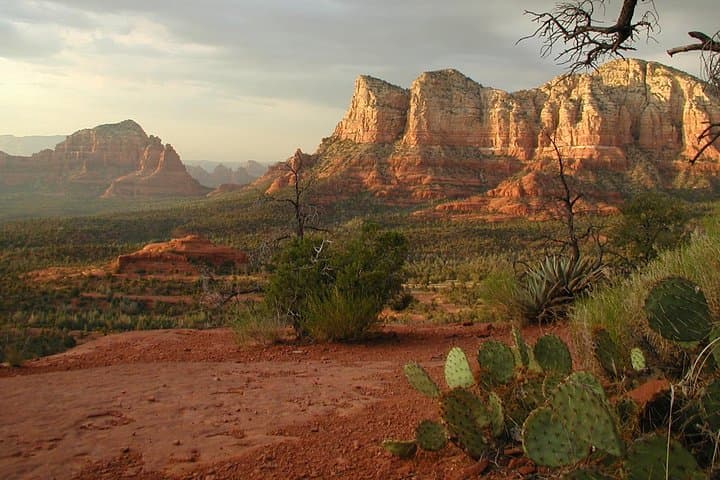
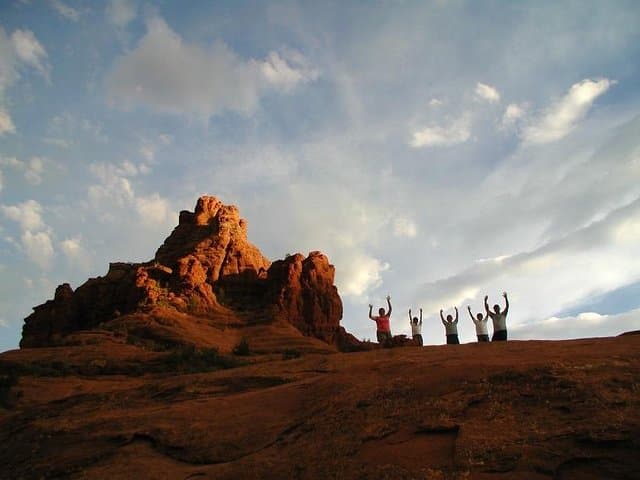
Dust still clings to the van wheels as the highway drops you into the wide, serrated skyline of Sedona. Red sandstone walls flare from the desert like opened books—layers of iron-stained rock that keep a geologic record of rivers and deserts long gone. On this full-day outing from Phoenix, travelers move through those pages: cliffside dwellings carved by the Sinagua, a chapel hewn into a mesa, and the broad faces of Bell Rock that dare you to pull over and look up.
Verified experiences and guided adventures in the surrounding area.
Operated by Detours of Arizona · Sedona, Arizona
Dust still clings to the van wheels as the highway drops you into the wide, serrated skyline of Sedona. Red sandstone walls flare from the desert like opened books—layers of iron-stained rock that keep a geologic record of rivers and deserts long gone. On this full-day outing from Phoenix, travelers move through those pages: cliffside dwellings carved by the Sinagua, a chapel hewn into a mesa, and the broad faces of Bell Rock that dare you to pull over and look up.
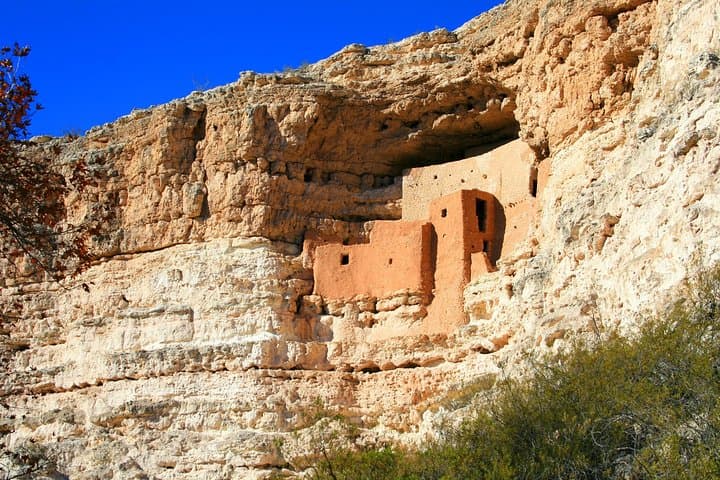
The itinerary is short on guesswork and long on the region’s stories. Montezuma Castle National Monument delivers the best-preserved cliff dwellings in North America — a 20-room, five-story structure hung roughly 70 feet above the valley floor, fashioned by the Sinagua people more than 700 years ago. The scale and placement speak to a people who read water, sun, and soft limestone with uncanny accuracy.
Geology sets the stage in Sedona. The red color comes from iron oxide varnish on Permian and Coconino sandstone; wind and flash floods have sculpted balanced rocks, fins, and the rounded monoliths locals call “vortexes” for the charged, meditative energy attributed to several sites. Chapel of the Holy Cross, completed in the mid-20th century, interrupts the rock face with a modern, human-made aperture—the chapel’s concrete cross is as much an architectural act as an offering.
Culture and commerce converge in Uptown Sedona where 2–3 hours of free time lets you choose between gallery browsing, a quick hike, or a coffee on a sun-drenched patio. Artisans sell landscape prints and jewelry fashioned from local stones; nearby, the land insists on quieter claims—old petroglyph sites and lesser-known ruins that reward curiosity.
Practicalities are straightforward. The tour runs about 11 hours in a climate-controlled van with a maximum of 13 guests; pickup is typically between 6:00–7:00 AM from Phoenix-area hotels. Bottled water and a professional guide are included, but there’s no restroom on the van, so expect multiple comfort stops. Trails at each stop are short but uneven—sturdy shoes and sun protection matter. Note Arizona law requires child seats/boosters for children under eight; bring your own.
For photographers, the light favors late afternoon when red rock faces saturate, but morning brings crisper skies and fewer people. Respect the ruins: do not climb, touch, or remove artifacts. Moving through Sedona with curiosity and care gives the day its best shape—layers of rock, human history, and landscape that keep asking you to look again.
easy.
11 hours (approx.).
Suitable for most fitness levels; expect short walks on uneven terrain and some standing during stops.
Pickup is typically from Phoenix-area hotels between 6:00–7:00 AM; you must contact the local operator at least one week prior to confirm your pickup location and exact time.
You’ll have short walks and viewpoints at each stop—nothing technical, but surfaces are uneven; allow shoes suitable for light hiking.
Admission to included national monuments (like Montezuma Castle) is covered by the tour; check your voucher for specifics.
Children aged 3+ can join; children under 8 require a child seat or booster you must provide. Foldable wheelchairs are acceptable but notify the operator in advance about mobility needs.
Bottled water is included; meals are not—there is time in Uptown Sedona to buy lunch or snacks at cafes and restaurants.
The tour may be canceled or re-routed due to severe weather or insufficient travelers; you’ll be offered alternatives or a refund per the cancellation policy.
The Sinagua people built cliff dwellings like Montezuma Castle between AD 600–1400; modern features like Chapel of the Holy Cross were added in the mid-20th century.
Sedona’s desert soils and archaeological sites are fragile—stay on designated trails, pack out trash, and avoid touching rock art to preserve the landscape.
Detours of Arizona operates guided outdoor trips and adventures with an emphasis on safety, stewardship, and memorable experiences.

Dust still clings to the van wheels as the highway drops you into the wide, serrated skyline of Sedona. Red sandstone walls flare from the desert like opened books—layers of iron-stained rock that keep a geologic record of rivers and deserts long gone. On this full-day outing from Phoenix, travelers move through those pages: cliffside dwellings carved by the Sinagua, a chapel hewn into a mesa, and the broad faces of Bell Rock that dare you to pull over and look up.
Dust still clings to the van wheels as the highway drops you into the wide, serrated skyline of Sedona. Red sandstone walls flare from the desert like opened books—layers of iron-stained rock that keep a geologic record of rivers and deserts long gone. On this full-day outing from Phoenix, travelers move through those pages: cliffside dwellings carved by the Sinagua, a chapel hewn into a mesa, and the broad faces of Bell Rock that dare you to pull over and look up.
The itinerary is short on guesswork and long on the region’s stories. Montezuma Castle National Monument delivers the best-preserved cliff dwellings in North America — a 20-room, five-story structure hung roughly 70 feet above the valley floor, fashioned by the Sinagua people more than 700 years ago. The scale and placement speak to a people who read water, sun, and soft limestone with uncanny accuracy.
Geology sets the stage in Sedona. The red color comes from iron oxide varnish on Permian and Coconino sandstone; wind and flash floods have sculpted balanced rocks, fins, and the rounded monoliths locals call “vortexes” for the charged, meditative energy attributed to several sites. Chapel of the Holy Cross, completed in the mid-20th century, interrupts the rock face with a modern, human-made aperture—the chapel’s concrete cross is as much an architectural act as an offering.
Culture and commerce converge in Uptown Sedona where 2–3 hours of free time lets you choose between gallery browsing, a quick hike, or a coffee on a sun-drenched patio. Artisans sell landscape prints and jewelry fashioned from local stones; nearby, the land insists on quieter claims—old petroglyph sites and lesser-known ruins that reward curiosity.
Practicalities are straightforward. The tour runs about 11 hours in a climate-controlled van with a maximum of 13 guests; pickup is typically between 6:00–7:00 AM from Phoenix-area hotels. Bottled water and a professional guide are included, but there’s no restroom on the van, so expect multiple comfort stops. Trails at each stop are short but uneven—sturdy shoes and sun protection matter. Note Arizona law requires child seats/boosters for children under eight; bring your own.
For photographers, the light favors late afternoon when red rock faces saturate, but morning brings crisper skies and fewer people. Respect the ruins: do not climb, touch, or remove artifacts. Moving through Sedona with curiosity and care gives the day its best shape—layers of rock, human history, and landscape that keep asking you to look again.