THE ADVENTURE COLLECTIVE® · Independent discovery and booking for outdoor travel

Spend a private half‑day among Sedona’s red cliffs: a guided 2.4‑mile loop climbs to a panoramic ‘‘island in the sky,’’ then winds through Tlaquepaque’s galleries and the iconic Chapel of the Holy Cross. Ideal for travelers who want geology, culture, and a sure‑footed hike without the crowds.
Spend a private half‑day among Sedona’s red cliffs: a guided 2.4‑mile loop climbs to a panoramic ‘‘island in the sky,’’ then winds through Tlaquepaque’s galleries and the iconic Chapel of the Holy Cross. Ideal for travelers who want geology, culture, and a sure‑footed hike without the crowds.
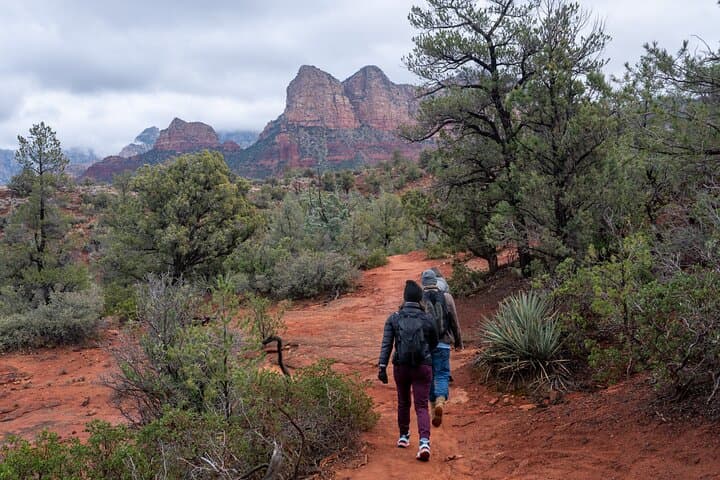
The morning light hits the red walls like a slow reveal: shadows peel away to expose striations of iron-rich sandstone, and the air already smells of warm dust and piñon. On ARRA’s private Sedona Red Rock Hike and Sights Tour, a small van drops the group where the pavement thins and the rocks begin to rise. The guide—born in Arizona and trained in wilderness medicine—checks boots and water, then points the way up a 2.4‑mile loop that climbs roughly 620 feet to an ‘‘island in the sky.’’
Verified experiences and guided adventures in the surrounding area.
Operated by ARRA · Sedona, Arizona
The morning light hits the red walls like a slow reveal: shadows peel away to expose striations of iron-rich sandstone, and the air already smells of warm dust and piñon. On ARRA’s private Sedona Red Rock Hike and Sights Tour, a small van drops the group where the pavement thins and the rocks begin to rise. The guide—born in Arizona and trained in wilderness medicine—checks boots and water, then points the way up a 2.4‑mile loop that climbs roughly 620 feet to an ‘‘island in the sky.’’
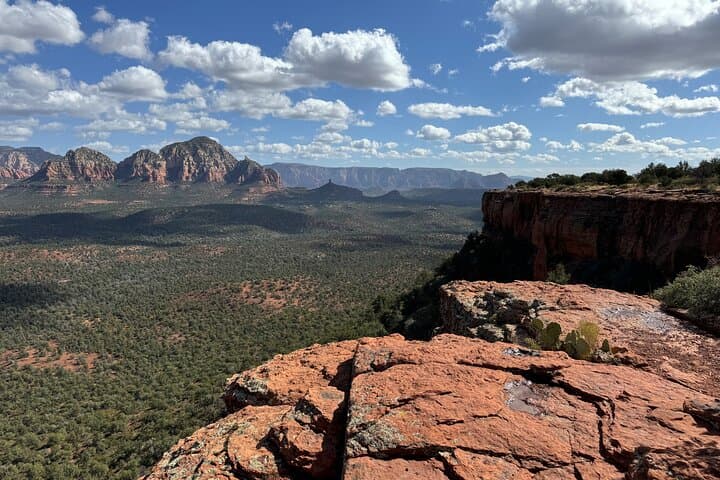
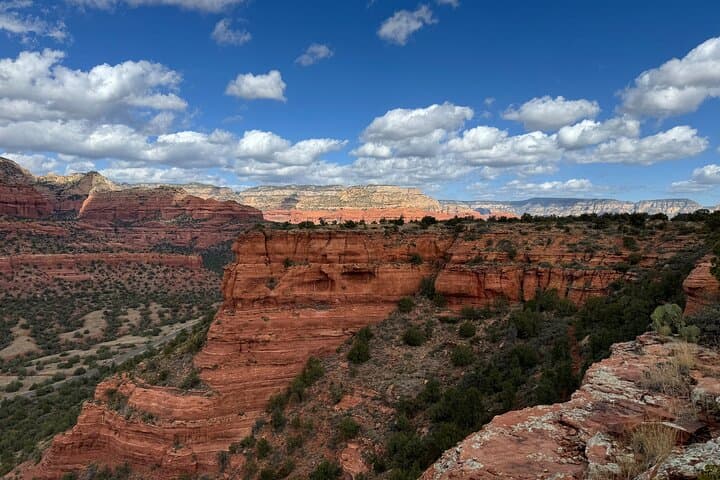
The hike opens with scrubby desert and juniper; the path narrows and asks for careful footwork where talus and slickrock meet. Once on the mesa, the trail skirts a rim that dare you to look over: a panorama of buttes and distant canyons, the golf course below reduced to a patchwork quilt. The geology here is honest—layers of the Schnebly Hill Formation laid down in a shallow sea millions of years ago, later uplifted and scoured into fins and ledges that now define Sedona’s skyline.
History and culture are never far. The area was once home to Sinagua and other Indigenous peoples whose rock art and dry‑farming sites pepper the region. Modern Sedona grew around an arts community—Tlaquepaque’s vine‑lined courtyards and galleries, modeled on traditional Mexican villages, feel like a deliberate pause after the exertion of the trail. The Chapel of the Holy Cross, set into the cliffs in 1956, offers a quieter kind of view—architecture meeting stone—and is an ideal stop to let the land settle in.
Practicality is built into the day. The guided component means no map reading is required, but the terrain demands respectful attention: sections of light scrambling require sure footing and steady knees. The tour includes bottled water, filtered water refills, snacks, disposable rain ponchos, and a private, air‑conditioned 14‑passenger van for pickup and drop‑off from local accommodations.
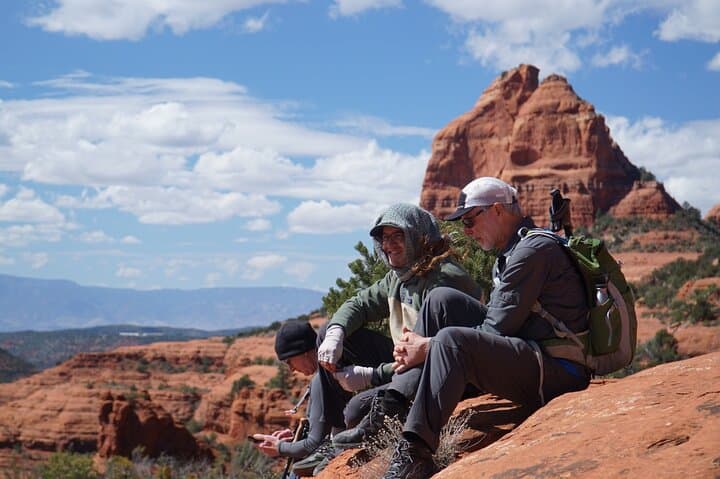
Timing matters—late morning brings heat and harsher light; golden hour tosses the rocks into deep, photographable warmth. Wear supportive hiking shoes, sun protection, and bring at least 1–2 liters of water per person. Because this is a private tour, routes and pacing are flexible: travelers can linger at viewpoints, explore Tlaquepaque’s galleries, or pause at the Chapel for a contemplative moment. Leave no trace: the desert recovers slowly, and staying on designated paths protects fragile cryptobiotic soil.
In short, the Sedona Red Rock Hike and Sights Tour condenses the best local ingredients—geology, short but spirited hiking, and cultural stops—into a single, private half‑day that suits travelers who want maximum payoff with minimal logistics.
moderate.
4–5 hours.
Suitable for people who do regular walking or light hiking; expect several short, steep pitches and light scrambling.
Yes; the tour includes flexible pickup from most hotels, vacation rentals, or a designated meeting spot within the service area.
The primary loop is 2.4 miles with about 620 feet of elevation gain and some light scrambling—moderate fitness and sure footing are recommended.
Children are welcome but should be able to handle short steeper sections; service animals are allowed but pets generally are not recommended on the trail portion.
The tour may be canceled for severe weather; rain ponchos are provided and the company offers a full refund if canceled at least 24 hours before departure.
Yes—because this is a private tour the guide can adjust stops and pace to match your group’s interests within the tour timeframe.
Public restrooms are available at major stops like Tlaquepaque and some trailheads; on‑trail facilities are limited, so plan accordingly.
The area was inhabited by Indigenous peoples such as the Sinagua; Sedona’s modern arts district grew in the 20th century, influenced by Southwestern and Mexican styles.
The red‑rock ecosystem is fragile—stay on marked trails, pack out waste, and avoid taking souvenirs of rock or plants.
ARRA operates guided outdoor trips and adventures with an emphasis on safety, stewardship, and memorable experiences.
The morning light hits the red walls like a slow reveal: shadows peel away to expose striations of iron-rich sandstone, and the air already smells of warm dust and piñon. On ARRA’s private Sedona Red Rock Hike and Sights Tour, a small van drops the group where the pavement thins and the rocks begin to rise. The guide—born in Arizona and trained in wilderness medicine—checks boots and water, then points the way up a 2.4‑mile loop that climbs roughly 620 feet to an ‘‘island in the sky.’’
The morning light hits the red walls like a slow reveal: shadows peel away to expose striations of iron-rich sandstone, and the air already smells of warm dust and piñon. On ARRA’s private Sedona Red Rock Hike and Sights Tour, a small van drops the group where the pavement thins and the rocks begin to rise. The guide—born in Arizona and trained in wilderness medicine—checks boots and water, then points the way up a 2.4‑mile loop that climbs roughly 620 feet to an ‘‘island in the sky.’’
The hike opens with scrubby desert and juniper; the path narrows and asks for careful footwork where talus and slickrock meet. Once on the mesa, the trail skirts a rim that dare you to look over: a panorama of buttes and distant canyons, the golf course below reduced to a patchwork quilt. The geology here is honest—layers of the Schnebly Hill Formation laid down in a shallow sea millions of years ago, later uplifted and scoured into fins and ledges that now define Sedona’s skyline.
History and culture are never far. The area was once home to Sinagua and other Indigenous peoples whose rock art and dry‑farming sites pepper the region. Modern Sedona grew around an arts community—Tlaquepaque’s vine‑lined courtyards and galleries, modeled on traditional Mexican villages, feel like a deliberate pause after the exertion of the trail. The Chapel of the Holy Cross, set into the cliffs in 1956, offers a quieter kind of view—architecture meeting stone—and is an ideal stop to let the land settle in.
Practicality is built into the day. The guided component means no map reading is required, but the terrain demands respectful attention: sections of light scrambling require sure footing and steady knees. The tour includes bottled water, filtered water refills, snacks, disposable rain ponchos, and a private, air‑conditioned 14‑passenger van for pickup and drop‑off from local accommodations.
Timing matters—late morning brings heat and harsher light; golden hour tosses the rocks into deep, photographable warmth. Wear supportive hiking shoes, sun protection, and bring at least 1–2 liters of water per person. Because this is a private tour, routes and pacing are flexible: travelers can linger at viewpoints, explore Tlaquepaque’s galleries, or pause at the Chapel for a contemplative moment. Leave no trace: the desert recovers slowly, and staying on designated paths protects fragile cryptobiotic soil.
In short, the Sedona Red Rock Hike and Sights Tour condenses the best local ingredients—geology, short but spirited hiking, and cultural stops—into a single, private half‑day that suits travelers who want maximum payoff with minimal logistics.