THE ADVENTURE COLLECTIVE® · Independent discovery and booking for outdoor travel

Put on military-grade night-vision goggles and watch Sedona's night sky transform — constellations sharpen, satellites glide, and unexpected lights can appear. This one-hour guided tour blends astronomy, local history, and UFO/UAP observation in the clear high-desert night.
Put on military-grade night-vision goggles and watch Sedona's night sky transform — constellations sharpen, satellites glide, and unexpected lights can appear. This one-hour guided tour blends astronomy, local history, and UFO/UAP observation in the clear high-desert night.
The night in Sedona drops like a curtain of ink, and the red rocks become black silhouettes against a vault of stars. On this guided night-vision tour you stand on desert soil while infrared goggles render the sky and landscape in an eerie, high-contrast world: constellations blaze, satellites trace slow lines, and unexpected objects can appear and vanish through the scope.
Verified experiences and guided adventures in the surrounding area.
Operated by Sedona UFO and Vortex Tours · Sedona, Arizona
The night in Sedona drops like a curtain of ink, and the red rocks become black silhouettes against a vault of stars. On this guided night-vision tour you stand on desert soil while infrared goggles render the sky and landscape in an eerie, high-contrast world: constellations blaze, satellites trace slow lines, and unexpected objects can appear and vanish through the scope.
Sedona sits on Permian red sandstone carved over millions of years; the same geology that makes the region visually dramatic also produces clear, high-desert nights because of elevation and low humidity. The area is ancestral land to Yavapai and Western Apache peoples — night skies here have long been part of oral traditions and seasonal navigation.
Culturally, stargazing tours here mix astronomy and contemporary UFO/UAP interest; some operators use military-grade night-vision to amplify faint lights. Expect a blend of astronomy basics, local anecdotes, and guided viewing for unexplained aerial phenomena.
Practically, tours run after sunset, often around an hour. Meeting points vary; guides confirm location and exact start time by text the day before. Terrain is usually short, flat walks across dirt or small rock; accessible to most fitness levels. Bring warm layers, a red-light headlamp, and closed-toe shoes. Respect dark-sky etiquette: keep voices low, minimize white lights, and follow your guide for vehicle and parking rules.
If you go, arrive with an open mind and realistic expectations: spectacular stargazing is guaranteed on clear nights; sightings of unidentified lights are opportunistic. This is night adventure tourism that combines science, curiosity, and a touch of the uncanny.
easy.
1 hour.
Suitable for most fitness levels; requires short, flat walks and standing for observation
The experience runs about 60 minutes; exact start time varies by sunset and the guide will confirm details by text the day before.
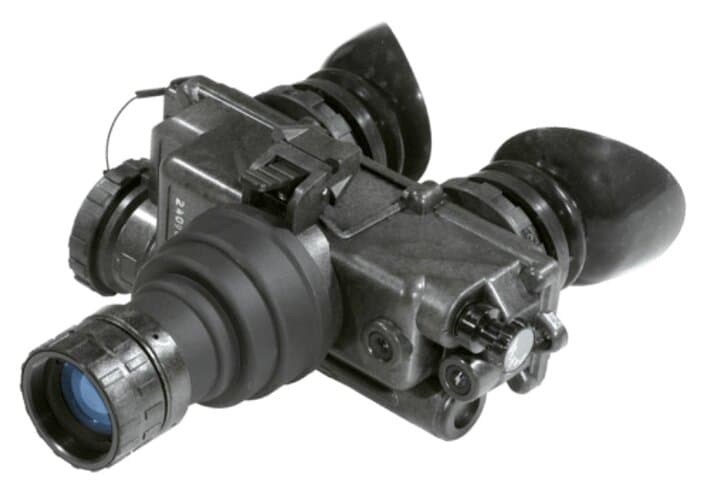
This operator provides one-third-generation night-vision goggle per booking as their standard—price listed is per goggle rather than per person.
The tour is described as suitable for all physical fitness levels; short, flat walks are typical but check with the operator about specific mobility needs.
Clear stargazing is essentially guaranteed on clear nights; sightings of unidentified lights are opportunistic and depend on activity that evening.
Sedona's red sandstone is part of Permian formations and the area lies on ancestral Yavapai and Western Apache lands where night sky knowledge has cultural resonance.
Dark-sky awareness is important here; minimize artificial light, stay on established access areas, and avoid disrupting nocturnal wildlife to protect the night environment.
Sedona UFO and Vortex Tours operates guided outdoor trips and adventures with an emphasis on safety, stewardship, and memorable experiences.
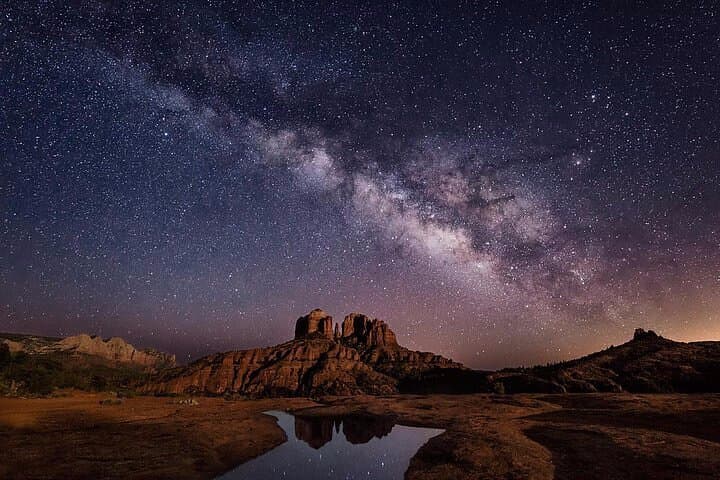
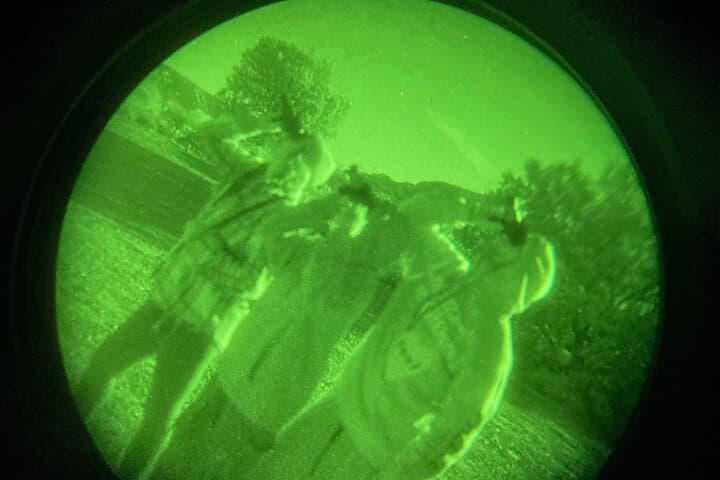
The night in Sedona drops like a curtain of ink, and the red rocks become black silhouettes against a vault of stars. On this guided night-vision tour you stand on desert soil while infrared goggles render the sky and landscape in an eerie, high-contrast world: constellations blaze, satellites trace slow lines, and unexpected objects can appear and vanish through the scope.
The night in Sedona drops like a curtain of ink, and the red rocks become black silhouettes against a vault of stars. On this guided night-vision tour you stand on desert soil while infrared goggles render the sky and landscape in an eerie, high-contrast world: constellations blaze, satellites trace slow lines, and unexpected objects can appear and vanish through the scope.
Sedona sits on Permian red sandstone carved over millions of years; the same geology that makes the region visually dramatic also produces clear, high-desert nights because of elevation and low humidity. The area is ancestral land to Yavapai and Western Apache peoples — night skies here have long been part of oral traditions and seasonal navigation.
Culturally, stargazing tours here mix astronomy and contemporary UFO/UAP interest; some operators use military-grade night-vision to amplify faint lights. Expect a blend of astronomy basics, local anecdotes, and guided viewing for unexplained aerial phenomena.
Practically, tours run after sunset, often around an hour. Meeting points vary; guides confirm location and exact start time by text the day before. Terrain is usually short, flat walks across dirt or small rock; accessible to most fitness levels. Bring warm layers, a red-light headlamp, and closed-toe shoes. Respect dark-sky etiquette: keep voices low, minimize white lights, and follow your guide for vehicle and parking rules.
If you go, arrive with an open mind and realistic expectations: spectacular stargazing is guaranteed on clear nights; sightings of unidentified lights are opportunistic. This is night adventure tourism that combines science, curiosity, and a touch of the uncanny.