THE ADVENTURE COLLECTIVE® · Independent discovery and booking for outdoor travel

Lift off from Sedona’s mesa for a 20-minute, 30-mile flight that threads past Cathedral Rock, Devil’s Bridge, and hidden Sinagua cliff dwellings. It’s a fast, vivid primer on the red rock country—equal parts geology lesson and time travel—delivered with smooth narration and big views.
Lift off from Sedona’s mesa for a 20-minute, 30-mile flight that threads past Cathedral Rock, Devil’s Bridge, and hidden Sinagua cliff dwellings. It’s a fast, vivid primer on the red rock country—equal parts geology lesson and time travel—delivered with smooth narration and big views.
Rotors spin against the morning sky and the mesa hums to life. From Sedona Airport, the helicopter lifts, light as a hawk, and the red rock country widens beneath you. Cathedral Rock rises to eye level, its rust-colored fins catching the sun like hot iron. Oak Creek threads the valley, flashing silver as it winds past cottonwoods that hold tight to their shade. The pilot banks toward Boynton and Long canyons, where sandstone walls hide cliff dwellings tucked into pale alcoves—stonework older than the flagstaff pines that ring them.
Verified experiences and guided adventures in the surrounding area.
Operated by Apex Air Tours · Sedona, Arizona
Rotors spin against the morning sky and the mesa hums to life. From Sedona Airport, the helicopter lifts, light as a hawk, and the red rock country widens beneath you. Cathedral Rock rises to eye level, its rust-colored fins catching the sun like hot iron. Oak Creek threads the valley, flashing silver as it winds past cottonwoods that hold tight to their shade. The pilot banks toward Boynton and Long canyons, where sandstone walls hide cliff dwellings tucked into pale alcoves—stonework older than the flagstaff pines that ring them.
This 20–22 minute flight covers more than 30 miles of northern Arizona’s most iconic geology. The layers read like a roadside textbook: the deep time of Schnebly Hill Sandstone and Coconino Sandstone, uplifted and carved by water and wind, with the Oak Creek Fault prying open slickrock canyons. As you skim past Bell Rock, Courthouse Butte, and the sculpted knuckles of the Cowpies, the landscape seems to shift on purpose—spires leaning, mesas squaring their shoulders, canyons inviting you deeper and daring you to look down.
Human history here is equally layered. The Sinagua people built their homes into these cliffs around 1100–1400 CE, trading widely and farming in lean country. From the air, the ruins read as quiet geometry—rooms and ledges aligned with light and season. They’re protected and mostly inaccessible without long, off-trail searches; this flight shows them respectfully and from the legally required distance, giving you context without the wear on fragile sites.
The tour loops through Secret Canyon and along Seven Canyons before swinging toward Devil’s Bridge—a natural sandstone span—then back over Coffee Pot Rock and the chapel tucked into the hillside. Views shift fast, like turning pages. The helicopter settles into the rhythm of the country, climbing with the rim, dipping along drainages, letting you trace trails and jeep roads from a vantage where the map finally makes sense.
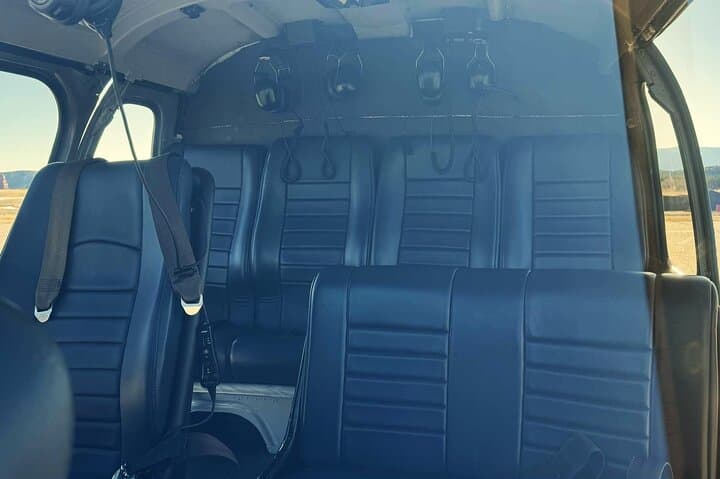
Planning is straightforward. Check in 30 minutes early; flights run on a tight schedule. All seats face forward and include noise-reducing headsets with mics, so narration is clear for photos and questions. Dress in layers—cabins are typically warmer than outside, but desert air can swing. Leave bags behind; space is limited. Cameras and capped water bottles are welcome. Weight and balance matter in helicopters, so expect your weight to be recorded and seating to be assigned. Mornings and late afternoons usually bring smoother air and better light, while midday can add heat shimmer and bumps. Weather calls are conservative; if the desert decides to kick up wind or cloud, you’ll be rescheduled or refunded. What you’ll remember is simple: Sedona’s red rock story told from above, where the geology speaks and the canyons keep their secrets—with just enough revealed to make you want to learn more.
easy.
20–22 minutes.
Suitable for most travelers; brief boarding step. Wheelchair-accessible options available—coordinate in advance.
The tour lasts about 20–22 minutes and covers more than 30 miles over Sedona’s red rock formations and canyons.
Flights depart from Sedona Airport on Airport Mesa; check in 30 minutes before your scheduled time.
All ages can fly; infants ride on a guardian’s lap. For safety, passenger weights are recorded and weight-and-balance limits may affect seating or availability.
Wear dark, comfortable layers and closed-toe shoes. Bring a camera/phone with a wrist strap and a small, capped water bottle. Bags and purses are not allowed.
Flights operate weather permitting. If conditions aren’t safe, the operator will reschedule or issue a refund according to policy.
Crew assigns seats to balance the aircraft. You can request a preference, but safety and weight distribution take priority.
The Sinagua inhabited this region between roughly 1100–1400 CE, building cliff dwellings and granaries aligned to terrain and season. Later, Yavapai and Apache communities moved through the area before Euro-American ranching and tourism reshaped the valley.
Ruins are protected archaeological sites—exact locations are intentionally undisclosed to prevent damage. Scenic flights follow noise-abatement routes; on the ground, stick to established trails and observe raptor nesting closures.
Apex Air Tours operates guided outdoor trips and adventures with an emphasis on safety, stewardship, and memorable experiences.


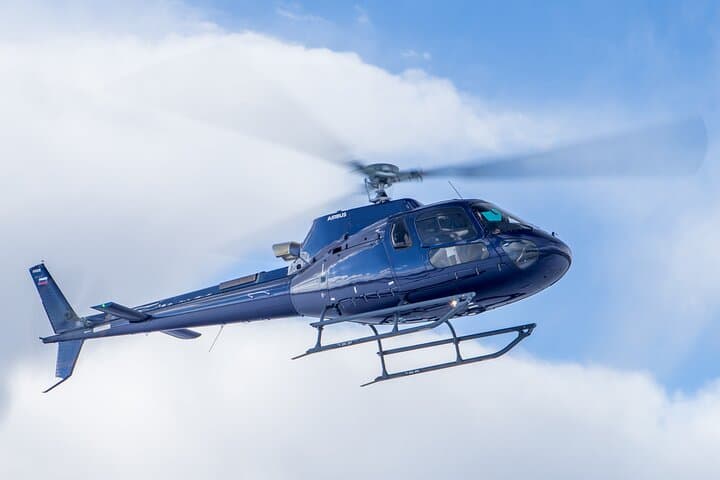
Rotors spin against the morning sky and the mesa hums to life. From Sedona Airport, the helicopter lifts, light as a hawk, and the red rock country widens beneath you. Cathedral Rock rises to eye level, its rust-colored fins catching the sun like hot iron. Oak Creek threads the valley, flashing silver as it winds past cottonwoods that hold tight to their shade. The pilot banks toward Boynton and Long canyons, where sandstone walls hide cliff dwellings tucked into pale alcoves—stonework older than the flagstaff pines that ring them.
Rotors spin against the morning sky and the mesa hums to life. From Sedona Airport, the helicopter lifts, light as a hawk, and the red rock country widens beneath you. Cathedral Rock rises to eye level, its rust-colored fins catching the sun like hot iron. Oak Creek threads the valley, flashing silver as it winds past cottonwoods that hold tight to their shade. The pilot banks toward Boynton and Long canyons, where sandstone walls hide cliff dwellings tucked into pale alcoves—stonework older than the flagstaff pines that ring them.
This 20–22 minute flight covers more than 30 miles of northern Arizona’s most iconic geology. The layers read like a roadside textbook: the deep time of Schnebly Hill Sandstone and Coconino Sandstone, uplifted and carved by water and wind, with the Oak Creek Fault prying open slickrock canyons. As you skim past Bell Rock, Courthouse Butte, and the sculpted knuckles of the Cowpies, the landscape seems to shift on purpose—spires leaning, mesas squaring their shoulders, canyons inviting you deeper and daring you to look down.
Human history here is equally layered. The Sinagua people built their homes into these cliffs around 1100–1400 CE, trading widely and farming in lean country. From the air, the ruins read as quiet geometry—rooms and ledges aligned with light and season. They’re protected and mostly inaccessible without long, off-trail searches; this flight shows them respectfully and from the legally required distance, giving you context without the wear on fragile sites.
The tour loops through Secret Canyon and along Seven Canyons before swinging toward Devil’s Bridge—a natural sandstone span—then back over Coffee Pot Rock and the chapel tucked into the hillside. Views shift fast, like turning pages. The helicopter settles into the rhythm of the country, climbing with the rim, dipping along drainages, letting you trace trails and jeep roads from a vantage where the map finally makes sense.
Planning is straightforward. Check in 30 minutes early; flights run on a tight schedule. All seats face forward and include noise-reducing headsets with mics, so narration is clear for photos and questions. Dress in layers—cabins are typically warmer than outside, but desert air can swing. Leave bags behind; space is limited. Cameras and capped water bottles are welcome. Weight and balance matter in helicopters, so expect your weight to be recorded and seating to be assigned. Mornings and late afternoons usually bring smoother air and better light, while midday can add heat shimmer and bumps. Weather calls are conservative; if the desert decides to kick up wind or cloud, you’ll be rescheduled or refunded. What you’ll remember is simple: Sedona’s red rock story told from above, where the geology speaks and the canyons keep their secrets—with just enough revealed to make you want to learn more.