THE ADVENTURE COLLECTIVE® · Independent discovery and booking for outdoor travel

Watch Sedona’s red rocks surrender to night on a private, guide-led sunset and dark-sky hike. Expect a customizable 3-hour outing that blends geology, nocturnal wildlife, and stargazing with pro gear and local insight.
Watch Sedona’s red rocks surrender to night on a private, guide-led sunset and dark-sky hike. Expect a customizable 3-hour outing that blends geology, nocturnal wildlife, and stargazing with pro gear and local insight.
You arrive as the light thins and the red rocks of Sedona shift from copper to deep plum. The trail slips away from the last parking light and your guide points to a crevice where owls begin their evening calls; the first stars prick through like pinholes in velvet. The group moves deliberately, pausing at a skyline of hoodoos to watch the sun dissolve and the Milky Way climb overhead.
Verified experiences and guided adventures in the surrounding area.
Operated by Trail Lovers Excursions · Sedona, Arizona
You arrive as the light thins and the red rocks of Sedona shift from copper to deep plum. The trail slips away from the last parking light and your guide points to a crevice where owls begin their evening calls; the first stars prick through like pinholes in velvet. The group moves deliberately, pausing at a skyline of hoodoos to watch the sun dissolve and the Milky Way climb overhead.
Sedona sits on uplifted Permian sandstone carved by eons of wind and intermittent water, and the rims here expose layered geologic time. The region is also ancestral land to Yavapai and Apache peoples; guides commonly share local plant uses and cultural notes as part of the experience. Arizona’s dark-sky protections and low light pollution make this area one of the best night-sky venues in the continental U.S.
Practically, expect 3 hours of guided movement that can be tailored from easy strolls to strenuous switchbacks depending on your group's fitness. The route uses compact desert singletrack with some slickrock sections and moderate elevation change; careful footing is required after dusk. Guides provide headlamps, thermal and night-vision optics, snacks, water and optional trekking poles. Timing at sunset is the mission — arrive hydrated, dress in layers (desert nights cool quickly), and keep noise to a minimum to improve wildlife sightings.
Photography works best if you bring a tripod and a camera capable of long exposures; otherwise, guides’ thermal cameras and night-vision help you spot coyotes, owls, and small mammals. This is a curated night out: part natural history, part astronomy, and wholly a different way to meet Sedona’s landscape.
moderate.
3 hours.
Suitable for people who can hike 3–5 miles with some elevation change; guides can adjust pace.
Difficulty is customizable from easy to strenuous; expect uneven desert singletrack and some slickrock—guides match routes to group ability.
Policies vary; small children may be less safe after dark—check with the operator about age limits and recommendations.
Not guaranteed, but night-vision and thermal gear increase chances of spotting nocturnal mammals and birds; sightings depend on season and noise levels.
Yes—many trailheads require a Red Rock Pass for parking; the tour notes include parking fees in the inclusions.
Sedona’s red-rock country is formed from Permian-age sandstone; the area is also traditional land of the Yavapai and Apache, and local guides often reference Indigenous plant knowledge.
Dark-sky stewardship is active here—minimizing light pollution and staying on trails protects nocturnal ecosystems and fragile soils.
Trail Lovers Excursions operates guided outdoor trips and adventures with an emphasis on safety, stewardship, and memorable experiences.

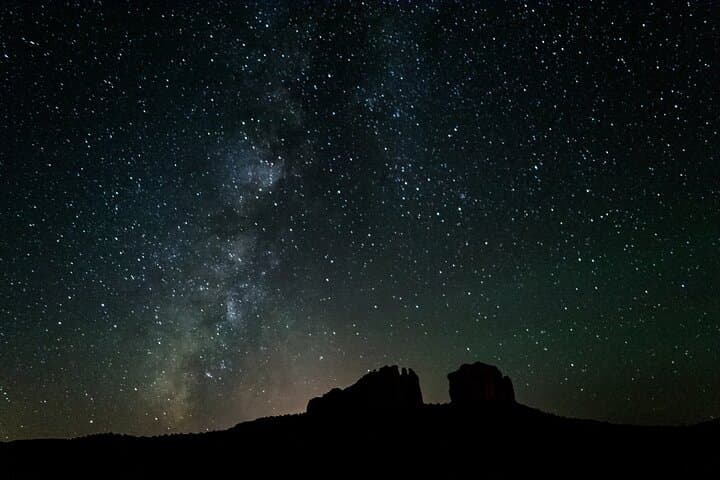

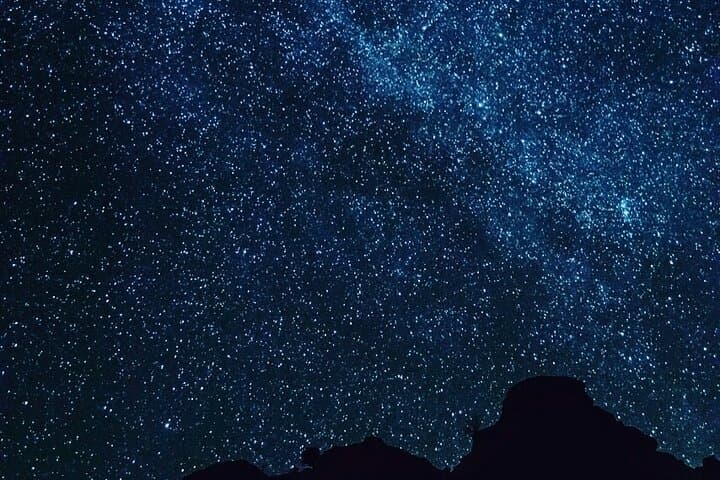
You arrive as the light thins and the red rocks of Sedona shift from copper to deep plum. The trail slips away from the last parking light and your guide points to a crevice where owls begin their evening calls; the first stars prick through like pinholes in velvet. The group moves deliberately, pausing at a skyline of hoodoos to watch the sun dissolve and the Milky Way climb overhead.
You arrive as the light thins and the red rocks of Sedona shift from copper to deep plum. The trail slips away from the last parking light and your guide points to a crevice where owls begin their evening calls; the first stars prick through like pinholes in velvet. The group moves deliberately, pausing at a skyline of hoodoos to watch the sun dissolve and the Milky Way climb overhead.
Sedona sits on uplifted Permian sandstone carved by eons of wind and intermittent water, and the rims here expose layered geologic time. The region is also ancestral land to Yavapai and Apache peoples; guides commonly share local plant uses and cultural notes as part of the experience. Arizona’s dark-sky protections and low light pollution make this area one of the best night-sky venues in the continental U.S.
Practically, expect 3 hours of guided movement that can be tailored from easy strolls to strenuous switchbacks depending on your group's fitness. The route uses compact desert singletrack with some slickrock sections and moderate elevation change; careful footing is required after dusk. Guides provide headlamps, thermal and night-vision optics, snacks, water and optional trekking poles. Timing at sunset is the mission — arrive hydrated, dress in layers (desert nights cool quickly), and keep noise to a minimum to improve wildlife sightings.
Photography works best if you bring a tripod and a camera capable of long exposures; otherwise, guides’ thermal cameras and night-vision help you spot coyotes, owls, and small mammals. This is a curated night out: part natural history, part astronomy, and wholly a different way to meet Sedona’s landscape.