THE ADVENTURE COLLECTIVE® · Independent discovery and booking for outdoor travel

Play a two-hour, GPS‑based scavenger hunt through Tilburg’s historic center. Solve puzzles, complete photo tasks, and uncover local stories—from textile-era warehouses to Spoorzone’s cultural corners.
Play a two-hour, GPS‑based scavenger hunt through Tilburg’s historic center. Solve puzzles, complete photo tasks, and uncover local stories—from textile-era warehouses to Spoorzone’s cultural corners.
You tap the screen, and the cobblestones of Tilburg's old center begin to rearrange themselves into a puzzle. Streets seem to lean in, daring you to notice carved dates on doorframes, murals tucked behind cafés, and alleyways that hum with industrial echoes.
Verified experiences and guided adventures in the surrounding area.
Operated by City Game · Tilburg, North Brabant
You tap the screen, and the cobblestones of Tilburg's old center begin to rearrange themselves into a puzzle. Streets seem to lean in, daring you to notice carved dates on doorframes, murals tucked behind cafés, and alleyways that hum with industrial echoes.
Tilburg grew from a booming 19th‑century textile town into a city that wears its factory past openly: converted warehouses, railway yards repurposed as culture hubs, and the TextielMuseum celebrating craft and design. Geologically the region is flat riverine plain—easy underfoot—so the city's character is shaped less by mountains than by brick, rails, and canals that once moved goods and now move people.
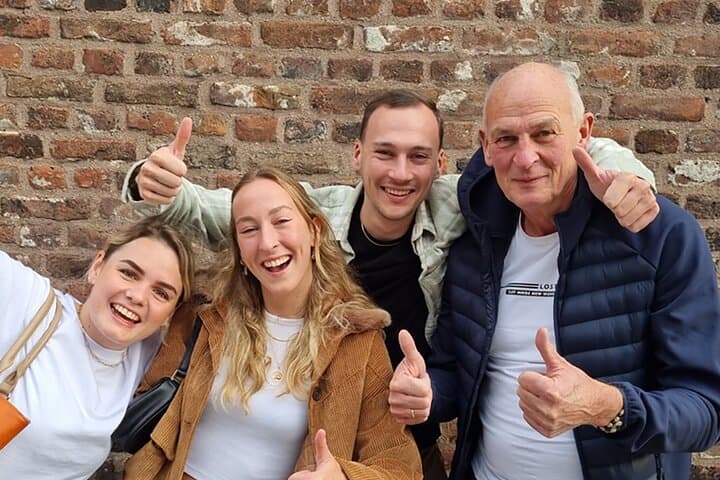
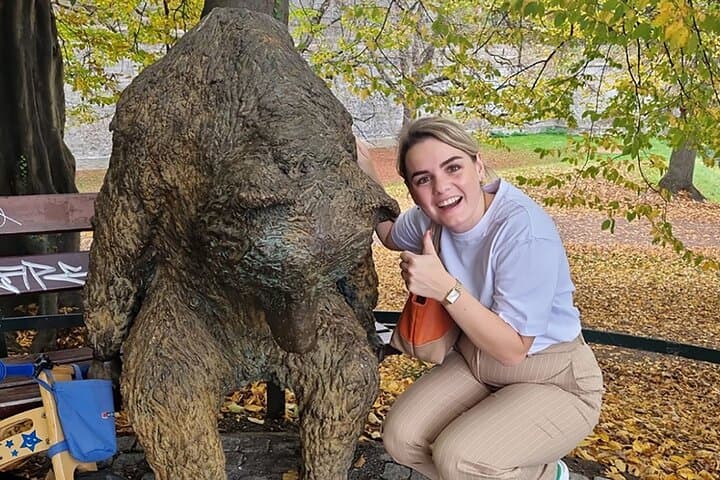
The game steers you through cultural highlights and overlooked details: public art in the Spoorzone, the sculptural rhythm of former mills, and local lore about characters who changed the city's course. Expect short walks between stops, photo challenges that ask you to look twice, and riddles rooted in Tilburg's civic history.
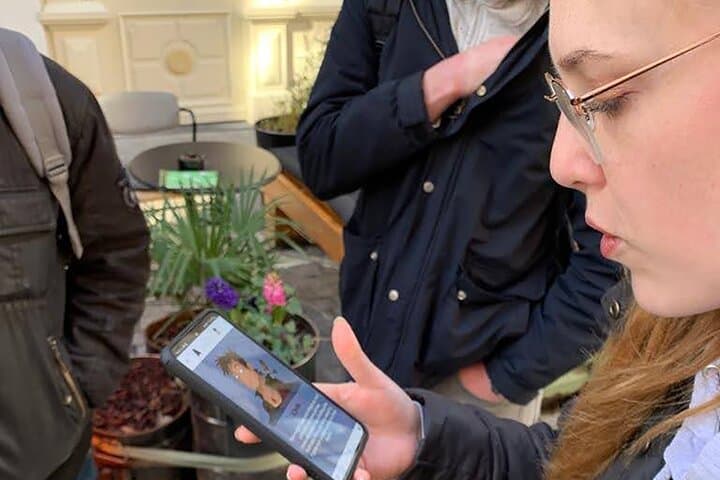
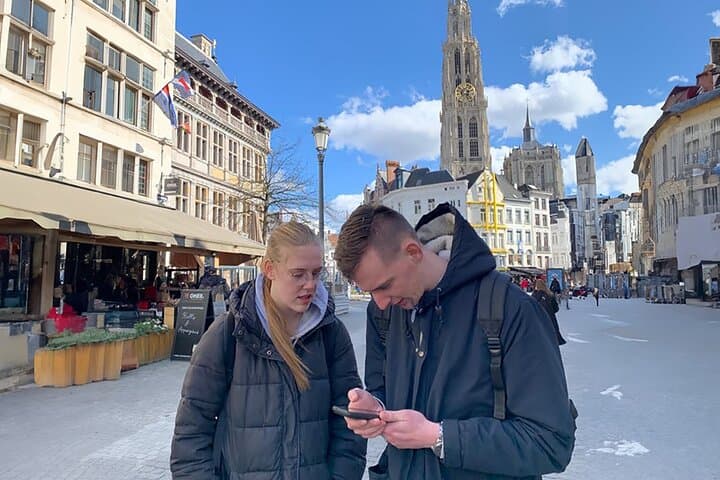
Practically, this is a two‑hour, phone‑led exploration best started from the central square or train station. Bring a fully charged smartphone and a data plan or local Wi‑Fi. Play at your own pace—pause, compare answers, or turn the hunt into a friendly race. Small groups work well (one device per group), and the route is accessible for most walkers, though uneven paving appears in older blocks.
Finish with a coffee at a nearby café and you’ll leave not only with points, but with a sharper sense of how Tilburg turned industry into identity.
moderate.
2 hours.
Suitable for most people who can walk 3–5 km at a steady pace; frequent stops reduce exertion.
One ticket supports a group of 1–4 players using a single device; for groups larger than four, purchase additional tickets.
Yes—the game runs in the Loquiz app; you’ll receive download and login instructions by email after booking.
You book a date/time but may start whenever you like on that day; the game is self‑guided and pausable.
Much of the city center is accessible, but some older streets have uneven cobbles and occasional steps—check specific segments during play or choose an accessible route option.
Tilburg rose as a textile center in the 19th century; many former mills and rail yards have been repurposed into cultural venues and museums.
Respect historic streets and private property while playing; favor public transport or walking to reduce local traffic and support sustainable tourism.
City Game operates guided outdoor trips and adventures with an emphasis on safety, stewardship, and memorable experiences.
You tap the screen, and the cobblestones of Tilburg's old center begin to rearrange themselves into a puzzle. Streets seem to lean in, daring you to notice carved dates on doorframes, murals tucked behind cafés, and alleyways that hum with industrial echoes.
You tap the screen, and the cobblestones of Tilburg's old center begin to rearrange themselves into a puzzle. Streets seem to lean in, daring you to notice carved dates on doorframes, murals tucked behind cafés, and alleyways that hum with industrial echoes.
Tilburg grew from a booming 19th‑century textile town into a city that wears its factory past openly: converted warehouses, railway yards repurposed as culture hubs, and the TextielMuseum celebrating craft and design. Geologically the region is flat riverine plain—easy underfoot—so the city's character is shaped less by mountains than by brick, rails, and canals that once moved goods and now move people.
The game steers you through cultural highlights and overlooked details: public art in the Spoorzone, the sculptural rhythm of former mills, and local lore about characters who changed the city's course. Expect short walks between stops, photo challenges that ask you to look twice, and riddles rooted in Tilburg's civic history.
Practically, this is a two‑hour, phone‑led exploration best started from the central square or train station. Bring a fully charged smartphone and a data plan or local Wi‑Fi. Play at your own pace—pause, compare answers, or turn the hunt into a friendly race. Small groups work well (one device per group), and the route is accessible for most walkers, though uneven paving appears in older blocks.
Finish with a coffee at a nearby café and you’ll leave not only with points, but with a sharper sense of how Tilburg turned industry into identity.