THE ADVENTURE COLLECTIVE® · Independent discovery and booking for outdoor travel

A flexible six-hour tour through the Moravian Karst that pairs baroque pilgrimage sites, industrial monuments and dramatic karst caves like Macocha and Balcarka. Tailored stops and local guiding make this a compact, immersive introduction to one of Central Europe’s most dynamic karst landscapes.
A flexible six-hour tour through the Moravian Karst that pairs baroque pilgrimage sites, industrial monuments and dramatic karst caves like Macocha and Balcarka. Tailored stops and local guiding make this a compact, immersive introduction to one of Central Europe’s most dynamic karst landscapes.
You step out of the vehicle to a hush broken only by the wind moving through limestone trees; the Macocha abyss gapes ahead, a vertical theatre where shadow and light trade places. The guide adjusts the route to your pace and you move from baroque churchyards into cool cave mouths, the earth itself seeming to lean in to watch.
Verified experiences and guided adventures in the surrounding area.
Operated by Carcatta · Blansko, South Moravian
You step out of the vehicle to a hush broken only by the wind moving through limestone trees; the Macocha abyss gapes ahead, a vertical theatre where shadow and light trade places. The guide adjusts the route to your pace and you move from baroque churchyards into cool cave mouths, the earth itself seeming to lean in to watch.
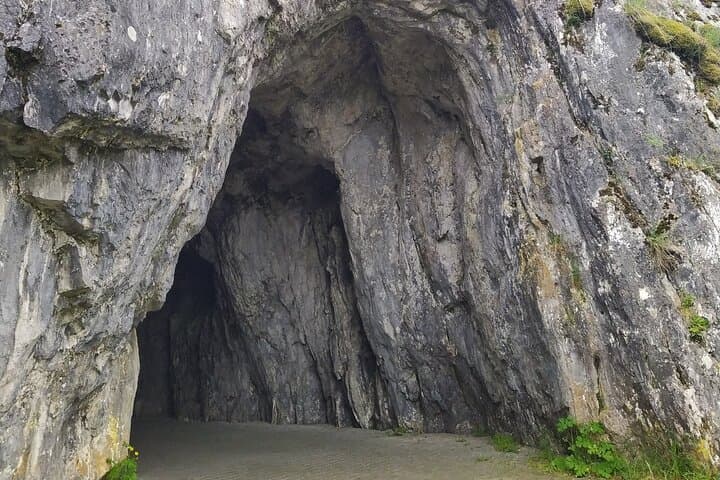
The Moravian Karst is carved from Devonian limestone and shaped by millennia of underground rivers. You’ll pass Santini-Aichel’s Baroque pilgrimage church at Křtiny, admire the neo-Gothic Church of St. Barbara in Adamov, and trace early industrial traces at Františka’s Ironworks — each stop a layer of human and geological history. The Macocha Abyss and Punkva system exemplify active karstification: sinkholes, chimneys, and cavern domes formed as water dissolved rock and daring currents cut new passages.
Culturally this region blends Marian pilgrimage traditions with mining and smelter heritage; archaeological finds like Býčí skála’s bronze bull point to human presence back to the Hallstatt period. Conservation rules protect delicate speleothems and cave fauna — mainly bats — so respect barriers and avoid touching formations.
Practicalities: the tour runs about six to seven hours with door-to-door transport in an air-conditioned vehicle. Expect short, sometimes steep walks and confined cave paths; bring sturdy footwear, layers, and a small daypack. Hydrate, accept locally provided water, and ask about alternate stops if mobility limits your party. Timing mid-morning avoids larger coach groups and catches caves at a comfortable temperature.
moderate.
6–7 hours.
Moderate fitness: able to walk on uneven ground, climb short flights of steps and manage some narrow passages.
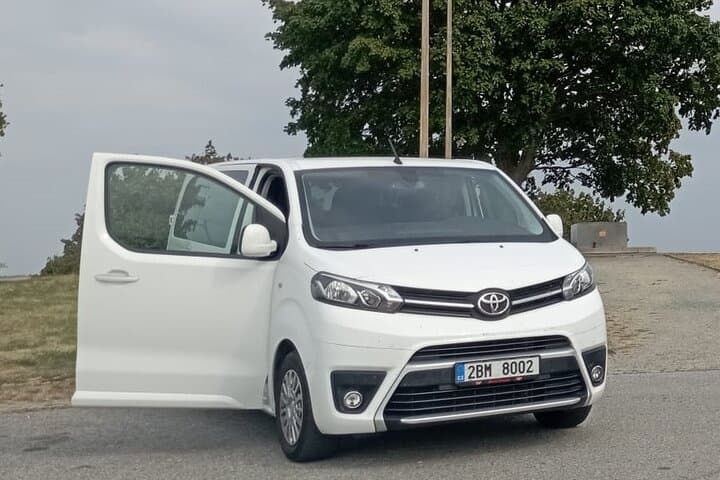
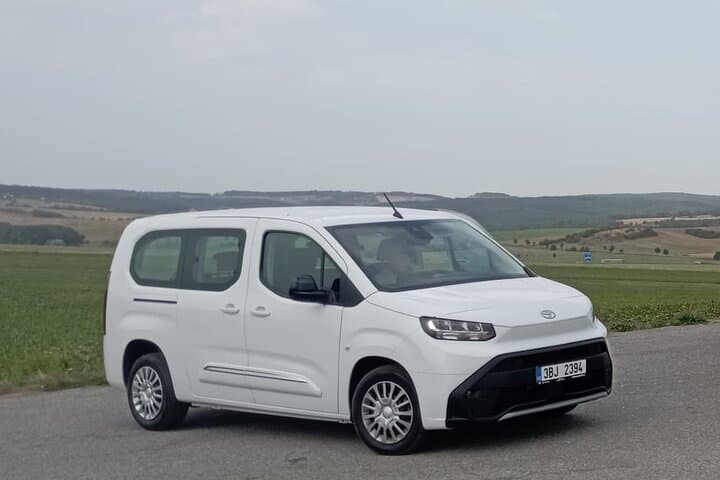
Yes—comfortable, air-conditioned vehicle transport between stops is included in the tour price.
Some cave entrances on the itinerary require separate admission or local fees; check the booking details or ask the guide ahead of time.
The tour is family-friendly but includes some physically demanding stops; operators can tailor the route to fitness levels—inform them when booking.
Photography is generally allowed on surface sites; some caves restrict flash or tripods to protect formations—follow posted rules and guide instructions.
The Moravian Karst has been shaped by both natural karst processes and human activity from Hallstatt-era ritual finds to 19th-century ironworks and quarrying.
The area is a protected landscape; visitors should stay on marked trails, avoid touching speleothems, and respect seasonal cave closures to protect bat roosts and fragile formations.
Carcatta operates guided outdoor trips and adventures with an emphasis on safety, stewardship, and memorable experiences.
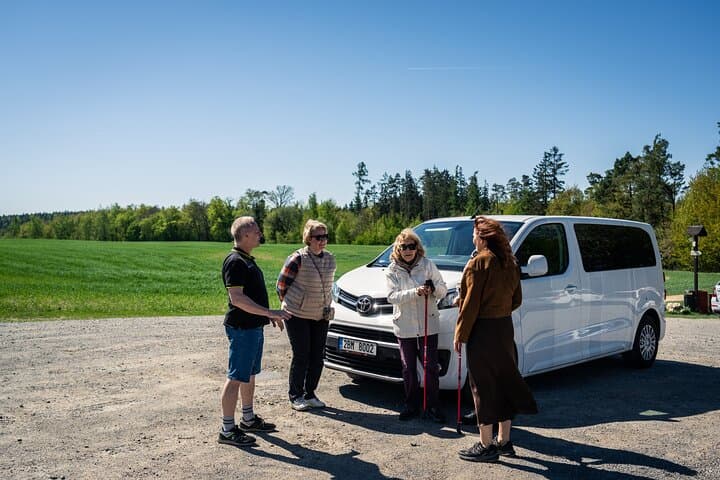
You step out of the vehicle to a hush broken only by the wind moving through limestone trees; the Macocha abyss gapes ahead, a vertical theatre where shadow and light trade places. The guide adjusts the route to your pace and you move from baroque churchyards into cool cave mouths, the earth itself seeming to lean in to watch.
You step out of the vehicle to a hush broken only by the wind moving through limestone trees; the Macocha abyss gapes ahead, a vertical theatre where shadow and light trade places. The guide adjusts the route to your pace and you move from baroque churchyards into cool cave mouths, the earth itself seeming to lean in to watch.
The Moravian Karst is carved from Devonian limestone and shaped by millennia of underground rivers. You’ll pass Santini-Aichel’s Baroque pilgrimage church at Křtiny, admire the neo-Gothic Church of St. Barbara in Adamov, and trace early industrial traces at Františka’s Ironworks — each stop a layer of human and geological history. The Macocha Abyss and Punkva system exemplify active karstification: sinkholes, chimneys, and cavern domes formed as water dissolved rock and daring currents cut new passages.
Culturally this region blends Marian pilgrimage traditions with mining and smelter heritage; archaeological finds like Býčí skála’s bronze bull point to human presence back to the Hallstatt period. Conservation rules protect delicate speleothems and cave fauna — mainly bats — so respect barriers and avoid touching formations.
Practicalities: the tour runs about six to seven hours with door-to-door transport in an air-conditioned vehicle. Expect short, sometimes steep walks and confined cave paths; bring sturdy footwear, layers, and a small daypack. Hydrate, accept locally provided water, and ask about alternate stops if mobility limits your party. Timing mid-morning avoids larger coach groups and catches caves at a comfortable temperature.