THE ADVENTURE COLLECTIVE® · Independent discovery and booking for outdoor travel

Turn Singapore’s historic core into a playable map: solve GPS puzzles, complete photo tasks and uncover local stories off the usual tourist trail. This self-guided game pairs concise urban history with hands-on discovery for small groups or solo explorers.
Turn Singapore’s historic core into a playable map: solve GPS puzzles, complete photo tasks and uncover local stories off the usual tourist trail. This self-guided game pairs concise urban history with hands-on discovery for small groups or solo explorers.
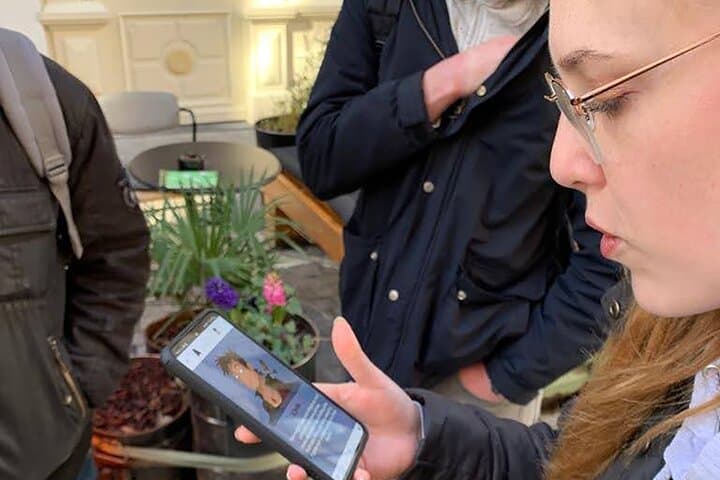
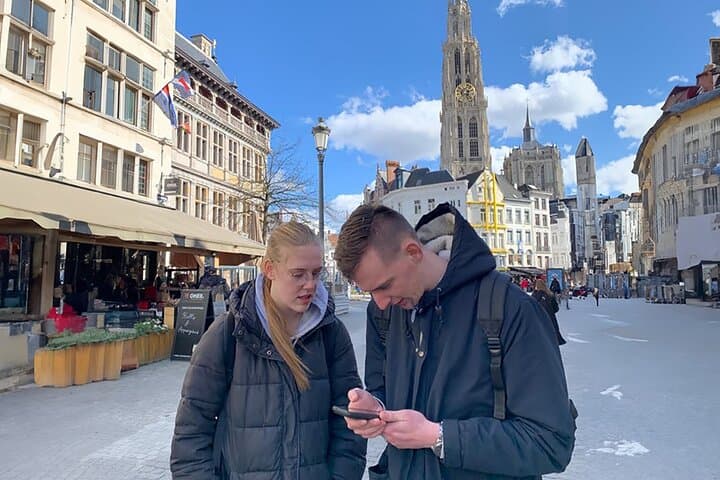
Morning light skims glass towers while the pavement smells faintly of coffee and steamed bao — that’s where this self-guided exploration begins. Players follow GPS prompts on the Loquiz app, moving through the Civic District, Chinatown lanes and unexpected alleys where murals, clan houses and colonial facades sit shoulder to shoulder.
Verified experiences and guided adventures in the surrounding area.
Operated by City Game · Singapore, Singapore
Morning light skims glass towers while the pavement smells faintly of coffee and steamed bao — that’s where this self-guided exploration begins. Players follow GPS prompts on the Loquiz app, moving through the Civic District, Chinatown lanes and unexpected alleys where murals, clan houses and colonial facades sit shoulder to shoulder.
Singapore’s streets tell a compressed history: pre-colonial Malay settlements, 19th-century British planning around Fort Canning’s granite ridge, and later waves of Chinese and Indian migration. The island’s geology is modest — ancient granite and reclaimed coastline — but human engineering dominates: reclaimed quays, planned green corridors and restored shophouses that now host hawker stalls and galleries.
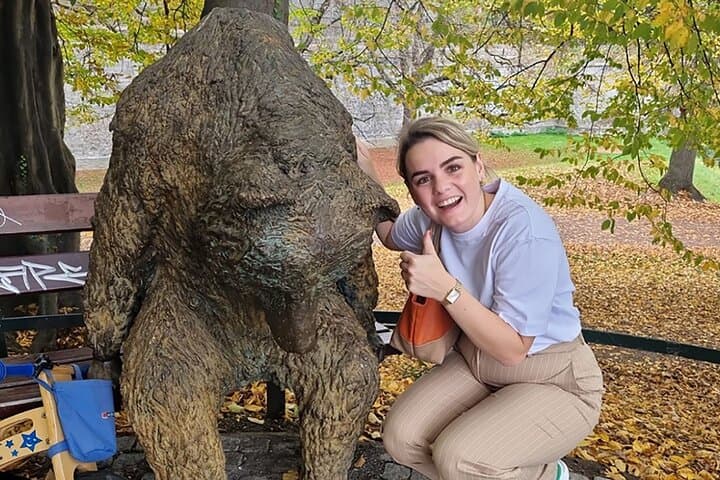
Culturally, the game surfaces local characters and food traditions: from Kampong Glam’s Malay artisans to Little India’s spice-scented lanes and the communal logic of hawker centres. Expect puzzles that point to plaques, statues and architectural details many visitors miss.
Practically, the experience runs about two hours, requires only a smartphone with data, and is best started early to avoid midday heat and crowds. Wear comfortable walking shoes, carry water, and keep a portable charger — clues and photo tasks can be battery-heavy. Public transport connects the start and finish points, and the game’s self-paced format works for solo players, couples, or small teams.
This is urban exploration focused on observation and problem-solving rather than strenuous exercise. Players leave with a sharper sense of Singapore’s layered past and how everyday places hold hidden stories.
moderate.
2 hours.
Light walking on paved city streets; suitable for most fitness levels but requires standing and short bursts of movement.
One ticket covers a group of 1–4 people using a single device; larger groups should purchase multiple tickets so each subgroup can play separately.
You select a date/time when booking, but the game is self-guided and can be started whenever you like on that day.
Much of the route follows paved sidewalks and public plazas, but some older streets have uneven surfaces — check local accessibility at specific sites before starting.
The game continues in light rain — waterproof your phone and consider a rain jacket; heavy storms may make some outdoor tasks difficult.
Singapore’s urban core reflects layers of colonial planning, immigrant communities, and late-20th-century land reclamation that reshaped the coastline and public spaces.
City parks and mangrove restorations are actively managed; players should stay on paths, avoid feeding wildlife, and dispose of waste at designated bins.
City Game operates guided outdoor trips and adventures with an emphasis on safety, stewardship, and memorable experiences.

Morning light skims glass towers while the pavement smells faintly of coffee and steamed bao — that’s where this self-guided exploration begins. Players follow GPS prompts on the Loquiz app, moving through the Civic District, Chinatown lanes and unexpected alleys where murals, clan houses and colonial facades sit shoulder to shoulder.
Morning light skims glass towers while the pavement smells faintly of coffee and steamed bao — that’s where this self-guided exploration begins. Players follow GPS prompts on the Loquiz app, moving through the Civic District, Chinatown lanes and unexpected alleys where murals, clan houses and colonial facades sit shoulder to shoulder.
Singapore’s streets tell a compressed history: pre-colonial Malay settlements, 19th-century British planning around Fort Canning’s granite ridge, and later waves of Chinese and Indian migration. The island’s geology is modest — ancient granite and reclaimed coastline — but human engineering dominates: reclaimed quays, planned green corridors and restored shophouses that now host hawker stalls and galleries.
Culturally, the game surfaces local characters and food traditions: from Kampong Glam’s Malay artisans to Little India’s spice-scented lanes and the communal logic of hawker centres. Expect puzzles that point to plaques, statues and architectural details many visitors miss.
Practically, the experience runs about two hours, requires only a smartphone with data, and is best started early to avoid midday heat and crowds. Wear comfortable walking shoes, carry water, and keep a portable charger — clues and photo tasks can be battery-heavy. Public transport connects the start and finish points, and the game’s self-paced format works for solo players, couples, or small teams.
This is urban exploration focused on observation and problem-solving rather than strenuous exercise. Players leave with a sharper sense of Singapore’s layered past and how everyday places hold hidden stories.