THE ADVENTURE COLLECTIVE® · Independent discovery and booking for outdoor travel

Navigate Setúbal’s streets with a phone-led exploration game that mixes history, local color and market life. Solve clues to reach landmarks from the cathedral to the fishing docks while sampling the town’s maritime character.
Navigate Setúbal’s streets with a phone-led exploration game that mixes history, local color and market life. Solve clues to reach landmarks from the cathedral to the fishing docks while sampling the town’s maritime character.
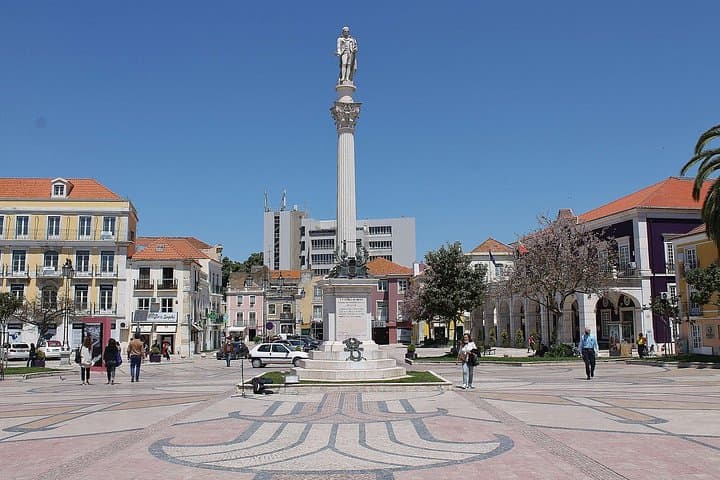
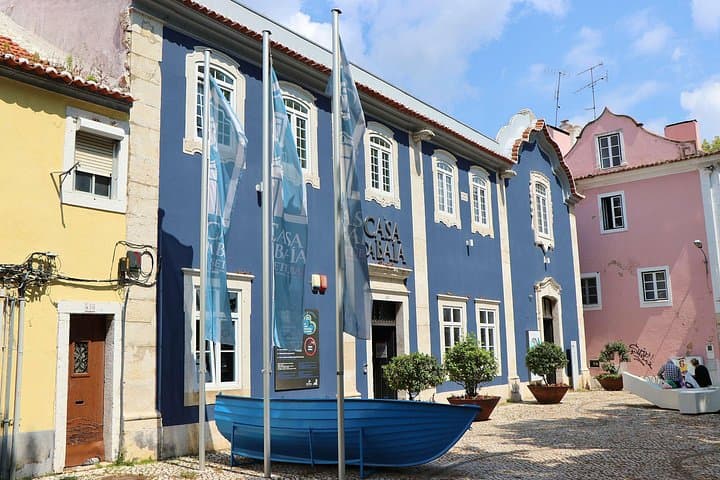
You step off the ferry and the salt air hits first—brisk, bright, carrying the chatter of gulls and the distant clink of nets. Cobblestones guide you past tiled facades while a phone buzzes with the first clue: this is not just a walk, it’s a story that unfolds through Setúbal’s alleys, squares and waterfront.
Verified experiences and guided adventures in the surrounding area.
Operated by Questo · Setúbal, Setúbal
You step off the ferry and the salt air hits first—brisk, bright, carrying the chatter of gulls and the distant clink of nets. Cobblestones guide you past tiled facades while a phone buzzes with the first clue: this is not just a walk, it’s a story that unfolds through Setúbal’s alleys, squares and waterfront.
Setúbal predates the Portuguese state and grew around its maritime trade and fisheries. The game routes take you to landmarks that mark that arc: the cathedral with its layered styles, the fortifications that watched the estuary, and Mercado do Livramento where fishmongers still work a centuries-old rhythm. Geologically, the town sits on the northern edge of the Sado estuary, where tidal flats and the nearby Arrábida limestone massif shape viewpoints and local microclimate.
Cultural details appear in the clues—a poet’s square, the house of four heads, a historic grocery—each stop revealing how fishing, faith and municipal power shaped daily life. Expect local color: seafood aromas, market calls, and a working dock where fishermen mend nets.
Practically, the experience is self-guided and phone-driven (Questo app); it runs 75–105 minutes at an easy pace with flexible pauses to eat, photograph, or rest. Start mid-morning to catch the market at its liveliest and avoid afternoon heat in summer. Bring a charged phone, comfortable shoes, and a small map or transit card if you want to explore farther after the game. The route is mostly flat but uses cobbles—move deliberately and enjoy a city that still wears its maritime past on its sleeve.
easy.
75–105 minutes.
Suitable for most fitness levels; involves casual walking on uneven cobbles for up to ~1.75 hours
No—this is a self-guided city exploration delivered via the Questo app; clues and directions appear on your phone and you progress at your own pace.
Expect 75–105 minutes depending on pace and time spent at each point of interest; you can pause and resume anytime.
Yes—Setúbal’s core and the route are generally stroller-accessible, though some streets have uneven cobbles and steps near older sites.
The provider recommends one ticket per user for the best experience, though multiple people can share a single phone if preferred.
Setúbal’s growth centered on maritime trade and fishing; many civic buildings and fortifications date to the period when the town was a regional maritime hub.
The nearby Sado estuary and Arrábida coast are sensitive habitats; visitors should respect wildlife areas, avoid disturbing birds, and support sustainable seafood practices.
Questo operates guided outdoor trips and adventures with an emphasis on safety, stewardship, and memorable experiences.

You step off the ferry and the salt air hits first—brisk, bright, carrying the chatter of gulls and the distant clink of nets. Cobblestones guide you past tiled facades while a phone buzzes with the first clue: this is not just a walk, it’s a story that unfolds through Setúbal’s alleys, squares and waterfront.
You step off the ferry and the salt air hits first—brisk, bright, carrying the chatter of gulls and the distant clink of nets. Cobblestones guide you past tiled facades while a phone buzzes with the first clue: this is not just a walk, it’s a story that unfolds through Setúbal’s alleys, squares and waterfront.
Setúbal predates the Portuguese state and grew around its maritime trade and fisheries. The game routes take you to landmarks that mark that arc: the cathedral with its layered styles, the fortifications that watched the estuary, and Mercado do Livramento where fishmongers still work a centuries-old rhythm. Geologically, the town sits on the northern edge of the Sado estuary, where tidal flats and the nearby Arrábida limestone massif shape viewpoints and local microclimate.
Cultural details appear in the clues—a poet’s square, the house of four heads, a historic grocery—each stop revealing how fishing, faith and municipal power shaped daily life. Expect local color: seafood aromas, market calls, and a working dock where fishermen mend nets.
Practically, the experience is self-guided and phone-driven (Questo app); it runs 75–105 minutes at an easy pace with flexible pauses to eat, photograph, or rest. Start mid-morning to catch the market at its liveliest and avoid afternoon heat in summer. Bring a charged phone, comfortable shoes, and a small map or transit card if you want to explore farther after the game. The route is mostly flat but uses cobbles—move deliberately and enjoy a city that still wears its maritime past on its sleeve.