THE ADVENTURE COLLECTIVE® · Independent discovery and booking for outdoor travel

A lantern-led, two-hour walking tour that traces Salem’s legal, maritime, and social history behind the witch trials. Learn documented facts, local rivalries, and architecture while walking accessible, well-paved streets.
A lantern-led, two-hour walking tour that traces Salem’s legal, maritime, and social history behind the witch trials. Learn documented facts, local rivalries, and architecture while walking accessible, well-paved streets.
Fog rolls off Salem Harbor and the gaslight-slim streets tighten into shadow as your guide lifts a lantern and begins to speak. You move through brick alleys and past clapboard facades that still hold the echo of seventeenth-century arguments — not theatrical scares, but the concrete traces of law, family feuds, and maritime life that fed the witch-trial panic.
Verified experiences and guided adventures in the surrounding area.
Operated by Salem Ghosts By US Ghost Adventures · Salem, Massachusetts
Fog rolls off Salem Harbor and the gaslight-slim streets tighten into shadow as your guide lifts a lantern and begins to speak. You move through brick alleys and past clapboard facades that still hold the echo of seventeenth-century arguments — not theatrical scares, but the concrete traces of law, family feuds, and maritime life that fed the witch-trial panic.
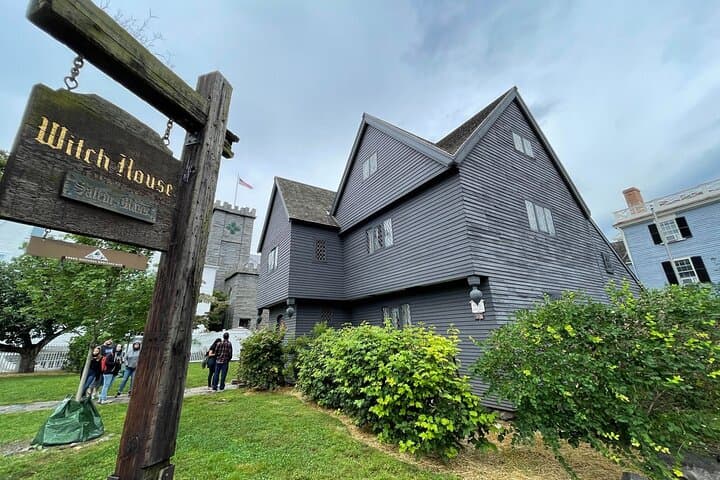
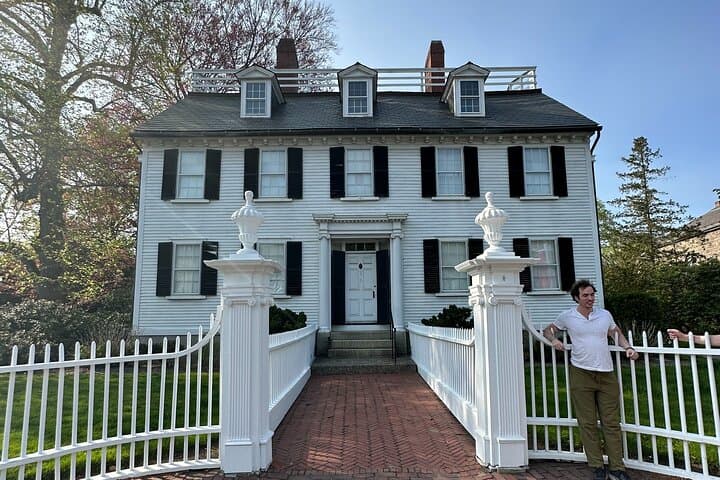
Salem’s story is layered: a 17th-century Puritan settlement, an 18th- and 19th-century maritime engine that made fortunes in global trade, and a 19th-century literary nexus where Nathaniel Hawthorne once walked. The geology is plain coastal New England — glacially smoothed bedrock, sandy spits, and a working harbor — but culture has carved sharper lines: the Old Burying Point, the Witch House, Federal-era merchant mansions and the Athenaeum all speak to civic pride and painful missteps alike.
The tour stitches these sites into a 2-hour narrative that emphasizes documented events and lesser-known local details: rivalries between Salem Town and Salem Village, the roles of specific judges and sheriffs, and how maritime wealth reshaped the town after 1692.
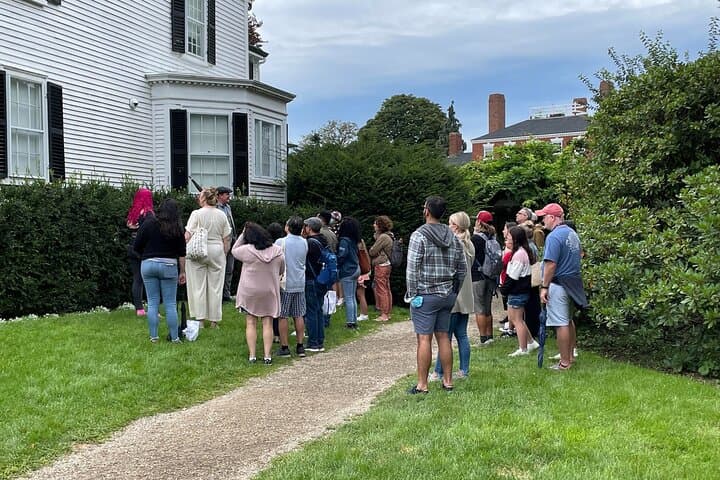
Practical notes: expect 90–120 minutes of mostly flat walking on paved streets; parts of the route are accessible. Tours run evenings and daylight — evenings add atmosphere but are colder and busier during October. Wear grippy shoes, dress in layers, and bring a small flashlight if you plan to attend after dusk (the guide carries a lantern). Public transit reaches the meeting point, and the route finishes near the historic Hawthorne Hotel, convenient for post-tour coffee or questions.
moderate.
2 hours.
Comfortable walking ability for 2 hours with short pauses; must be able to stand and walk on paved surfaces.
The tour runs about 2 hours and covers mostly flat, paved streets with frequent stops; expect light to moderate walking.
Yes; the tour route and meeting area are wheelchair accessible, but contact the operator ahead of time for specific accommodations.
Infants and small children in strollers are permitted; content can be intense for very young children, so consider age and sensitivity.
The operator’s cancellation policy allows refunds if canceled 24+ hours before departure; tours typically proceed in light rain—dress accordingly.
Salem grew from a 17th-century Puritan settlement into a global maritime port; the 1692 trials occurred amid local tensions and economic change.
Salem balances visitor demand with preservation of historic structures—stay on designated sidewalks and respect private property to minimize wear.
Salem Ghosts By US Ghost Adventures operates guided outdoor trips and adventures with an emphasis on safety, stewardship, and memorable experiences.

Fog rolls off Salem Harbor and the gaslight-slim streets tighten into shadow as your guide lifts a lantern and begins to speak. You move through brick alleys and past clapboard facades that still hold the echo of seventeenth-century arguments — not theatrical scares, but the concrete traces of law, family feuds, and maritime life that fed the witch-trial panic.
Fog rolls off Salem Harbor and the gaslight-slim streets tighten into shadow as your guide lifts a lantern and begins to speak. You move through brick alleys and past clapboard facades that still hold the echo of seventeenth-century arguments — not theatrical scares, but the concrete traces of law, family feuds, and maritime life that fed the witch-trial panic.
Salem’s story is layered: a 17th-century Puritan settlement, an 18th- and 19th-century maritime engine that made fortunes in global trade, and a 19th-century literary nexus where Nathaniel Hawthorne once walked. The geology is plain coastal New England — glacially smoothed bedrock, sandy spits, and a working harbor — but culture has carved sharper lines: the Old Burying Point, the Witch House, Federal-era merchant mansions and the Athenaeum all speak to civic pride and painful missteps alike.
The tour stitches these sites into a 2-hour narrative that emphasizes documented events and lesser-known local details: rivalries between Salem Town and Salem Village, the roles of specific judges and sheriffs, and how maritime wealth reshaped the town after 1692.
Practical notes: expect 90–120 minutes of mostly flat walking on paved streets; parts of the route are accessible. Tours run evenings and daylight — evenings add atmosphere but are colder and busier during October. Wear grippy shoes, dress in layers, and bring a small flashlight if you plan to attend after dusk (the guide carries a lantern). Public transit reaches the meeting point, and the route finishes near the historic Hawthorne Hotel, convenient for post-tour coffee or questions.