THE ADVENTURE COLLECTIVE® · Independent discovery and booking for outdoor travel

Turn the Louvre district into a live puzzle: this self-guided, GPS-based exploration game leads you through the Louvre court, Tuileries and Pont Royal with photo tasks, riddles and local stories. Start at Porte des Lions anytime and play at your own pace.
Turn the Louvre district into a live puzzle: this self-guided, GPS-based exploration game leads you through the Louvre court, Tuileries and Pont Royal with photo tasks, riddles and local stories. Start at Porte des Lions anytime and play at your own pace.
You tap the play link at Porte des Lions and the city rearranges itself into a puzzle: cobbled alleys become clues, façades of 18th-century stone hold riddles, and the Seine dares you to look up from your phone.
Verified experiences and guided adventures in the surrounding area.
Operated by City Game · Paris, Île-de-France
You tap the play link at Porte des Lions and the city rearranges itself into a puzzle: cobbled alleys become clues, façades of 18th-century stone hold riddles, and the Seine dares you to look up from your phone.
This two-hour urban trek threads the Louvre court, the Jardin des Tuileries, Pont Royal and the Musée d'Orsay, combining classic monuments with overlooked corners. The Louvre began as a 12th-century fortress and evolved into a royal palace before opening as a museum in 1793; the stones underfoot are Parisian Lutetian limestone, quarried and re-used over centuries, giving the neighborhood its pale, weathered character.
Play reveals cultural layers — café culture on Rue de Rivoli, sculptural detail on arcades, and the Tuileries' formal promenades — while micro-stories about artists, patrons and river trade fill gaps between puzzles. The game balances history and scavenger-hunt tasks: photo challenges, riddles that point to architectural features, and local trivia that rewards observation more than speed.
Practical side: start at Porte des Lions with a charged smartphone and an internet connection, wear comfortable shoes for flat, paved walking, and expect about 2 hours of intermittent walking and stopping. The route is fully walkable with public transport nearby; you can pause and resume the game. Ideal for small groups (one ticket covers up to four players), it’s accessible for most fitness levels but not recommended for those with severe mobility restrictions. Treat the area respectfully — stay on paths, avoid obstructing walkways, and leave no trace while you chase clues through the heart of Paris.
moderate.
2 hours.
Suitable for most walkers—expect intermittent stops, short bursts of walking and stair-free routes around the Louvre precinct.
One ticket covers a group of up to four players; buy additional tickets for larger groups.
No app download is required — you receive a play link that runs in your browser.
Yes — the self-guided format lets you pause and continue whenever you like from the last checkpoint.
The area is mostly paved and flat, but some spots have cobbles and crowded pathways; accessibility may vary by exact route and crowd levels.
The Louvre transformed from medieval fortress to royal residence to public museum; the adjoining Tuileries Palace gardens reflect 17th–19th century landscape design linked to France's political history.
Stay on paved paths, avoid littering, and respect signage around artworks and garden beds; city conservation efforts focus on preserving historic stonework and riverbank habitats.
City Game operates guided outdoor trips and adventures with an emphasis on safety, stewardship, and memorable experiences.

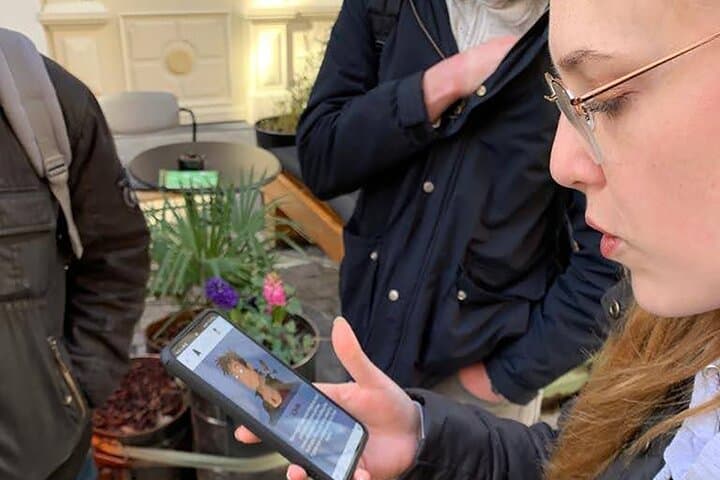
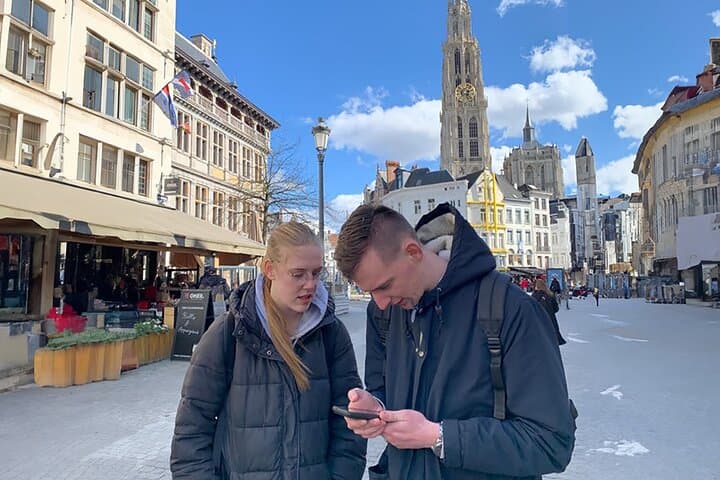
You tap the play link at Porte des Lions and the city rearranges itself into a puzzle: cobbled alleys become clues, façades of 18th-century stone hold riddles, and the Seine dares you to look up from your phone.
You tap the play link at Porte des Lions and the city rearranges itself into a puzzle: cobbled alleys become clues, façades of 18th-century stone hold riddles, and the Seine dares you to look up from your phone.
This two-hour urban trek threads the Louvre court, the Jardin des Tuileries, Pont Royal and the Musée d'Orsay, combining classic monuments with overlooked corners. The Louvre began as a 12th-century fortress and evolved into a royal palace before opening as a museum in 1793; the stones underfoot are Parisian Lutetian limestone, quarried and re-used over centuries, giving the neighborhood its pale, weathered character.
Play reveals cultural layers — café culture on Rue de Rivoli, sculptural detail on arcades, and the Tuileries' formal promenades — while micro-stories about artists, patrons and river trade fill gaps between puzzles. The game balances history and scavenger-hunt tasks: photo challenges, riddles that point to architectural features, and local trivia that rewards observation more than speed.
Practical side: start at Porte des Lions with a charged smartphone and an internet connection, wear comfortable shoes for flat, paved walking, and expect about 2 hours of intermittent walking and stopping. The route is fully walkable with public transport nearby; you can pause and resume the game. Ideal for small groups (one ticket covers up to four players), it’s accessible for most fitness levels but not recommended for those with severe mobility restrictions. Treat the area respectfully — stay on paths, avoid obstructing walkways, and leave no trace while you chase clues through the heart of Paris.