THE ADVENTURE COLLECTIVE® · Independent discovery and booking for outdoor travel

Turn Katowice into a live puzzle: follow a GPS-guided route, solve riddles, and uncover the city’s industrial and cultural stories. Play solo or as a team—start anytime and explore at your own pace.
Turn Katowice into a live puzzle: follow a GPS-guided route, solve riddles, and uncover the city’s industrial and cultural stories. Play solo or as a team—start anytime and explore at your own pace.
You set off from the statue of Henryk Sławik and József Antall Sr., phone in hand, and the city rearranges itself into a puzzle. Steel and brick frame the route: the low, saucer silhouette of Spodek looming like a relic of mid-century ambition, Mariacka’s cafes leaking afternoon conversation, and the Silesian Theatre’s stone face waiting for an answer. Puzzles nudge you toward alleyways and civic monuments; photo tasks force a second look at carved stone and tiled façades.
Verified experiences and guided adventures in the surrounding area.
Operated by City Game · Katowice, Silesian Voivodeship
You set off from the statue of Henryk Sławik and József Antall Sr., phone in hand, and the city rearranges itself into a puzzle. Steel and brick frame the route: the low, saucer silhouette of Spodek looming like a relic of mid-century ambition, Mariacka’s cafes leaking afternoon conversation, and the Silesian Theatre’s stone face waiting for an answer. Puzzles nudge you toward alleyways and civic monuments; photo tasks force a second look at carved stone and tiled façades.
Katowice grew from coal and industry into a modern cultural hub — the game leans on that history, pointing out interwar architecture, the city’s role in Silesian autonomy movements and the figure of Wojciech Korfanty referenced in the Wings of Liberty. The route highlights how geology shaped urban life: seams of coal underlay the grid and gave rise to worker districts like Nikiszowiec.
Practically, expect two hours of walking on pavement (roughly 3–5 km) with stops to read clues and take photos. The game is GPS-based and self-paced: pause and resume when the tram arrives or when a café beckons. Bring a charged smartphone, comfortable shoes for uneven curbs, and a data plan or local SIM. Start in daylight to make visual puzzles easier; evenings work too if your group prefers the city lit up.
This is urban adventure with low physical strain but high attention to detail — a way to learn local history, test observation skills, and move through Katowice with purpose.
moderate.
2 hours.
Suitable for most fitness levels; expect 3–5 km of walking primarily on paved surfaces with short stops.
Begin at the statue of Henryk Sławik and József Antall Sr. in central Katowice; your booking email includes the exact meeting point and play link.
One ticket covers a group of 1–4 players; purchase additional tickets for larger teams.
No — clues provide context and fun facts, making the game suitable for both visitors and locals.
You can pause and resume later; however a working data connection is recommended for the best experience.
Katowice evolved rapidly in the 19th–20th centuries as coal mining and steel production reshaped Silesia; civic monuments reflect the region’s industrial and political struggles.
The city balances redevelopment with preserving industrial heritage—practice low-impact tourism by respecting historic sites and avoiding littering.
City Game operates guided outdoor trips and adventures with an emphasis on safety, stewardship, and memorable experiences.
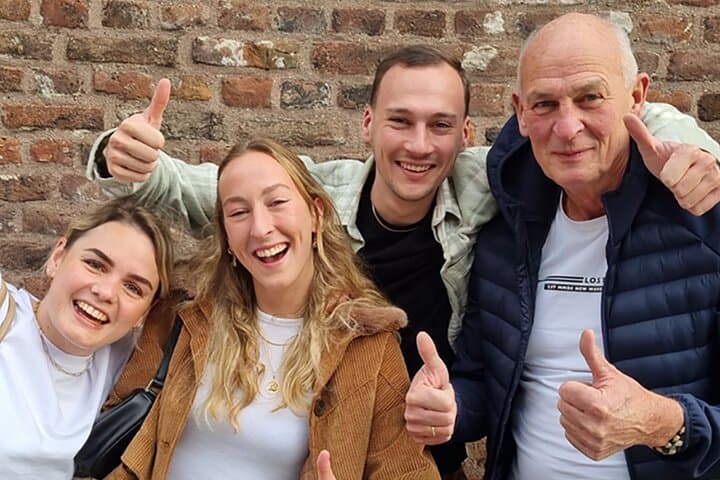
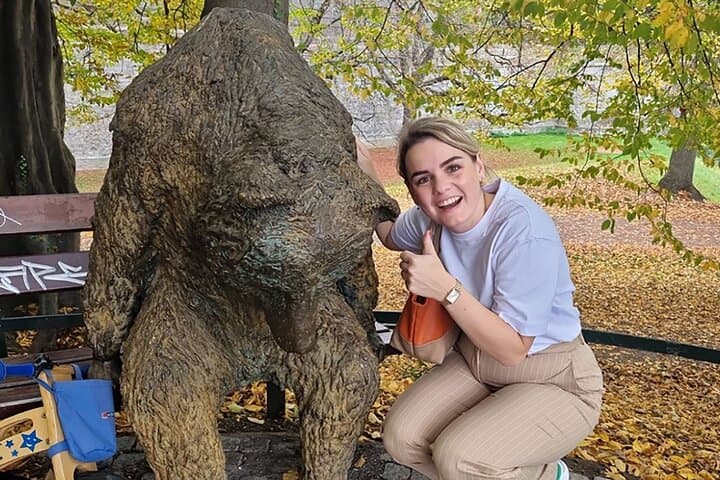
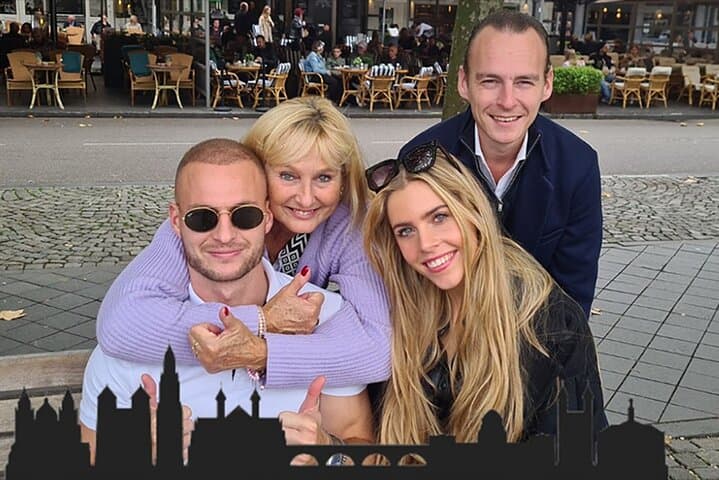
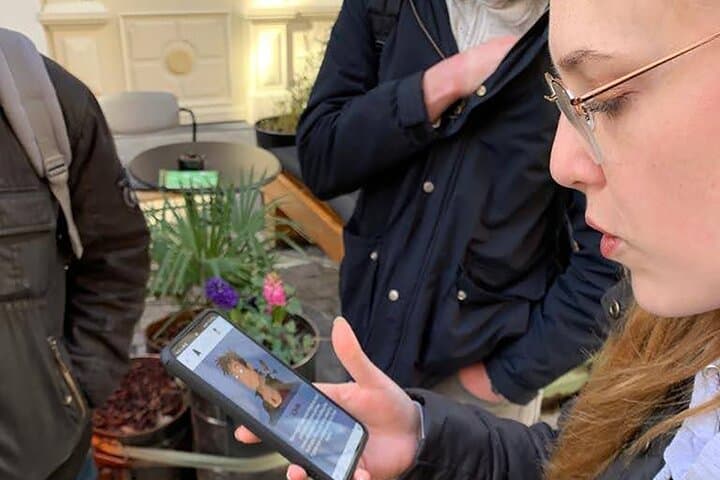
You set off from the statue of Henryk Sławik and József Antall Sr., phone in hand, and the city rearranges itself into a puzzle. Steel and brick frame the route: the low, saucer silhouette of Spodek looming like a relic of mid-century ambition, Mariacka’s cafes leaking afternoon conversation, and the Silesian Theatre’s stone face waiting for an answer. Puzzles nudge you toward alleyways and civic monuments; photo tasks force a second look at carved stone and tiled façades.
You set off from the statue of Henryk Sławik and József Antall Sr., phone in hand, and the city rearranges itself into a puzzle. Steel and brick frame the route: the low, saucer silhouette of Spodek looming like a relic of mid-century ambition, Mariacka’s cafes leaking afternoon conversation, and the Silesian Theatre’s stone face waiting for an answer. Puzzles nudge you toward alleyways and civic monuments; photo tasks force a second look at carved stone and tiled façades.
Katowice grew from coal and industry into a modern cultural hub — the game leans on that history, pointing out interwar architecture, the city’s role in Silesian autonomy movements and the figure of Wojciech Korfanty referenced in the Wings of Liberty. The route highlights how geology shaped urban life: seams of coal underlay the grid and gave rise to worker districts like Nikiszowiec.
Practically, expect two hours of walking on pavement (roughly 3–5 km) with stops to read clues and take photos. The game is GPS-based and self-paced: pause and resume when the tram arrives or when a café beckons. Bring a charged smartphone, comfortable shoes for uneven curbs, and a data plan or local SIM. Start in daylight to make visual puzzles easier; evenings work too if your group prefers the city lit up.
This is urban adventure with low physical strain but high attention to detail — a way to learn local history, test observation skills, and move through Katowice with purpose.