THE ADVENTURE COLLECTIVE® · Independent discovery and booking for outdoor travel

Turn Gothenburg’s center into a puzzle course: follow clues from Gustav Adolfs Torg to the waterfront, solve riddles at market stalls, and discover stories behind the city’s statues and murals. Ideal for flexible, small-group exploration using only your smartphone.
Turn Gothenburg’s center into a puzzle course: follow clues from Gustav Adolfs Torg to the waterfront, solve riddles at market stalls, and discover stories behind the city’s statues and murals. Ideal for flexible, small-group exploration using only your smartphone.
A brisk wind off the Göta älv pushes across Gustav Adolfs Torg as you tap the start link and the city quiets into a personal playground.
Verified experiences and guided adventures in the surrounding area.
Operated by City Game · Gothenburg, Västra Götaland
A brisk wind off the Göta älv pushes across Gustav Adolfs Torg as you tap the start link and the city quiets into a personal playground.
This exploration game threads through Gothenburg’s granite streets and waterfront promenades, sending you from the bronze Poseidon watchman to the vaulted aisles of the Market Hall. The narration drops historical notes — Gustavus Adolphus’ 17th-century plan for a trading port, the city’s shipbuilding pulse — while clues point to architectural details many visitors miss.
Gothenburg’s geography is plain in the route: a river mouth widening into an industrial harbor and an archipelago that shaped trade and settlement. Cultural touchstones appear mid-route — Feskekôrka’s market hum, the artful murals of Avenyn — and the game teases local anecdotes and photo tasks that reveal how industry, art, and maritime life meet here.
Practically, the experience is low-impact walking with intermittent stops for puzzles and photos. Expect about two hours of foot traffic across cobbled streets, tram crossings, and short stair sections; wear supportive shoes, carry a charged phone and a small umbrella if clouds look angry. One ticket covers a small group and you move at your own speed: pause the game, grab a fika, then pick up the thread where you left off.
For travelers who want city context without a fixed schedule, this self-guided hunt is a compact, social way to see Gothenburg’s landmarks and secret corners while learning the stories tied to its river and quay.
moderate.
2 hours.
Suitable for most people who can walk on uneven pavement for up to two hours; light mobility limitations may struggle with curbs and cobbles.
The game begins at Gustav Adolfs Torg in central Gothenburg; after booking you’ll receive a link and can start anytime from that spot.
One ticket covers a small group (up to 4 people); buy additional tickets for larger groups.
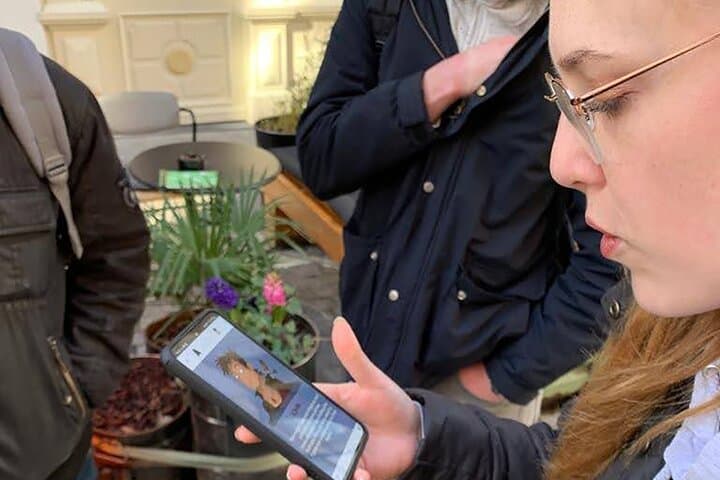
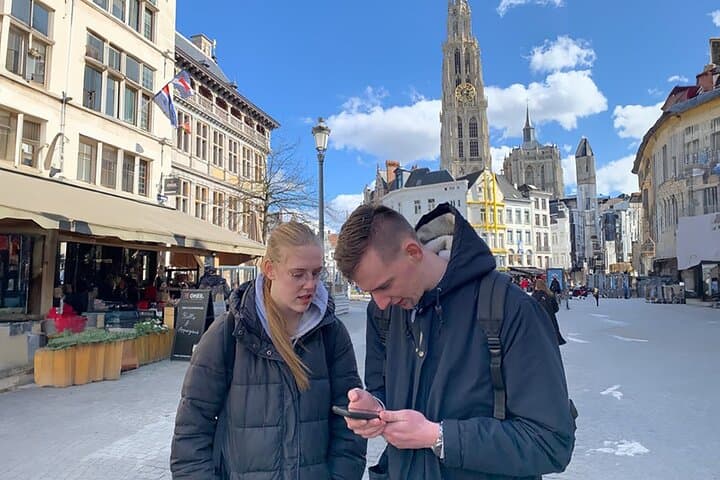
No app download is required—open the unique link on your smartphone browser and play instantly.
You can pause at any time and resume from the same point using the same game link sent after booking.
Gothenburg was founded in 1621 by King Gustavus Adolphus as a fortified trading port; its placement at the Göta älv estuary defined its maritime economy and urban layout.
Respect historic facades and public markets by staying on paths and avoiding litter; using public transit helps reduce congestion and local emissions.
City Game operates guided outdoor trips and adventures with an emphasis on safety, stewardship, and memorable experiences.
A brisk wind off the Göta älv pushes across Gustav Adolfs Torg as you tap the start link and the city quiets into a personal playground.
A brisk wind off the Göta älv pushes across Gustav Adolfs Torg as you tap the start link and the city quiets into a personal playground.
This exploration game threads through Gothenburg’s granite streets and waterfront promenades, sending you from the bronze Poseidon watchman to the vaulted aisles of the Market Hall. The narration drops historical notes — Gustavus Adolphus’ 17th-century plan for a trading port, the city’s shipbuilding pulse — while clues point to architectural details many visitors miss.
Gothenburg’s geography is plain in the route: a river mouth widening into an industrial harbor and an archipelago that shaped trade and settlement. Cultural touchstones appear mid-route — Feskekôrka’s market hum, the artful murals of Avenyn — and the game teases local anecdotes and photo tasks that reveal how industry, art, and maritime life meet here.
Practically, the experience is low-impact walking with intermittent stops for puzzles and photos. Expect about two hours of foot traffic across cobbled streets, tram crossings, and short stair sections; wear supportive shoes, carry a charged phone and a small umbrella if clouds look angry. One ticket covers a small group and you move at your own speed: pause the game, grab a fika, then pick up the thread where you left off.
For travelers who want city context without a fixed schedule, this self-guided hunt is a compact, social way to see Gothenburg’s landmarks and secret corners while learning the stories tied to its river and quay.