THE ADVENTURE COLLECTIVE® · Independent discovery and booking for outdoor travel

Walk the streets where revolution simmered and everyday lives collided. This two-hour guided stroll through Colonial Williamsburg reveals overlooked sites, candid local stories, and practical tips for making the most of a living-history experience.
Walk the streets where revolution simmered and everyday lives collided. This two-hour guided stroll through Colonial Williamsburg reveals overlooked sites, candid local stories, and practical tips for making the most of a living-history experience.
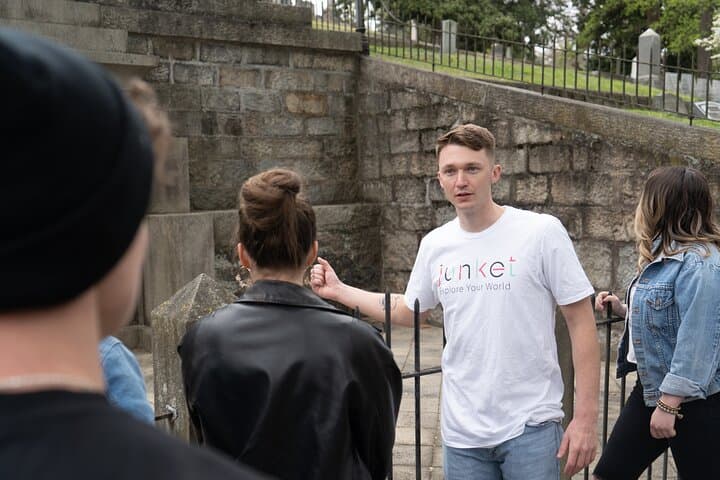
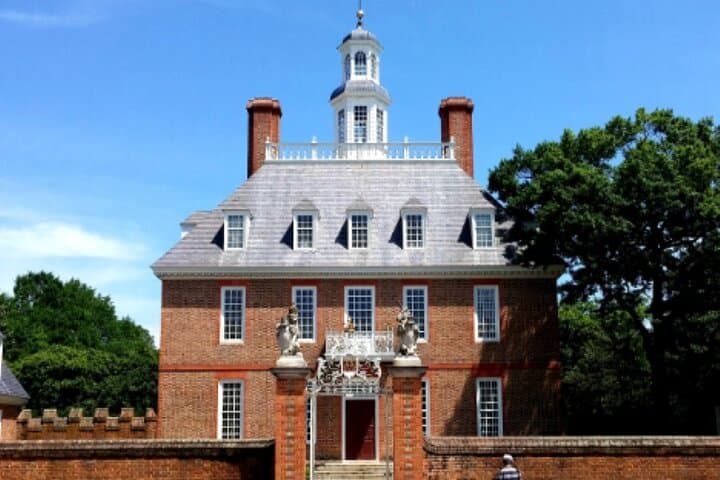
The walk begins on Duke of Gloucester Street, the cobbles cool underfoot and the wooden facades leaning into conversation. Guides in plain white shirts lead a small group past shuttered taverns, a courthouse, and a reconstructed Governor’s Palace, pointing out margins of history that standard brochures often skip.
Verified experiences and guided adventures in the surrounding area.
Operated by Colonial Ghosts By Us Ghost Adventures · Williamsburg, Virginia
The walk begins on Duke of Gloucester Street, the cobbles cool underfoot and the wooden facades leaning into conversation. Guides in plain white shirts lead a small group past shuttered taverns, a courthouse, and a reconstructed Governor’s Palace, pointing out margins of history that standard brochures often skip.
Williamsburg was Virginia’s colonial capital and later a staged restoration in the 20th century that reanimated 18th-century urban life. Geologically the plain sits on Tidewater sediments—flat streets, shallow wells—and that shaped where homes, drainage systems and public squares were sited. Culturally you’ll encounter the complexities of early American life: enslaved people working beside politicians, tavern debates that fed revolutionary ideas, and the legal institutions that enforced order.
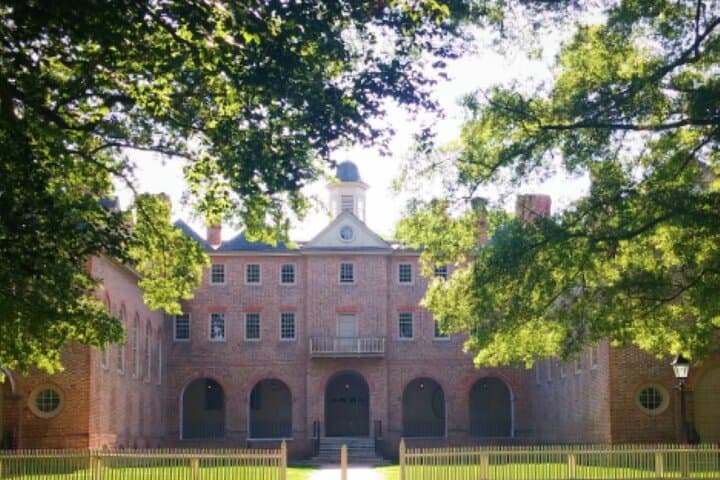
The tour highlights hidden corners: a reconstructed secretary’s office that stored colonial records, an early drainage system in a mansion, and sites tied to figures like George Wythe and Martha Washington. Expect candid stories about social hierarchies, medical practices, and the messy business of forming a republic.
Practical notes: the route covers roughly 1–1.5 miles over two hours on mostly level, wheelchair-accessible pavement. Bring comfortable shoes, a water bottle, and layered clothing for changing coastal weather. Tours are best in the morning or late afternoon to avoid summer heat and peak visitor crowds. Check accessibility options if you need a stroller or wheelchair ramp; guides accommodate varied paces. Finish at the Governor’s Palace with time to explore exhibits or grab a quick coffee on the main street.
moderate.
2 hours.
Expect light to moderate walking; participants should be comfortable standing and moving at a steady pace for two hours.
The tour lasts about two hours and covers roughly 1–1.5 miles on mostly level, paved streets.
Yes—meeting locations and the route are wheelchair- and stroller-accessible; inform the operator of special requirements when booking.
This walking tour provides narrated access to exterior sites and stories; individual admissions to paid attractions are not included unless specified.
Tours may be canceled in heavy rain; carry a compact rain jacket for light showers and check the cancellation policy (full refund if canceled 24+ hours prior).
Williamsburg served as Virginia’s colonial capital and was extensively restored in the 20th century to reflect 18th-century urban life and architecture.
The restoration balances public access with preservation; visitors are asked to stay on paths, avoid touching original materials, and support local conservation through donations or respectful behavior.
Colonial Ghosts By Us Ghost Adventures operates guided outdoor trips and adventures with an emphasis on safety, stewardship, and memorable experiences.
The walk begins on Duke of Gloucester Street, the cobbles cool underfoot and the wooden facades leaning into conversation. Guides in plain white shirts lead a small group past shuttered taverns, a courthouse, and a reconstructed Governor’s Palace, pointing out margins of history that standard brochures often skip.
The walk begins on Duke of Gloucester Street, the cobbles cool underfoot and the wooden facades leaning into conversation. Guides in plain white shirts lead a small group past shuttered taverns, a courthouse, and a reconstructed Governor’s Palace, pointing out margins of history that standard brochures often skip.
Williamsburg was Virginia’s colonial capital and later a staged restoration in the 20th century that reanimated 18th-century urban life. Geologically the plain sits on Tidewater sediments—flat streets, shallow wells—and that shaped where homes, drainage systems and public squares were sited. Culturally you’ll encounter the complexities of early American life: enslaved people working beside politicians, tavern debates that fed revolutionary ideas, and the legal institutions that enforced order.
The tour highlights hidden corners: a reconstructed secretary’s office that stored colonial records, an early drainage system in a mansion, and sites tied to figures like George Wythe and Martha Washington. Expect candid stories about social hierarchies, medical practices, and the messy business of forming a republic.
Practical notes: the route covers roughly 1–1.5 miles over two hours on mostly level, wheelchair-accessible pavement. Bring comfortable shoes, a water bottle, and layered clothing for changing coastal weather. Tours are best in the morning or late afternoon to avoid summer heat and peak visitor crowds. Check accessibility options if you need a stroller or wheelchair ramp; guides accommodate varied paces. Finish at the Governor’s Palace with time to explore exhibits or grab a quick coffee on the main street.