THE ADVENTURE COLLECTIVE® · Independent discovery and booking for outdoor travel

Turn Brussels into a playground with a GPS-based self-guided game that sends you from the Palace of Karel van Lotharingen through Grand Place and the Galeries Royales. Solve photo challenges and riddles at your own pace—ideal for visitors or locals seeking active, independent exploration.
Turn Brussels into a playground with a GPS-based self-guided game that sends you from the Palace of Karel van Lotharingen through Grand Place and the Galeries Royales. Solve photo challenges and riddles at your own pace—ideal for visitors or locals seeking active, independent exploration.
You step into Brussels through a digital dossier: the Palace of Karel van Lotharingen marks your starting point, cobblestones daring you to follow alleys that open into the gilded drama of Grand Place. Glass-roofed arcades hum with shopkeepers and the Galeries Royales Saint-Hubert glint like a friendly challenge; the little bronze Manneken Pis waits, almost conspiratorial, at the end of a riddle.
Verified experiences and guided adventures in the surrounding area.
Operated by City Game · Brussels, Brussels
You step into Brussels through a digital dossier: the Palace of Karel van Lotharingen marks your starting point, cobblestones daring you to follow alleys that open into the gilded drama of Grand Place. Glass-roofed arcades hum with shopkeepers and the Galeries Royales Saint-Hubert glint like a friendly challenge; the little bronze Manneken Pis waits, almost conspiratorial, at the end of a riddle.
The game threads modern playful puzzles through centuries of city history. Grand Place was rebuilt after the 1695 bombardment and still reads as a municipal storybook, while the Galeries Royales—one of Europe's earliest covered shopping arcades—reflects 19th-century urban refinement. Brussels’ layered geology is subtle here: promontories and terraces created viewpoints like Mont des Arts, and the city’s character comes from an exchange of cultures—French, Flemish and international—that shaped its cafés, comic art, and civic squares.
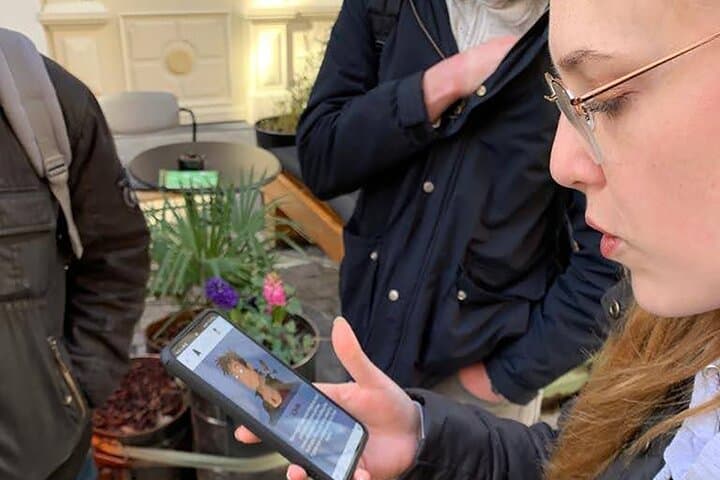
Expect two hours of walking, photo tasks, and GPS waypoints that reward observation and local knowledge. The format is self-guided and flexible: pause the game, catch a tram, or linger over a waffle. Practicalities matter—bring a charged smartphone, comfortable shoes, and a pocket map of transit lines. Play is best in daylight for reading plaques and solving sight-based clues.
This experience fits visitors and locals seeking an active, urban scavenger hunt: it combines light exercise with cultural discovery, and it’s an efficient, low-impact way to explore Brussels’ heart on your own timetable.
moderate.
2 hours.
Light urban fitness — able to walk 2–4 miles with short stops and navigate stairs and cobbles.
The starting point is the Palace of Karel van Lotharingen in central Brussels; you’ll receive a link and instructions after booking.
The route is designed for about 2 hours; one ticket covers 1–4 people—larger groups should buy additional tickets.
No guide is required; the experience is self-guided and designed for visitors and locals with only basic smartphone skills.
Parts of the historic center include cobbles and narrow streets that may be challenging for strollers or some wheelchairs; consider contacting local transit for accessible routing.
Grand Place was largely rebuilt after the 1695 bombardment and remains Brussels’ civic heart; the Galeries Royales Saint-Hubert dates to the 19th century as one of Europe’s first covered arcades.
Keep to marked streets and avoid touching fragile façades; favor public transit to reduce emissions and support local businesses rather than souvenir-heavy shopping.
City Game operates guided outdoor trips and adventures with an emphasis on safety, stewardship, and memorable experiences.
You step into Brussels through a digital dossier: the Palace of Karel van Lotharingen marks your starting point, cobblestones daring you to follow alleys that open into the gilded drama of Grand Place. Glass-roofed arcades hum with shopkeepers and the Galeries Royales Saint-Hubert glint like a friendly challenge; the little bronze Manneken Pis waits, almost conspiratorial, at the end of a riddle.
You step into Brussels through a digital dossier: the Palace of Karel van Lotharingen marks your starting point, cobblestones daring you to follow alleys that open into the gilded drama of Grand Place. Glass-roofed arcades hum with shopkeepers and the Galeries Royales Saint-Hubert glint like a friendly challenge; the little bronze Manneken Pis waits, almost conspiratorial, at the end of a riddle.
The game threads modern playful puzzles through centuries of city history. Grand Place was rebuilt after the 1695 bombardment and still reads as a municipal storybook, while the Galeries Royales—one of Europe's earliest covered shopping arcades—reflects 19th-century urban refinement. Brussels’ layered geology is subtle here: promontories and terraces created viewpoints like Mont des Arts, and the city’s character comes from an exchange of cultures—French, Flemish and international—that shaped its cafés, comic art, and civic squares.
Expect two hours of walking, photo tasks, and GPS waypoints that reward observation and local knowledge. The format is self-guided and flexible: pause the game, catch a tram, or linger over a waffle. Practicalities matter—bring a charged smartphone, comfortable shoes, and a pocket map of transit lines. Play is best in daylight for reading plaques and solving sight-based clues.
This experience fits visitors and locals seeking an active, urban scavenger hunt: it combines light exercise with cultural discovery, and it’s an efficient, low-impact way to explore Brussels’ heart on your own timetable.