THE ADVENTURE COLLECTIVE® · Independent discovery and booking for outdoor travel

A private two-hour walk through Castello that pairs Palazzo Grimani’s Renaissance rooms with offbeat stops like Santa Maria Formosa and the Acqua Alta bookshop. Perfect for travelers who want Venice beyond the tourist drag.
A private two-hour walk through Castello that pairs Palazzo Grimani’s Renaissance rooms with offbeat stops like Santa Maria Formosa and the Acqua Alta bookshop. Perfect for travelers who want Venice beyond the tourist drag.
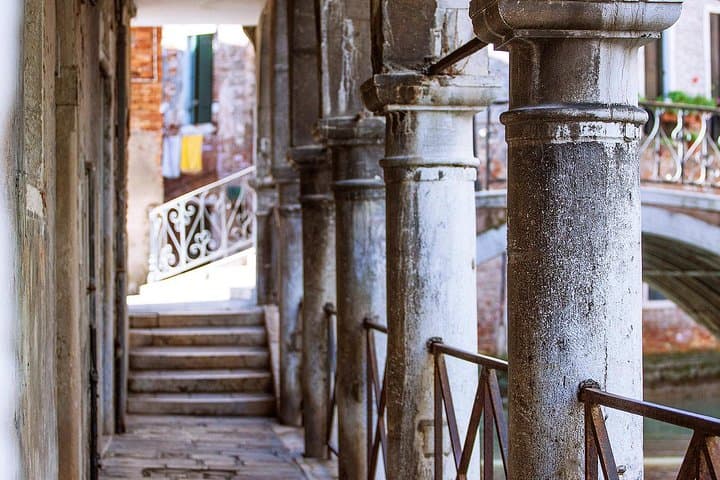
You arrive at Campo San Bartolomeo while the morning light pins the Rialto statuary in sharp relief and the canals hold their breath. A private guide steps forward and the city—its alleys, bridges and quiet courtyards—begins to give up its small secrets. This two-hour walk threads through Castello, one of Venice’s least trafficked sestieri, moving from the bustle of the Rialto toward the sober stone of Palazzo Grimani, the intimate pews of Santa Maria Formosa, and the crooked stacks of the Acqua Alta bookshop where flood-prone pages lean like weathered sailors.
Verified experiences and guided adventures in the surrounding area.
Operated by Park Viaggi · Venice, Veneto
You arrive at Campo San Bartolomeo while the morning light pins the Rialto statuary in sharp relief and the canals hold their breath. A private guide steps forward and the city—its alleys, bridges and quiet courtyards—begins to give up its small secrets. This two-hour walk threads through Castello, one of Venice’s least trafficked sestieri, moving from the bustle of the Rialto toward the sober stone of Palazzo Grimani, the intimate pews of Santa Maria Formosa, and the crooked stacks of the Acqua Alta bookshop where flood-prone pages lean like weathered sailors.
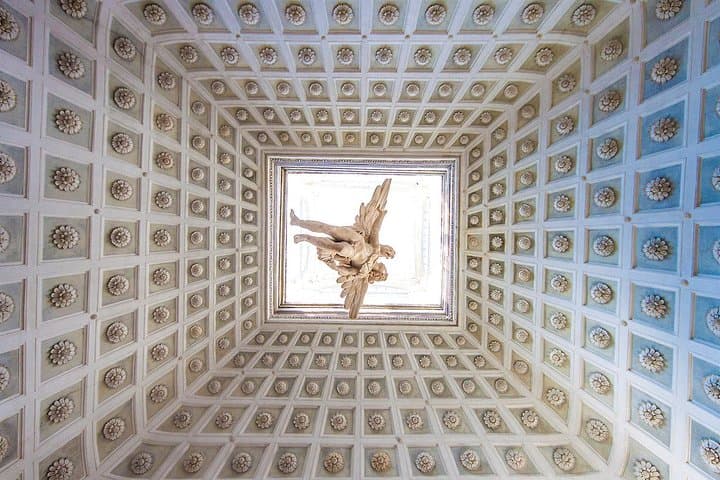
Palazzo Grimani reads like a lesson in Venetian ambition: built on timber piles driven into lagoon silt, its façades and galleries display a Renaissance appetite for classical sculpture and domestic power. The Grimani family—princes of law and collectors of antiquity—used palaces like this to broadcast a civic identity that balanced private display and public function. Castello itself carries a quieter history: once the edge of naval yards and salt marsh access, today its lanes host artisans, small cafes, and communal rituals tied to the tide.
Geology and engineering are never out of sight in Venice. Beneath the stone lies compressible mud and packed sand; wooden foundations and careful load-bearing techniques are what keep frescoes and cornices from settling into the lagoon. Culture here moves at human scale: shopkeepers recognize regulars, and locals time errands to vaporetti and tide reports.
Practically, the route is easy on the feet but rich in stairs and uneven paving. The tour includes Grimani Palace entrance, is private, and starts on Campo San Bartolomeo (near Rialto) — arrive 10 minutes early. Note that on exceptional acqua alta days the operator may cancel and refund; also check Comune di Venezia’s access or city contribution rules before booking.
Best times are early morning or late afternoon to catch softer light and smaller crowds. Wear comfortable shoes with good grip, carry a light waterproof layer: alleys can funnel wind and sudden showers. Bring small change for espresso, and a compact camera; low angles capture books at Acqua Alta and the carved details inside Grimani better than wide panoramas.
This walk is short enough to pair with a longer exploration of the Arsenale or an extended vaporetto ride, but intimate enough to change how you read Venice: as a city of domestic power, careful engineering, and tiny human stories behind palazzo doors. If you want a first impression without the usual crush, this tour hands it to you in slow, deliberate chapters.
easy.
2 hours.
Light walking on mostly flat but uneven stone and occasional short staircases; suitable for most fitness levels.
Meeting point is Campo San Bartolomeo, in front of the Goldoni statue near the Rialto Bridge—arrive 10 minutes early.
No; the tour includes stairs and narrow alleys that are not wheelchair accessible.
Yes, entrance to Grimani Palace is included in the tour price.
On exceptional acqua alta days the operator may cancel and issue a full refund; otherwise the route may be adjusted for safety.
Check Comune di Venezia requirements before travel—on certain dates an access contribution or registration may be required and is the traveler’s responsibility.
Yes; the tour is suitable for children with steady walking ability, though guardians should account for stairs and narrow bridges.
Palazzo Grimani reflects the influence of Roman antiquities on Venetian noble identity; wealthy patrician families used grand domestic spaces to project civic authority during the Renaissance.
Venice’s fragile foundations and rising tides require careful visitor behavior—stay on marked paths, avoid touching frescoes, and support local businesses that practice low-impact tourism.
Park Viaggi operates guided outdoor trips and adventures with an emphasis on safety, stewardship, and memorable experiences.


You arrive at Campo San Bartolomeo while the morning light pins the Rialto statuary in sharp relief and the canals hold their breath. A private guide steps forward and the city—its alleys, bridges and quiet courtyards—begins to give up its small secrets. This two-hour walk threads through Castello, one of Venice’s least trafficked sestieri, moving from the bustle of the Rialto toward the sober stone of Palazzo Grimani, the intimate pews of Santa Maria Formosa, and the crooked stacks of the Acqua Alta bookshop where flood-prone pages lean like weathered sailors.
You arrive at Campo San Bartolomeo while the morning light pins the Rialto statuary in sharp relief and the canals hold their breath. A private guide steps forward and the city—its alleys, bridges and quiet courtyards—begins to give up its small secrets. This two-hour walk threads through Castello, one of Venice’s least trafficked sestieri, moving from the bustle of the Rialto toward the sober stone of Palazzo Grimani, the intimate pews of Santa Maria Formosa, and the crooked stacks of the Acqua Alta bookshop where flood-prone pages lean like weathered sailors.
Palazzo Grimani reads like a lesson in Venetian ambition: built on timber piles driven into lagoon silt, its façades and galleries display a Renaissance appetite for classical sculpture and domestic power. The Grimani family—princes of law and collectors of antiquity—used palaces like this to broadcast a civic identity that balanced private display and public function. Castello itself carries a quieter history: once the edge of naval yards and salt marsh access, today its lanes host artisans, small cafes, and communal rituals tied to the tide.
Geology and engineering are never out of sight in Venice. Beneath the stone lies compressible mud and packed sand; wooden foundations and careful load-bearing techniques are what keep frescoes and cornices from settling into the lagoon. Culture here moves at human scale: shopkeepers recognize regulars, and locals time errands to vaporetti and tide reports.
Practically, the route is easy on the feet but rich in stairs and uneven paving. The tour includes Grimani Palace entrance, is private, and starts on Campo San Bartolomeo (near Rialto) — arrive 10 minutes early. Note that on exceptional acqua alta days the operator may cancel and refund; also check Comune di Venezia’s access or city contribution rules before booking.
Best times are early morning or late afternoon to catch softer light and smaller crowds. Wear comfortable shoes with good grip, carry a light waterproof layer: alleys can funnel wind and sudden showers. Bring small change for espresso, and a compact camera; low angles capture books at Acqua Alta and the carved details inside Grimani better than wide panoramas.
This walk is short enough to pair with a longer exploration of the Arsenale or an extended vaporetto ride, but intimate enough to change how you read Venice: as a city of domestic power, careful engineering, and tiny human stories behind palazzo doors. If you want a first impression without the usual crush, this tour hands it to you in slow, deliberate chapters.