THE ADVENTURE COLLECTIVE® · Independent discovery and booking for outdoor travel

A full‑day guided experience that goes beyond the Taj Mahal to explore Agra’s fortified city, marble‑inlay workshops, and living history. Perfect for travelers who want context, craft demonstrations, and curated local access.
A full‑day guided experience that goes beyond the Taj Mahal to explore Agra’s fortified city, marble‑inlay workshops, and living history. Perfect for travelers who want context, craft demonstrations, and curated local access.
Morning light slides across the Yamuna and the Taj’s white dome holds the day like a promise. On this full-day cultural walk through Agra, the city moves around you – cyclists ring their bells, temple bells answer, and artisans at small worktables coax flowers of marble from stone.
Verified experiences and guided adventures in the surrounding area.
Operated by Agra Heritage Walks · Agra, Uttar Pradesh
Morning light slides across the Yamuna and the Taj’s white dome holds the day like a promise. On this full-day cultural walk through Agra, the city moves around you – cyclists ring their bells, temple bells answer, and artisans at small worktables coax flowers of marble from stone.
The route threads Mughal history into present-day life: Shah Jahan’s 17th‑century ambitions reshaped this floodplain of alluvial soils, and the red‑sandstone walls of Agra Fort still read like a manual of power. Local craftsmen practice pietra dura (marble inlay) and gold‑thread embroidery passed down through generations; those workshops are part showroom, part working studio. You’ll pass the Radhasoami and 17th‑century mosques that reveal overlapping faiths and the curious “Red Taj” marker in a Roman Catholic cemetery, a reminder of the city’s layered stories.
Expect a mostly flat, urban walking day with short drives between stops in an air‑conditioned vehicle. The sensory notes: marble chalk on the air, river birds edging the Yamuna, spice and cardamom from street vendors. Practicalities are simple — carry sun protection, comfortable shoes for several hours on paved and uneven surfaces, and modest clothing for religious sites.
Start early for the Taj to avoid crowds and heat; plan cash for small purchases and tip your guide if you appreciate local insights. The tour balances monument time with neighbourhood visits, giving space to both architecture and the living craft economy that keeps Agra’s heritage in motion.
easy.
Approximately 16 hours (full day).
Suitable for most fitness levels; involves several hours of walking and short vehicle transfers
Options vary by booking; read your ticket details—some packages include monument tickets, others require you to pay on arrival.
Pickup and drop‑off to Delhi, Noida and Gurugram are available if selected during booking; confirm times and locations in advance.
The tour notes wheelchair accessibility, but access inside some monuments can be limited—notify the operator of mobility needs when booking.
Yes — visits to marble inlay and embroidery workshops are part of the itinerary; purchase directly from artisans to support local craft, and expect to negotiate politely.
Agra rose as a Mughal capital under Akbar and reached architectural heights under Shah Jahan in the 17th century, producing the Taj and Agra Fort that define the city today.
Visitor pressure strains monuments and local resources; follow site rules, avoid single‑use plastics, and consider buying directly from certified artisan cooperatives to support sustainable livelihoods.
Agra Heritage Walks operates guided outdoor trips and adventures with an emphasis on safety, stewardship, and memorable experiences.
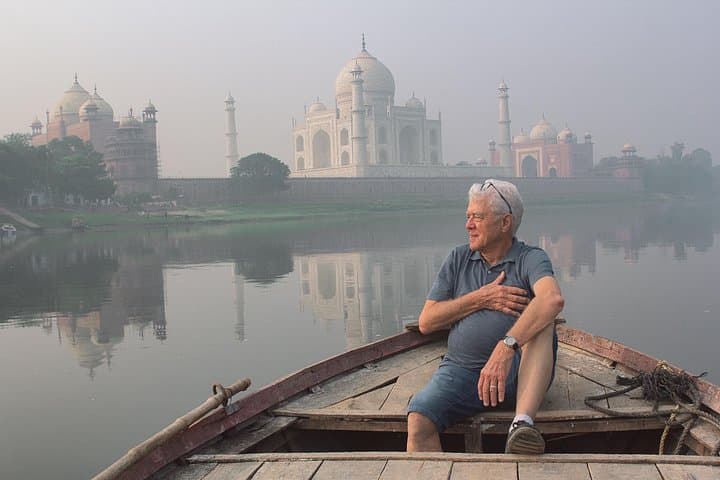
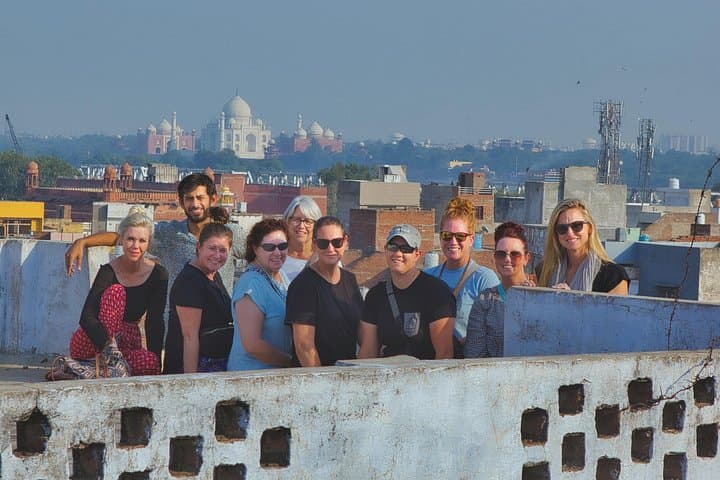
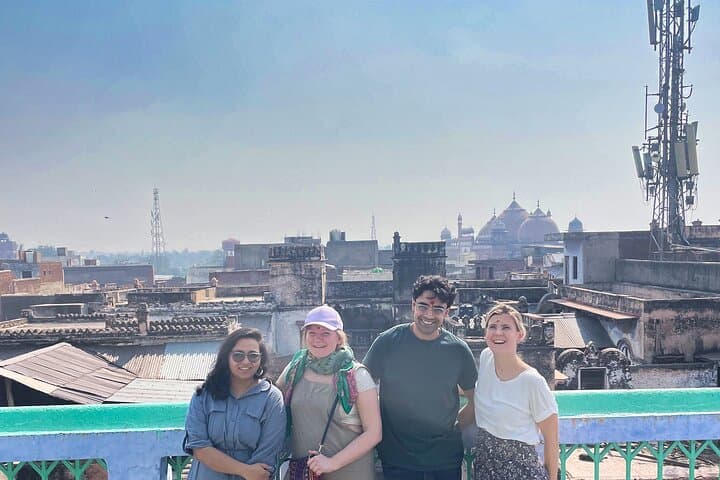
Morning light slides across the Yamuna and the Taj’s white dome holds the day like a promise. On this full-day cultural walk through Agra, the city moves around you – cyclists ring their bells, temple bells answer, and artisans at small worktables coax flowers of marble from stone.
Morning light slides across the Yamuna and the Taj’s white dome holds the day like a promise. On this full-day cultural walk through Agra, the city moves around you – cyclists ring their bells, temple bells answer, and artisans at small worktables coax flowers of marble from stone.
The route threads Mughal history into present-day life: Shah Jahan’s 17th‑century ambitions reshaped this floodplain of alluvial soils, and the red‑sandstone walls of Agra Fort still read like a manual of power. Local craftsmen practice pietra dura (marble inlay) and gold‑thread embroidery passed down through generations; those workshops are part showroom, part working studio. You’ll pass the Radhasoami and 17th‑century mosques that reveal overlapping faiths and the curious “Red Taj” marker in a Roman Catholic cemetery, a reminder of the city’s layered stories.
Expect a mostly flat, urban walking day with short drives between stops in an air‑conditioned vehicle. The sensory notes: marble chalk on the air, river birds edging the Yamuna, spice and cardamom from street vendors. Practicalities are simple — carry sun protection, comfortable shoes for several hours on paved and uneven surfaces, and modest clothing for religious sites.
Start early for the Taj to avoid crowds and heat; plan cash for small purchases and tip your guide if you appreciate local insights. The tour balances monument time with neighbourhood visits, giving space to both architecture and the living craft economy that keeps Agra’s heritage in motion.