THE ADVENTURE COLLECTIVE® · Independent discovery and booking for outdoor travel

Explore St. Augustine’s compact historic core on a 90‑minute walking tour that mixes Gilded Age intrigue, colonial streetscapes, and neighborhood secrets. Ideal for first‑time visitors who want the city’s stories served with local tips.
Explore St. Augustine’s compact historic core on a 90‑minute walking tour that mixes Gilded Age intrigue, colonial streetscapes, and neighborhood secrets. Ideal for first‑time visitors who want the city’s stories served with local tips.
You step off the Plaza de la Constitución and the city folds around you — narrow coquina walls, iron lanterns, and a breeze from Matanzas Bay that seems to whisper old rivalries and bootleg routes. Sebastian, the guide, leads a compact circuit along Aviles Street and the Plaza, turning corners where stones still remember Spanish footsteps and Gilded Age fortunes.
Verified experiences and guided adventures in the surrounding area.
Operated by Naughty History Tours · St. Augustine, Florida
You step off the Plaza de la Constitución and the city folds around you — narrow coquina walls, iron lanterns, and a breeze from Matanzas Bay that seems to whisper old rivalries and bootleg routes. Sebastian, the guide, leads a compact circuit along Aviles Street and the Plaza, turning corners where stones still remember Spanish footsteps and Gilded Age fortunes.
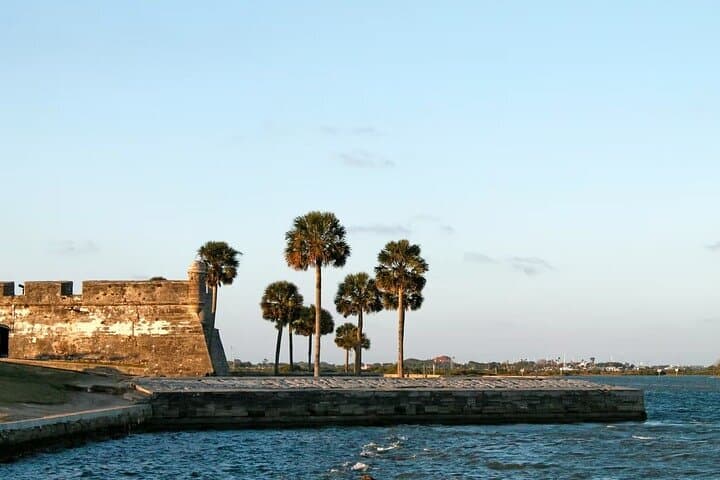
The route threads through layers of history: 16th‑century Spanish foundations beneath 19th‑century brick, the Flagler-era hotels and colleges built with northern money and southern labor, and intimate domestic stories from boarding houses and prohibition-era alleys. Geology here matters — coquina rock, a shell‑rich limestone, gave the town natural defense and a distinct texture to its buildings.
Culturally, the tour balances the ostentatious past of industrial magnates with quieter local histories — civil rights landmarks, surviving Victorian row houses, and the parish churches that shaped public life. Along the way Sebastian points out small details many visitors miss: inscriptions, hidden courtyards, and the clues that mark St. Augustine’s tug-of-war between tourist present and resident past.
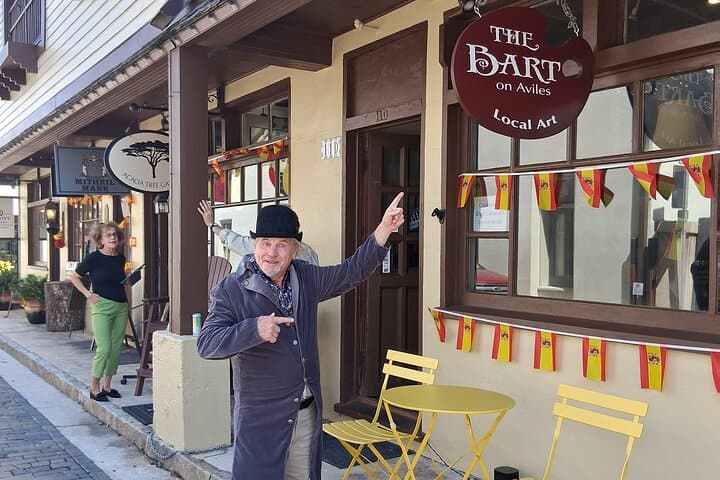
Practical guidance: this is an easy, paved 90‑minute walk with frequent stops; wear supportive shoes and sun protection, bring water, and plan to arrive a few minutes early to meet at the BART wine and art gallery on Aviles. The tour ends where it begins, giving you time to linger with a glass or continue exploring the old streets on your own.
easy.
1.5 hours.
Suitable for most fitness levels; participants should be able to walk on paved streets for 90 minutes with short pauses.
Meet at the BART wine and art gallery just off the Plaza de la Constitución on Aviles Street; arrive 10 minutes early.
Yes — the operator lists the route as wheelchair and stroller accessible; contact the provider in advance for specific assistance needs.
The tour is in English; inquire with the operator ahead of time about private tours in other languages.
Infants and small children in strollers are allowed and service animals are welcome; pets that are not service animals should be left at home or in lodging.
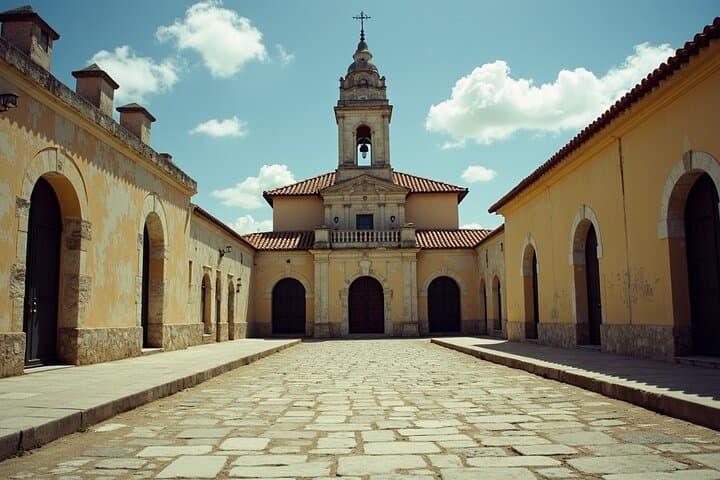
Founded by the Spanish in 1565, St. Augustine is the oldest continuously occupied European-established settlement in the continental U.S.; its streets reflect Spanish, British, and American layers, plus Flagler’s Gilded Age influence.
The historic district relies on preservation ordinances and careful foot traffic management; visitors can help by staying on marked paths, avoiding touching fragile architecture, and supporting local conservation efforts.
Naughty History Tours operates guided outdoor trips and adventures with an emphasis on safety, stewardship, and memorable experiences.
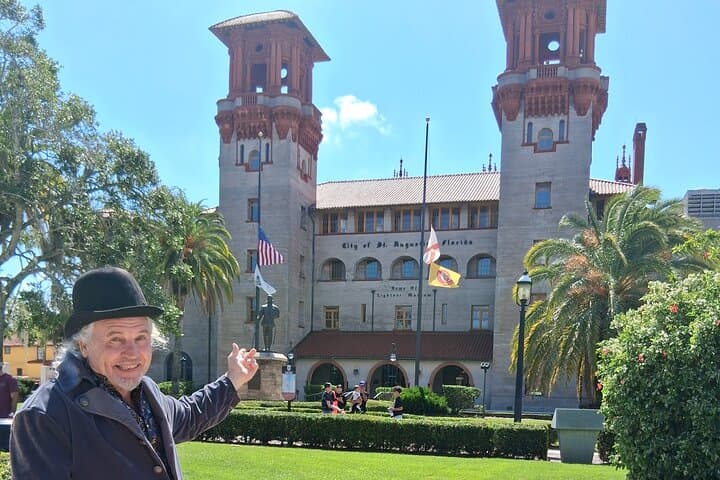
You step off the Plaza de la Constitución and the city folds around you — narrow coquina walls, iron lanterns, and a breeze from Matanzas Bay that seems to whisper old rivalries and bootleg routes. Sebastian, the guide, leads a compact circuit along Aviles Street and the Plaza, turning corners where stones still remember Spanish footsteps and Gilded Age fortunes.
You step off the Plaza de la Constitución and the city folds around you — narrow coquina walls, iron lanterns, and a breeze from Matanzas Bay that seems to whisper old rivalries and bootleg routes. Sebastian, the guide, leads a compact circuit along Aviles Street and the Plaza, turning corners where stones still remember Spanish footsteps and Gilded Age fortunes.
The route threads through layers of history: 16th‑century Spanish foundations beneath 19th‑century brick, the Flagler-era hotels and colleges built with northern money and southern labor, and intimate domestic stories from boarding houses and prohibition-era alleys. Geology here matters — coquina rock, a shell‑rich limestone, gave the town natural defense and a distinct texture to its buildings.
Culturally, the tour balances the ostentatious past of industrial magnates with quieter local histories — civil rights landmarks, surviving Victorian row houses, and the parish churches that shaped public life. Along the way Sebastian points out small details many visitors miss: inscriptions, hidden courtyards, and the clues that mark St. Augustine’s tug-of-war between tourist present and resident past.
Practical guidance: this is an easy, paved 90‑minute walk with frequent stops; wear supportive shoes and sun protection, bring water, and plan to arrive a few minutes early to meet at the BART wine and art gallery on Aviles. The tour ends where it begins, giving you time to linger with a glass or continue exploring the old streets on your own.