THE ADVENTURE COLLECTIVE® · Independent discovery and booking for outdoor travel

Wander the City of London’s oldest streets on a 90‑minute guided walk that uncovers Tudor gateways, Blitz‑scarred churches and hidden memorials. This compact tour pairs gritty history with accessible logistics—perfect for travelers who want depth in a short time.
Wander the City of London’s oldest streets on a 90‑minute guided walk that uncovers Tudor gateways, Blitz‑scarred churches and hidden memorials. This compact tour pairs gritty history with accessible logistics—perfect for travelers who want depth in a short time.
You step off the pavement and into lanes that lean close enough to hear each other's footsteps—narrow alleys where the brick is older than most countries and the air carries the hush of centuries. The guide points out a charred beam, then the curve of a Tudor doorway, and suddenly the City is less a map than a layered ledger of catastrophe and courage.
Verified experiences and guided adventures in the surrounding area.
Operated by Fun London Tours Ltd · London, Greater London
You step off the pavement and into lanes that lean close enough to hear each other's footsteps—narrow alleys where the brick is older than most countries and the air carries the hush of centuries. The guide points out a charred beam, then the curve of a Tudor doorway, and suddenly the City is less a map than a layered ledger of catastrophe and courage.
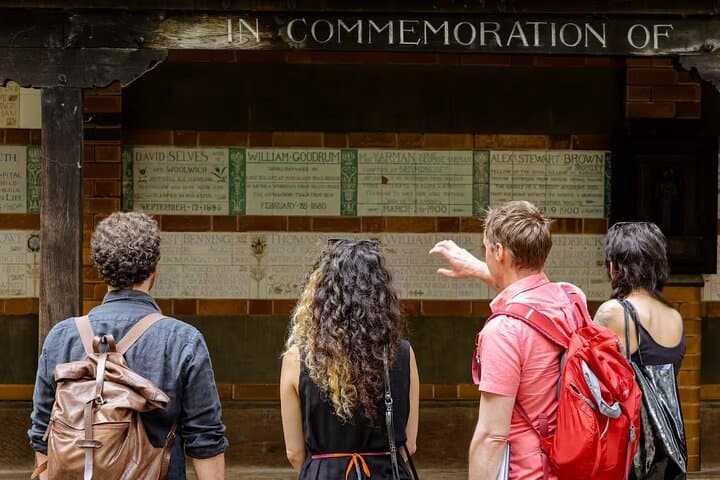
This 90-minute walk threads through London's oldest quarter: sites scarred by the Great Fire, echoes of the Black Death cemetery, and churches hollowed by the Blitz. Geology here is subtle—London clay underpins crooked streets and the rise-and-fall that shaped Roman, medieval and Tudor footprints. Culture and commerce collide in the market lane used for 800 years; memorials mark Protestant martyrs and the quiet heroism celebrated in Postman's Park.
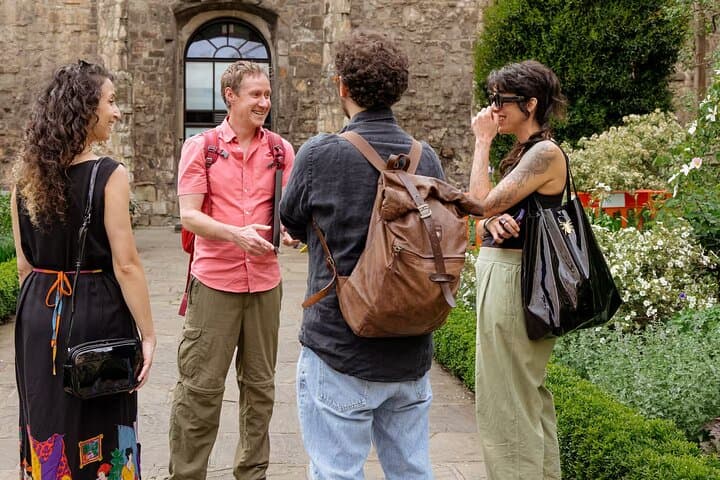
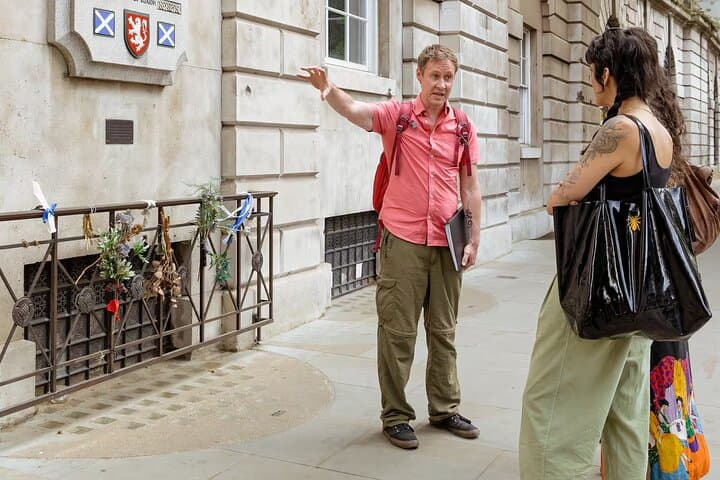
Expect concrete history: a shell of a bombed church, the gateway of a 16th-century merchant’s house, and the spot associated with William Wallace’s end. The tour balances grim moments with lighter stops—churchyards used in film, hidden courtyards, and a Roman amphitheatre foundation visible at street level.
Practical guidance: comfortable shoes and a layered jacket matter more than height or stamina—pavement is firm but uneven in places. The route is accessible by Tube and suitable for most fitness levels; children must be accompanied. Aim for morning departures to avoid midafternoon crowds and catch softer light for photos. Bring a reusable bottle and plan a little extra time afterwards to linger in a quiet garden or tuck into a nearby historic pub.
easy.
1.5 hours.
Suitable for most fitness levels; involves walking on city pavements and short staircases, minimal elevation.
Meeting details are provided on your booking confirmation; guides usually wait near a prominent landmark or outside a named pub—arrive 10 minutes early and look for someone with the tour company sign.
Much of the route is on firm, wheelchair‑accessible pavements and some sites are accessible, but certain alleys may be narrow—contact the operator ahead for specifics or alternative routing.
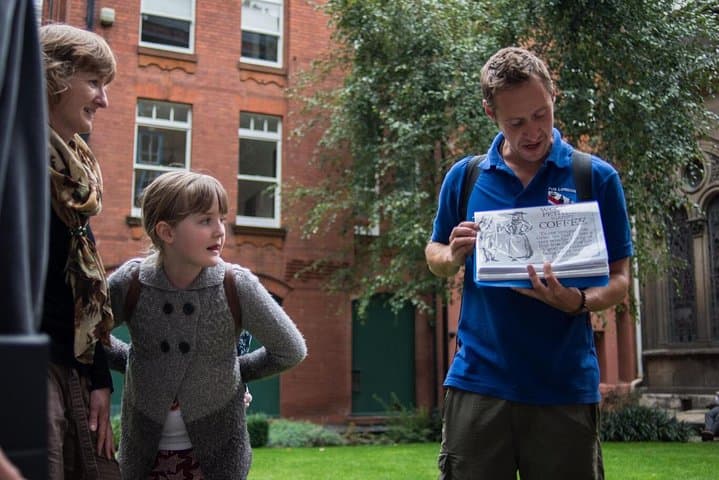
Yes—children are welcome but must be accompanied by an adult; the content includes historic events that some families may find graphic.
Photography is allowed at most stops; the itinerary includes brief pauses but not long breaks—plan to arrive early or stay after the tour to explore favoured spots.
This area holds layers from Roman occupation through medieval trade, Tudor courts, the Great Fire of 1666 and heavy bombing in the Blitz—each era left visible marks on streets and churches.
Manage foot traffic to protect fragile archaeological remains and historic fabric; visitors are asked to stay on paths, avoid touching delicate masonry and respect churchyard rules.
Fun London Tours Ltd operates guided outdoor trips and adventures with an emphasis on safety, stewardship, and memorable experiences.
You step off the pavement and into lanes that lean close enough to hear each other's footsteps—narrow alleys where the brick is older than most countries and the air carries the hush of centuries. The guide points out a charred beam, then the curve of a Tudor doorway, and suddenly the City is less a map than a layered ledger of catastrophe and courage.
You step off the pavement and into lanes that lean close enough to hear each other's footsteps—narrow alleys where the brick is older than most countries and the air carries the hush of centuries. The guide points out a charred beam, then the curve of a Tudor doorway, and suddenly the City is less a map than a layered ledger of catastrophe and courage.
This 90-minute walk threads through London's oldest quarter: sites scarred by the Great Fire, echoes of the Black Death cemetery, and churches hollowed by the Blitz. Geology here is subtle—London clay underpins crooked streets and the rise-and-fall that shaped Roman, medieval and Tudor footprints. Culture and commerce collide in the market lane used for 800 years; memorials mark Protestant martyrs and the quiet heroism celebrated in Postman's Park.
Expect concrete history: a shell of a bombed church, the gateway of a 16th-century merchant’s house, and the spot associated with William Wallace’s end. The tour balances grim moments with lighter stops—churchyards used in film, hidden courtyards, and a Roman amphitheatre foundation visible at street level.
Practical guidance: comfortable shoes and a layered jacket matter more than height or stamina—pavement is firm but uneven in places. The route is accessible by Tube and suitable for most fitness levels; children must be accompanied. Aim for morning departures to avoid midafternoon crowds and catch softer light for photos. Bring a reusable bottle and plan a little extra time afterwards to linger in a quiet garden or tuck into a nearby historic pub.