THE ADVENTURE COLLECTIVE® · Independent discovery and booking for outdoor travel

Wander Marchena’s historic heart on a two-hour private walking route that moves from a Muslim-era arch to a Renaissance palace and an alcazaba viewpoint. Expect cobbled streets, compact plazas and layered architectural history.
Wander Marchena’s historic heart on a two-hour private walking route that moves from a Muslim-era arch to a Renaissance palace and an alcazaba viewpoint. Expect cobbled streets, compact plazas and layered architectural history.
You step into San Andrés Square and the town rearranges itself: narrow streets angle like chapters, a bell tower clears the air, and the Arch of the Rose frames a corridor of layered histories.
Verified experiences and guided adventures in the surrounding area.
Operated by REVISTA SABER MAS · Marchena, Andalucía
You step into San Andrés Square and the town rearranges itself: narrow streets angle like chapters, a bell tower clears the air, and the Arch of the Rose frames a corridor of layered histories.
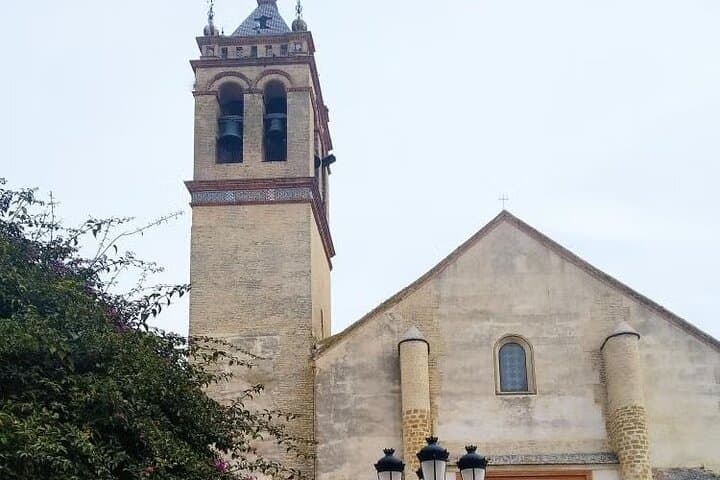
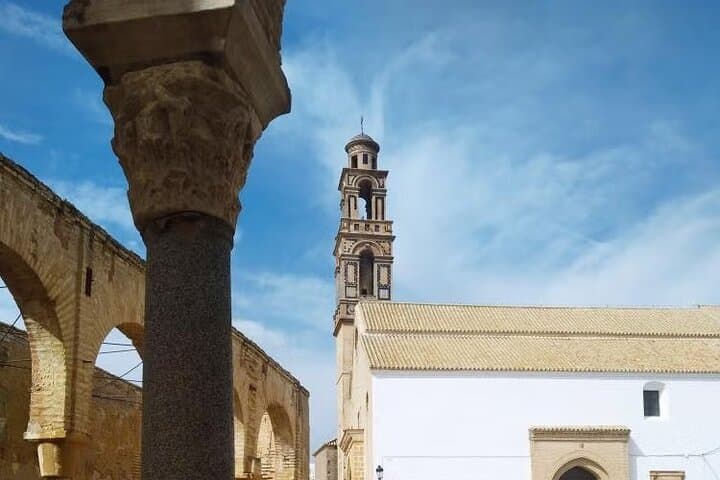
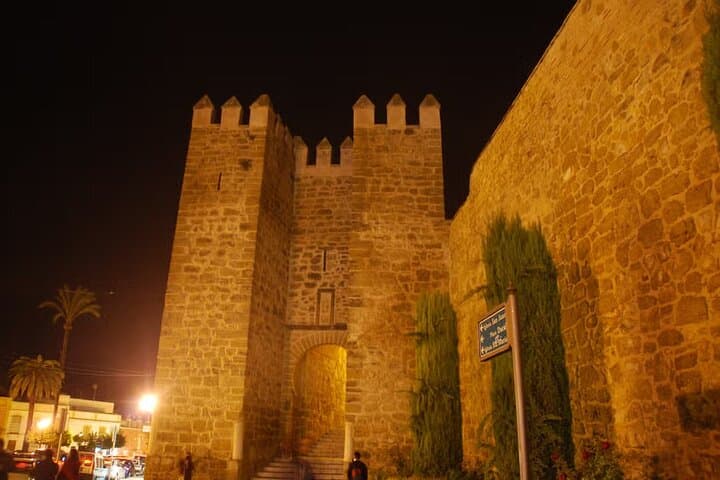
This two-hour guided route threads Marchena’s compact center, where Roman foundations, an Islamic past and Renaissance ambition leave readable marks in stone. The Arch of the Rose dates to the town’s Muslim period and opens onto streets that lead to the Doge’s Palace of Santa María — a building where Renaissance geometry meets Baroque ornamentation. The Ducal Square still holds the cadence of markets and public life, while the Ronda de la Alcazaba viewpoint gives a broad visual edit: terracotta roofs, church towers, and open cereal fields that advance like a slow, breathing ocean.
Geologically, Marchena sits on the gentle sedimentary plains east of Seville; soils and low relief shaped agricultural patterns visible from the viewpoint. Culturally, local life centers on small plazas, family-run bakeries and flamenco traditions that flare during festivals. The tour finishes at Santa María de la Mota, a church built over the old alcázar — a physical overlap of faith and fortification.
Practical guidance: wear supportive walking shoes for cobblestones and uneven thresholds, carry water and sun protection during summer, and bring a light layer for breezy evenings. The route is mostly flat and accessible by public transport; expect frequent stops for history, photos and short walks between monuments. Small-group, private formats make it easy to ask about architecture, local legends and recommended cafés to continue your visit.
easy.
1.5–2 hours.
Suitable for most people who can walk on flat, paved or cobbled streets for up to two hours
The meeting point is San Andrés Square; the tour finishes at the church of Santa María de la Mota.
Many central streets and plazas are accessible, but some cobbled thresholds and narrow lanes may require assistance—ask the operator for specific accessibility details.
Private tours often offer English and other languages on request; check booking options when reserving.
Yes—strollers are possible in most areas, but caregivers should be prepared for cobbles and short standing periods.
Marchena’s core grew from an Islamic alcázar; later noble patronage during the Renaissance produced many of the churches and palaces visible today.
The town manages foot traffic in sensitive historic zones and encourages reuse of buildings rather than new construction to preserve character and reduce environmental impact.
REVISTA SABER MAS operates guided outdoor trips and adventures with an emphasis on safety, stewardship, and memorable experiences.
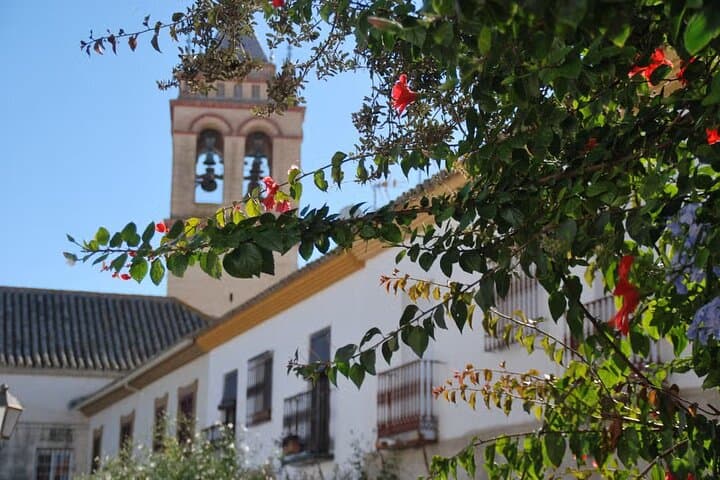
You step into San Andrés Square and the town rearranges itself: narrow streets angle like chapters, a bell tower clears the air, and the Arch of the Rose frames a corridor of layered histories.
You step into San Andrés Square and the town rearranges itself: narrow streets angle like chapters, a bell tower clears the air, and the Arch of the Rose frames a corridor of layered histories.
This two-hour guided route threads Marchena’s compact center, where Roman foundations, an Islamic past and Renaissance ambition leave readable marks in stone. The Arch of the Rose dates to the town’s Muslim period and opens onto streets that lead to the Doge’s Palace of Santa María — a building where Renaissance geometry meets Baroque ornamentation. The Ducal Square still holds the cadence of markets and public life, while the Ronda de la Alcazaba viewpoint gives a broad visual edit: terracotta roofs, church towers, and open cereal fields that advance like a slow, breathing ocean.
Geologically, Marchena sits on the gentle sedimentary plains east of Seville; soils and low relief shaped agricultural patterns visible from the viewpoint. Culturally, local life centers on small plazas, family-run bakeries and flamenco traditions that flare during festivals. The tour finishes at Santa María de la Mota, a church built over the old alcázar — a physical overlap of faith and fortification.
Practical guidance: wear supportive walking shoes for cobblestones and uneven thresholds, carry water and sun protection during summer, and bring a light layer for breezy evenings. The route is mostly flat and accessible by public transport; expect frequent stops for history, photos and short walks between monuments. Small-group, private formats make it easy to ask about architecture, local legends and recommended cafés to continue your visit.