THE ADVENTURE COLLECTIVE® · Independent discovery and booking for outdoor travel

Pedal through eastern Kyoto’s temple lanes, sip matcha in a local garden, and dodge tour-bus crowds by taking backstreets that reveal quieter neighborhoods. This 2–2.5 hour guided ride mixes cultural history with practical city cycling.
Pedal through eastern Kyoto’s temple lanes, sip matcha in a local garden, and dodge tour-bus crowds by taking backstreets that reveal quieter neighborhoods. This 2–2.5 hour guided ride mixes cultural history with practical city cycling.
The tour begins with the quiet clack of pedals beneath paper lantern light as the group slips onto the narrow lanes east of the Kamo River. Rice-paper shopfronts and low temple roofs unspool like pages as the guide steers the small convoy into shaded alleys and beside willow-fringed canals. The air tastes faintly of matcha and incense; the city seems to lean in to watch.
Verified experiences and guided adventures in the surrounding area.
Operated by 株式会社 MATATABI · Kyoto, Kyoto
The tour begins with the quiet clack of pedals beneath paper lantern light as the group slips onto the narrow lanes east of the Kamo River. Rice-paper shopfronts and low temple roofs unspool like pages as the guide steers the small convoy into shaded alleys and beside willow-fringed canals. The air tastes faintly of matcha and incense; the city seems to lean in to watch.
Eastern Kyoto (Higashiyama) preserves centuries of urban layering: medieval merchant streets, Edo-period woodwork, and Heian-era temple sites sited against older volcanic deposits that shape the basin’s gentle ridgelines. Cycling here is cultural archaeology at walking speed — torii gates, stone lanterns, and imperial gardens appear in quick succession, each with a local anecdote from the guide.
Expect pockets of quiet: a temple garden that still waters koi beneath moss-carved stones, a tea-house serving freshly whisked matcha, and backstreets used by locals rather than tour buses. The route uses low-traffic lanes and bike-friendly paths to cover more ground than a walking tour while staying intimate.
Practical guidance: bring a comfortable saddle, shoes you can clip in or pedal flat, and dress in breathable layers; Kyoto’s microclimates shift from riverside cool to sunlit temple courtyards. Hydrate before you start — the pace is steady but continuous — and keep camera and cash accessible for small shrine donations or a tea tasting. The tour suits riders with basic bike-handling skills and moderate fitness and is an efficient, immersive way to see eastern Kyoto’s cultural highlights in a compact window.
moderate.
2–2.5 hours.
Moderate — comfortable riding on city streets for up to 2.5 hours with short walks and occasional standing required.
Yes—bicycles and helmets are provided; guides will check fit and safety before departure.
Children aged 1–3 may join with a special bike available for an extra fee paid locally; older children should be confident cyclists.
Moderate fitness is recommended—riders should be comfortable cycling for about two hours with short stops and brief walking at sights.
Full refund if you cancel at least 24 hours before the scheduled departure; no refund within 24 hours.
Higashiyama’s streets trace Kyoto’s role as Japan’s imperial capital; many temples and shrines here grew during the Heian and Edo periods and reflect layered urban development.
Keep to designated paths, avoid feeding wildlife, and carry out trash; small, respectful actions preserve the fragile gardens and temple precincts.
株式会社 MATATABI operates guided outdoor trips and adventures with an emphasis on safety, stewardship, and memorable experiences.
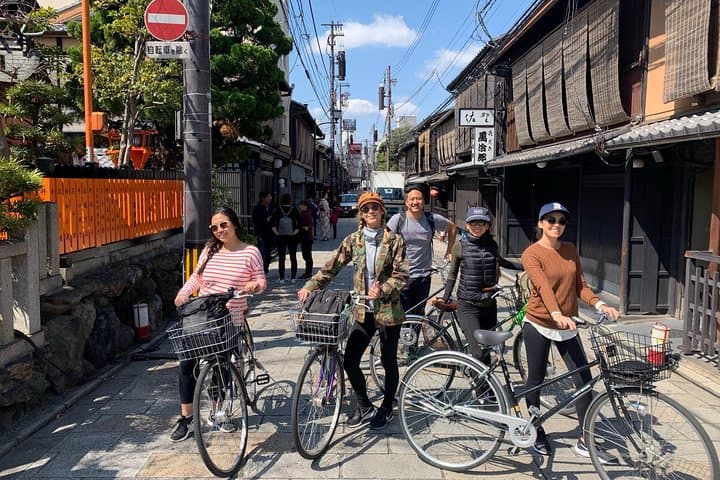
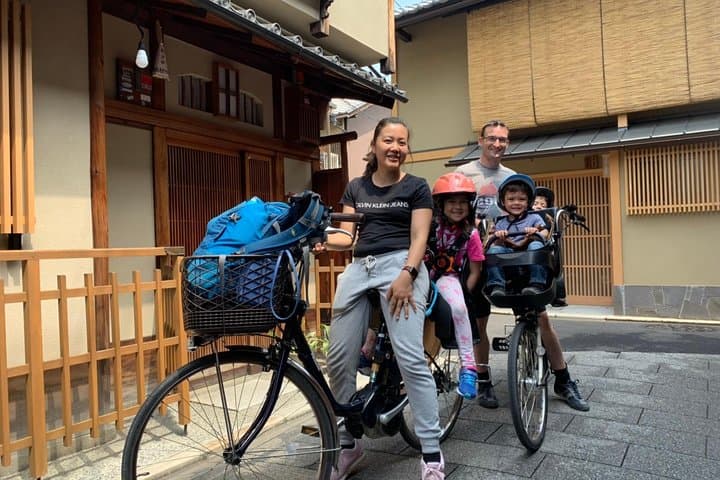
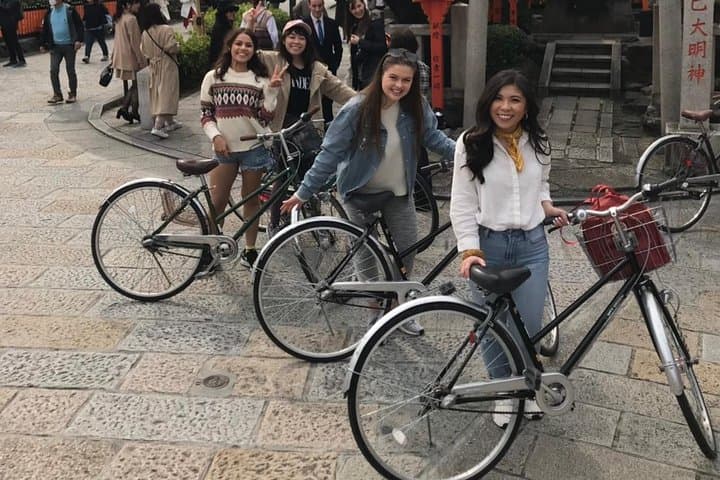
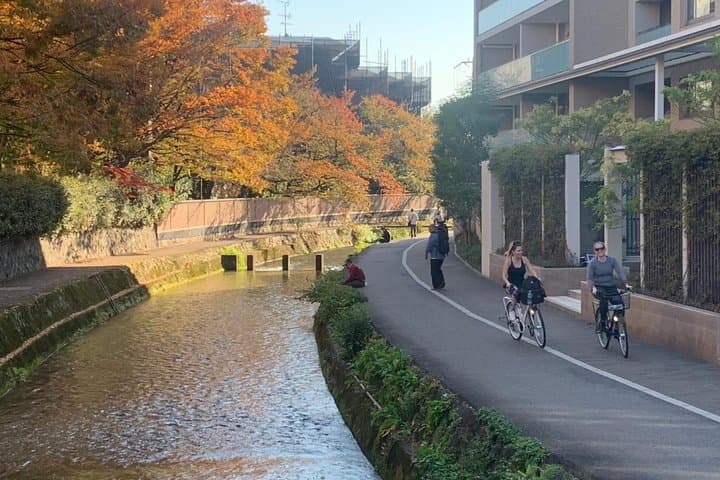
The tour begins with the quiet clack of pedals beneath paper lantern light as the group slips onto the narrow lanes east of the Kamo River. Rice-paper shopfronts and low temple roofs unspool like pages as the guide steers the small convoy into shaded alleys and beside willow-fringed canals. The air tastes faintly of matcha and incense; the city seems to lean in to watch.
The tour begins with the quiet clack of pedals beneath paper lantern light as the group slips onto the narrow lanes east of the Kamo River. Rice-paper shopfronts and low temple roofs unspool like pages as the guide steers the small convoy into shaded alleys and beside willow-fringed canals. The air tastes faintly of matcha and incense; the city seems to lean in to watch.
Eastern Kyoto (Higashiyama) preserves centuries of urban layering: medieval merchant streets, Edo-period woodwork, and Heian-era temple sites sited against older volcanic deposits that shape the basin’s gentle ridgelines. Cycling here is cultural archaeology at walking speed — torii gates, stone lanterns, and imperial gardens appear in quick succession, each with a local anecdote from the guide.
Expect pockets of quiet: a temple garden that still waters koi beneath moss-carved stones, a tea-house serving freshly whisked matcha, and backstreets used by locals rather than tour buses. The route uses low-traffic lanes and bike-friendly paths to cover more ground than a walking tour while staying intimate.
Practical guidance: bring a comfortable saddle, shoes you can clip in or pedal flat, and dress in breathable layers; Kyoto’s microclimates shift from riverside cool to sunlit temple courtyards. Hydrate before you start — the pace is steady but continuous — and keep camera and cash accessible for small shrine donations or a tea tasting. The tour suits riders with basic bike-handling skills and moderate fitness and is an efficient, immersive way to see eastern Kyoto’s cultural highlights in a compact window.