THE ADVENTURE COLLECTIVE® · Independent discovery and booking for outdoor travel

Escape Rio’s bustle for a remote, protected stretch of Grumari beach where Atlantic Forest meets the sea. This half-day excursion delivers quiet sand, tide pools, and a small local lunch option—perfect for nature-minded travelers wanting an unspoiled coastal experience.
Escape Rio’s bustle for a remote, protected stretch of Grumari beach where Atlantic Forest meets the sea. This half-day excursion delivers quiet sand, tide pools, and a small local lunch option—perfect for nature-minded travelers wanting an unspoiled coastal experience.
The engine eases and the city noise thins as the road unspools west toward Grumari. Palm-fringed ridges fold into the Atlantic and a breath of salt and wet forest rises to meet you; waves at the shore seem to draw you in, then politely hold their distance. By the time you step onto the sand of this protected cove, the ocean feels like a deliberate companion—pushing, testing, then resting.
Verified experiences and guided adventures in the surrounding area.
Operated by Spiritual Travel in Rio · Rio de Janeiro, Rio de Janeiro
The engine eases and the city noise thins as the road unspools west toward Grumari. Palm-fringed ridges fold into the Atlantic and a breath of salt and wet forest rises to meet you; waves at the shore seem to draw you in, then politely hold their distance. By the time you step onto the sand of this protected cove, the ocean feels like a deliberate companion—pushing, testing, then resting.
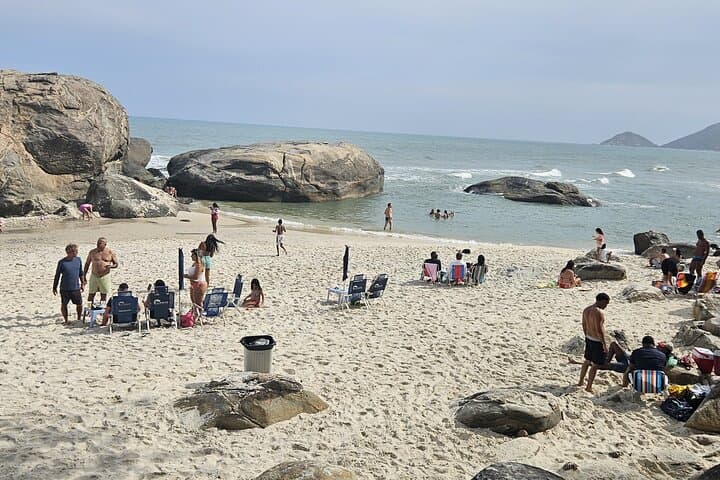
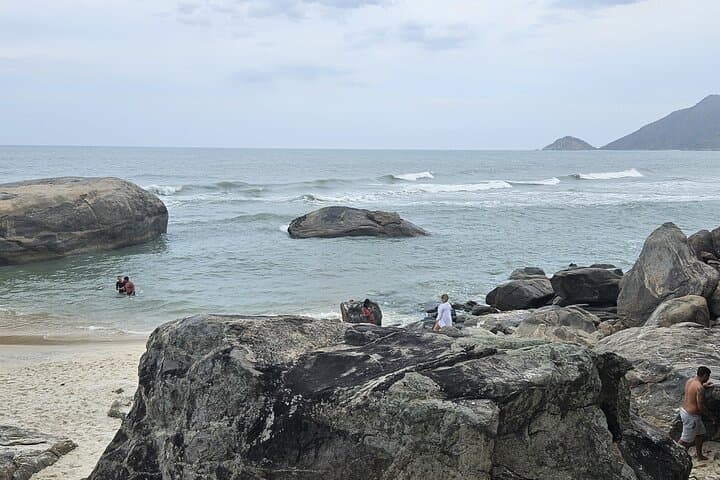
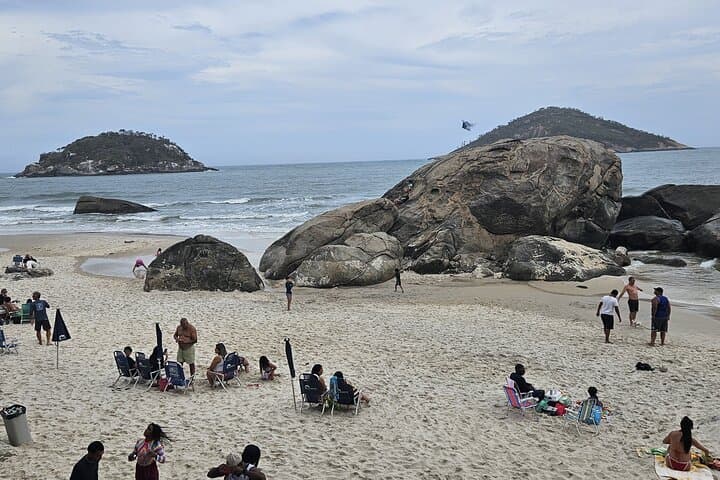
Grumari sits inside an Environmental Protection Area where Atlantic Forest spills down to dunes and rocky points. Once used by small fishing communities, the coastline is now managed to limit development, which keeps the beaches wide, the forests intact, and the culture quietly local—simple kiosks, fishermen’s boats, and surfable breaks nearby. Geology here alternates between fine golden sand and dark volcanic outcrops, producing sheltered tide pools and exposed headlands.
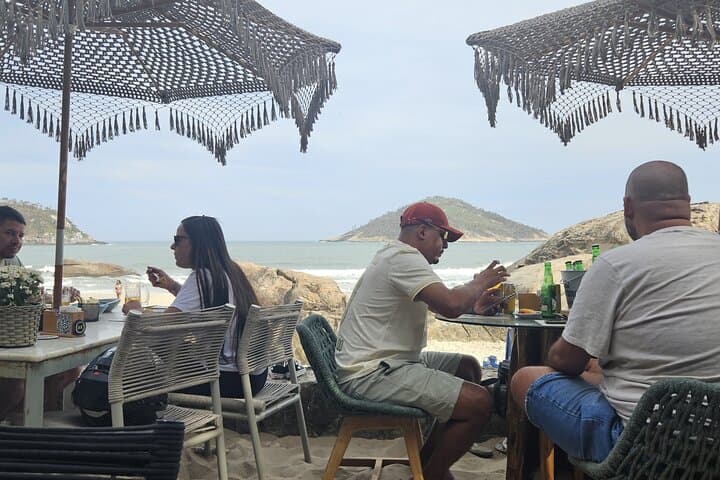
Expect minimal infrastructure: this is a beach day built around seclusion rather than amenities. The tour typically includes hotel pickup from Copacabana, Ipanema or Leblon, about a 60–90 minute drive depending on traffic, and roughly three hours on the beach for swimming, walking, and a self-paid lunch at a small seaside restaurant.
Practical notes: bring reef-safe sunscreen, water, and footwear you can shake sand out of. Tides change the feel of the shore quickly; check timing if you plan to explore rock pools or photograph the coastline. If you want solitude, aim for a weekday morning—Grumari rewards early arrivals with long stretches of private sand and calm water for observing birds and marine life.
easy.
4 hours.
Suitable for most fitness levels; involves short walks on sand and occasional uneven rocky sections.
Expect 60–90 minutes from Copacabana or Ipanema depending on traffic; the tour includes hotel pickup in those neighborhoods.
No — lunch is typically at a small seaside kiosk or restaurant on the beach and is paid for on-site.
Facilities are basic and limited; plan accordingly and carry hand sanitizer and tissues.
Yes in the sheltered areas, but watch for rips and heed local advice—avoid swimming alone in unfamiliar surf.
Grumari lies within a protected Environmental Protection Area where traditional fishing hamlets once operated; preservation laws now limit development to keep the landscape intact.
The area is part of a managed reserve—stick to paths, avoid single-use plastics, and use reef-safe products to reduce impact.
Spiritual Travel in Rio operates guided outdoor trips and adventures with an emphasis on safety, stewardship, and memorable experiences.
The engine eases and the city noise thins as the road unspools west toward Grumari. Palm-fringed ridges fold into the Atlantic and a breath of salt and wet forest rises to meet you; waves at the shore seem to draw you in, then politely hold their distance. By the time you step onto the sand of this protected cove, the ocean feels like a deliberate companion—pushing, testing, then resting.
The engine eases and the city noise thins as the road unspools west toward Grumari. Palm-fringed ridges fold into the Atlantic and a breath of salt and wet forest rises to meet you; waves at the shore seem to draw you in, then politely hold their distance. By the time you step onto the sand of this protected cove, the ocean feels like a deliberate companion—pushing, testing, then resting.
Grumari sits inside an Environmental Protection Area where Atlantic Forest spills down to dunes and rocky points. Once used by small fishing communities, the coastline is now managed to limit development, which keeps the beaches wide, the forests intact, and the culture quietly local—simple kiosks, fishermen’s boats, and surfable breaks nearby. Geology here alternates between fine golden sand and dark volcanic outcrops, producing sheltered tide pools and exposed headlands.
Expect minimal infrastructure: this is a beach day built around seclusion rather than amenities. The tour typically includes hotel pickup from Copacabana, Ipanema or Leblon, about a 60–90 minute drive depending on traffic, and roughly three hours on the beach for swimming, walking, and a self-paid lunch at a small seaside restaurant.
Practical notes: bring reef-safe sunscreen, water, and footwear you can shake sand out of. Tides change the feel of the shore quickly; check timing if you plan to explore rock pools or photograph the coastline. If you want solitude, aim for a weekday morning—Grumari rewards early arrivals with long stretches of private sand and calm water for observing birds and marine life.