THE ADVENTURE COLLECTIVE® · Independent discovery and booking for outdoor travel

Glide through narrow mangrove tunnels and finish at a dolphin-frequented sandbar on this six-hour Indian River Lagoon expedition. Expect calm paddling, close wildlife encounters and a motorized return with a waterside lunch stop.
Glide through narrow mangrove tunnels and finish at a dolphin-frequented sandbar on this six-hour Indian River Lagoon expedition. Expect calm paddling, close wildlife encounters and a motorized return with a waterside lunch stop.
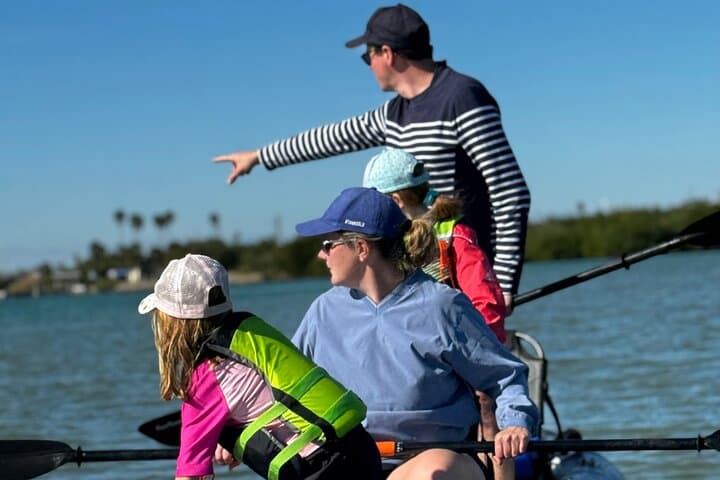
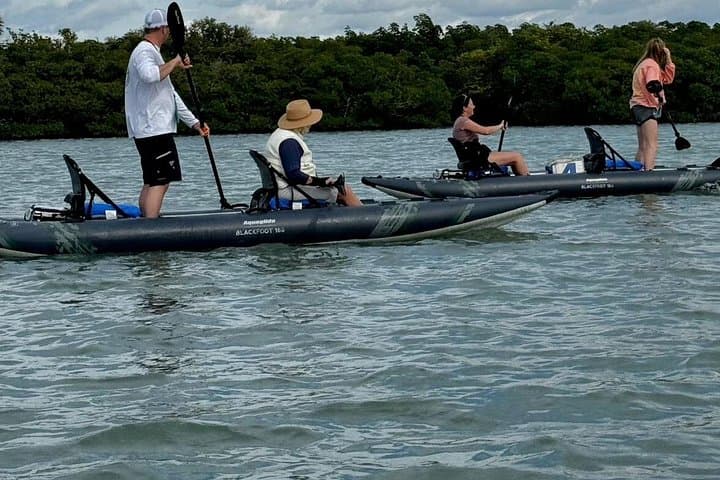
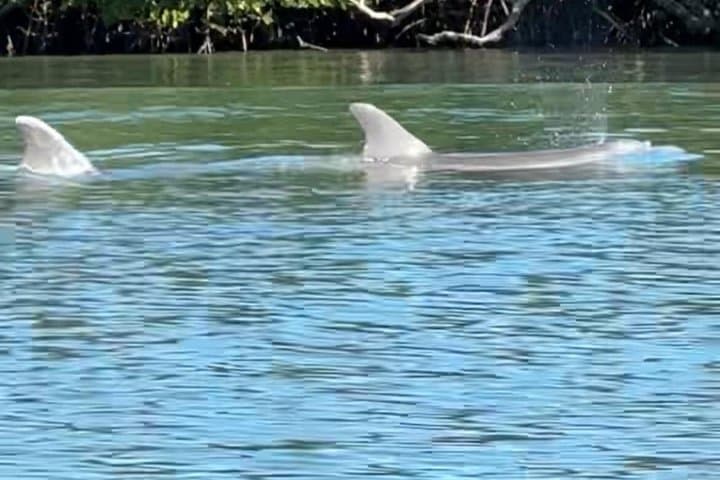
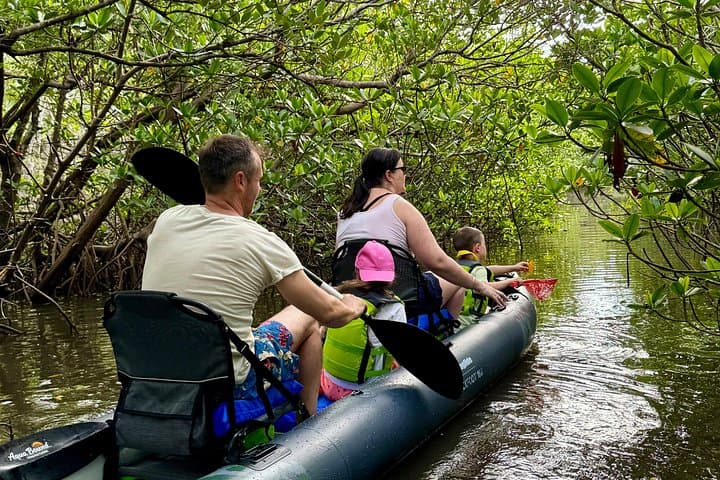
You push off into green shadow—mangrove roots arching overhead like a carved doorway—and the estuary exhales salt and sunlight. Narrow channels force a steady, deliberate stroke; water slips past your hull and the world contracts to paddles, birdcalls and the soft slap of a distant wake. After three miles of hand-powered exploration the guide rigs an electric motor for a relaxed three-mile return across open flats and to a sandbar where dolphins often herd and manatees glide.
Verified experiences and guided adventures in the surrounding area.
Operated by Rivers to Ocean Kayaking · Fort Pierce, Florida
You push off into green shadow—mangrove roots arching overhead like a carved doorway—and the estuary exhales salt and sunlight. Narrow channels force a steady, deliberate stroke; water slips past your hull and the world contracts to paddles, birdcalls and the soft slap of a distant wake. After three miles of hand-powered exploration the guide rigs an electric motor for a relaxed three-mile return across open flats and to a sandbar where dolphins often herd and manatees glide.
This stretch of the Indian River Lagoon reflects 20,000 years of coastal change: barrier islands shifting, estuaries filling with seagrass, and mangrove forests reclaiming tidal edges. The area’s maritime culture grew around fishing and small waterside stores—sites you’ll pass that still serve lunch and bait. Geologically the lagoon is a shallow estuary carved by sea-level rise and riverine sediments; ecologically it’s a mosaic of mangrove roots, oyster bars and sandy flats.
Expect intimate wildlife viewing: shorebirds, rays, dolphins and the slow bulk of manatees. Tides shape the itinerary—low tide exposes sandbars for swimming and at high tide the mangrove tunnels become broader and gentler. The trip is part guided paddle, part motorized wildlife cruise, aimed at observers rather than adrenaline seekers.
Practical edge: bring reef-safe sunscreen, a secure dry bag, quick-dry footwear and a reusable water bottle. Wear layers you can swim in; the trip runs six hours and includes a waterside lunch stop where food and drinks are available for purchase. Check tide times and book morning departures for calmer water and stronger wildlife activity.
moderate.
6 hours.
Moderately fit — ability to paddle 3 miles and sit in a kayak for several hours; comfortable swimming.
No advanced skills required—guides brief paddlers and assist in mangrove tunnels; a basic ability to paddle and re-enter a kayak is helpful.
Yes, if tide and conditions permit—guides assess safety; be mindful of local wildlife and avoid chasing dolphins or manatees.
Yes; ages 11 and younger are free but the tour requires one adult per child (1:1 ratio) and life vests are provided.
Common sightings include bottlenose dolphins, manatees, southern stingrays and a variety of shorebirds and wading birds.
The Indian River Lagoon supported local fisheries and small marinas for generations; nearby waterside stores still reflect the area’s working‑water heritage.
The lagoon is ecologically sensitive—use reef‑safe sunscreen, avoid touching seagrass or wildlife, and follow guide instructions to minimize disturbance.
Rivers to Ocean Kayaking operates guided outdoor trips and adventures with an emphasis on safety, stewardship, and memorable experiences.
You push off into green shadow—mangrove roots arching overhead like a carved doorway—and the estuary exhales salt and sunlight. Narrow channels force a steady, deliberate stroke; water slips past your hull and the world contracts to paddles, birdcalls and the soft slap of a distant wake. After three miles of hand-powered exploration the guide rigs an electric motor for a relaxed three-mile return across open flats and to a sandbar where dolphins often herd and manatees glide.
You push off into green shadow—mangrove roots arching overhead like a carved doorway—and the estuary exhales salt and sunlight. Narrow channels force a steady, deliberate stroke; water slips past your hull and the world contracts to paddles, birdcalls and the soft slap of a distant wake. After three miles of hand-powered exploration the guide rigs an electric motor for a relaxed three-mile return across open flats and to a sandbar where dolphins often herd and manatees glide.
This stretch of the Indian River Lagoon reflects 20,000 years of coastal change: barrier islands shifting, estuaries filling with seagrass, and mangrove forests reclaiming tidal edges. The area’s maritime culture grew around fishing and small waterside stores—sites you’ll pass that still serve lunch and bait. Geologically the lagoon is a shallow estuary carved by sea-level rise and riverine sediments; ecologically it’s a mosaic of mangrove roots, oyster bars and sandy flats.
Expect intimate wildlife viewing: shorebirds, rays, dolphins and the slow bulk of manatees. Tides shape the itinerary—low tide exposes sandbars for swimming and at high tide the mangrove tunnels become broader and gentler. The trip is part guided paddle, part motorized wildlife cruise, aimed at observers rather than adrenaline seekers.
Practical edge: bring reef-safe sunscreen, a secure dry bag, quick-dry footwear and a reusable water bottle. Wear layers you can swim in; the trip runs six hours and includes a waterside lunch stop where food and drinks are available for purchase. Check tide times and book morning departures for calmer water and stronger wildlife activity.