THE ADVENTURE COLLECTIVE® · Independent discovery and booking for outdoor travel

Depart Pier 69 for a 3–5 hour Salish Sea cruise that searches for transient orcas, humpbacks and minkes while an onboard naturalist explains marine ecology and responsible viewing. Ideal for a downtown Seattle escape with big water views and accessible wildlife-watching.
Depart Pier 69 for a 3–5 hour Salish Sea cruise that searches for transient orcas, humpbacks and minkes while an onboard naturalist explains marine ecology and responsible viewing. Ideal for a downtown Seattle escape with big water views and accessible wildlife-watching.
The ferry slips away from the shadow of the Space Needle and the city falls behind like a photograph pushed into your pocket. Salt air replaces car exhaust; gulls ride the wake and the skyline bends into a coastal horizon. On this 3–5 hour wildlife cruise from Pier 69, the Salish Sea takes center stage — islands, channels and the serrated silhouette of the Olympics frame a search for transient orcas, humpbacks and minkes.
Verified experiences and guided adventures in the surrounding area.
Operated by FRS Clipper · Seattle, Washington
The ferry slips away from the shadow of the Space Needle and the city falls behind like a photograph pushed into your pocket. Salt air replaces car exhaust; gulls ride the wake and the skyline bends into a coastal horizon. On this 3–5 hour wildlife cruise from Pier 69, the Salish Sea takes center stage — islands, channels and the serrated silhouette of the Olympics frame a search for transient orcas, humpbacks and minkes.
The water here is shaped by glaciers and tides. Millennia of ice carved deep channels and left a scatter of islands that set migration routes and feeding grounds for salmon — the lifeblood that draws whales. For generations the Coast Salish peoples navigated these same waters; today guides pair natural-history narration with respect for Indigenous relationships to the sea, explaining how local fisheries, shipping lanes and conservation efforts intersect with whale behavior.
The vessel keeps a quiet, respectful footprint: naturalists on board interpret sightings, enforce viewing distances and explain why transients—mammal-eating orcas—move through differently than the resident fish-eating pods that visit northern channels. Beyond whales you’ll watch harbor seals haul out on rocks, bald eagles quarter the shoreline and porpoises ripple like punctuation in the wake. The geology is readable from the deck — glacial erratics, driftwood beaches and the ramped contours of the Olympic foothills.
Practicalities are straightforward. The tour departs Pier 69 on Seattle’s downtown waterfront (arrive 45 minutes early to check in). Bring layered clothing — windproof outerwear is critical even in summer — and binoculars or a zoom lens. Motion-sickness medication is a smart move for anyone prone to queasiness; the captain’s route favors sheltered channels but the Salish Sea can be choppy when weather shifts.
Plan to keep your camera ready but relaxed: the best shots come from patience and reading the water, not frantic framing. Guides will radio other boats when whales are spotted; when they surface, move slowly, step to open railings and let the animal set the scene. If you want quieter time, ask about smaller departures and midweek sailings—weekends draw larger crowds.
This is an accessible, educational escape for visitors staying in Seattle who want a concentrated dose of Pacific Northwest marine life. It’s not a guaranteed close encounter — wildlife is wild — but the odds and the learning are excellent. Leave the cityscape behind for a half day and let the Salish Sea make its case: identifiable, untamed, and surprisingly intimate when a humpback exhales nearby.
easy.
3–5 hours.
Suitable for most fitness levels; requires ability to move on a vessel and stand for photos.
The outing runs approximately 3 to 5 hours depending on sightings and sea conditions.
Meet at the FRS Clipper Terminal on Seattle’s Pier 69; arrive 45 minutes before departure to check in.
No — wildlife is wild. Guides maximize chances by following reports and using a naturalist’s knowledge, but encounters cannot be guaranteed.
Yes — the operator lists accessibility options; contact the provider ahead of time to arrange assistance.
Dress in layers with a windproof outer shell; temperatures on the water are often several degrees cooler than onshore.
Children are allowed (infants must sit on an adult’s lap); service animals are permitted but pets are not advised due to safety and regulations.
These waters have been traveled for millennia by Coast Salish communities; later, 19th-century maritime trade and fishing shaped Seattle’s waterfront economy.
Tours follow NOAA guidelines for responsible viewing and many operators support local research and stranding networks to minimize disturbance.
FRS Clipper operates guided outdoor trips and adventures with an emphasis on safety, stewardship, and memorable experiences.
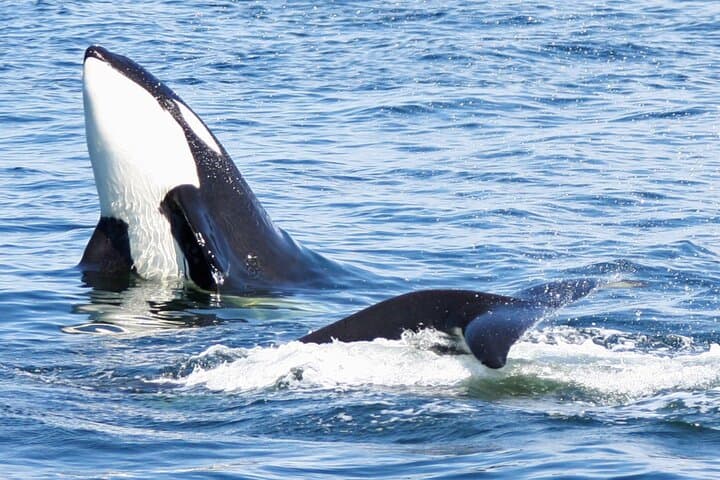
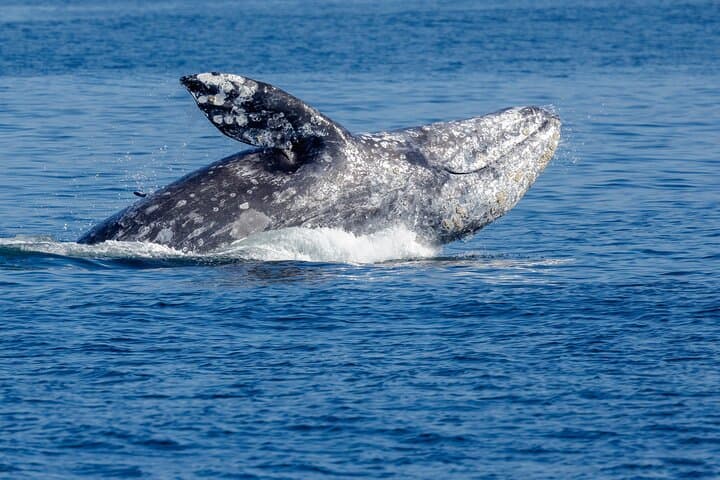


The ferry slips away from the shadow of the Space Needle and the city falls behind like a photograph pushed into your pocket. Salt air replaces car exhaust; gulls ride the wake and the skyline bends into a coastal horizon. On this 3–5 hour wildlife cruise from Pier 69, the Salish Sea takes center stage — islands, channels and the serrated silhouette of the Olympics frame a search for transient orcas, humpbacks and minkes.
The ferry slips away from the shadow of the Space Needle and the city falls behind like a photograph pushed into your pocket. Salt air replaces car exhaust; gulls ride the wake and the skyline bends into a coastal horizon. On this 3–5 hour wildlife cruise from Pier 69, the Salish Sea takes center stage — islands, channels and the serrated silhouette of the Olympics frame a search for transient orcas, humpbacks and minkes.
The water here is shaped by glaciers and tides. Millennia of ice carved deep channels and left a scatter of islands that set migration routes and feeding grounds for salmon — the lifeblood that draws whales. For generations the Coast Salish peoples navigated these same waters; today guides pair natural-history narration with respect for Indigenous relationships to the sea, explaining how local fisheries, shipping lanes and conservation efforts intersect with whale behavior.
The vessel keeps a quiet, respectful footprint: naturalists on board interpret sightings, enforce viewing distances and explain why transients—mammal-eating orcas—move through differently than the resident fish-eating pods that visit northern channels. Beyond whales you’ll watch harbor seals haul out on rocks, bald eagles quarter the shoreline and porpoises ripple like punctuation in the wake. The geology is readable from the deck — glacial erratics, driftwood beaches and the ramped contours of the Olympic foothills.
Practicalities are straightforward. The tour departs Pier 69 on Seattle’s downtown waterfront (arrive 45 minutes early to check in). Bring layered clothing — windproof outerwear is critical even in summer — and binoculars or a zoom lens. Motion-sickness medication is a smart move for anyone prone to queasiness; the captain’s route favors sheltered channels but the Salish Sea can be choppy when weather shifts.
Plan to keep your camera ready but relaxed: the best shots come from patience and reading the water, not frantic framing. Guides will radio other boats when whales are spotted; when they surface, move slowly, step to open railings and let the animal set the scene. If you want quieter time, ask about smaller departures and midweek sailings—weekends draw larger crowds.
This is an accessible, educational escape for visitors staying in Seattle who want a concentrated dose of Pacific Northwest marine life. It’s not a guaranteed close encounter — wildlife is wild — but the odds and the learning are excellent. Leave the cityscape behind for a half day and let the Salish Sea make its case: identifiable, untamed, and surprisingly intimate when a humpback exhales nearby.