THE ADVENTURE COLLECTIVE® · Independent discovery and booking for outdoor travel

Skip the rental car scramble—this private arrival transfer from Seattle–Tacoma Airport delivers you to Summit at Snoqualmie in about an hour with flight tracking, luggage help, and drivers who know winter conditions. Read on for what to expect on the road, seasonal cautions, and practical packing tips.
Skip the rental car scramble—this private arrival transfer from Seattle–Tacoma Airport delivers you to Summit at Snoqualmie in about an hour with flight tracking, luggage help, and drivers who know winter conditions. Read on for what to expect on the road, seasonal cautions, and practical packing tips.
You step out of the humid glass of SEA into Pacific Northwest air and a driver ready with a nameplate—then the city peels away eastward as I-90 climbs into the Cascades.
Verified experiences and guided adventures in the surrounding area.
Operated by taxiGo Limo Airport Service · Snoqualmie Pass, Washington
You step out of the humid glass of SEA into Pacific Northwest air and a driver ready with a nameplate—then the city peels away eastward as I-90 climbs into the Cascades.
The road to Summit at Snoqualmie traces river valleys and railway cuts, moving from lowland rainforest through maple and fir into the rocky, wind-bent terrain above 3,000 feet. Geology here is blunt: glacially scoured ridges and cobbled talus that mark the pass; culture is practical and outdoor-facing—ski lodges, trailheads, and service towns built around winter access and summer trail users.
This private arrival transfer is straightforward logistics turned into calm: flight tracking, door-to-door service, and drivers who help with bags and equipment. Expect roughly 45–75 minutes on the road depending on traffic and weather; roughly 30–40 miles and 3,000 feet of relative elevation gain from sea level to the pass.
In winter the highway becomes a negotiated landscape—chains, traction, and plow schedules matter. In shoulder seasons the river corridors dare you to pause at pullouts where the water pushes bright and quick. Drivers are familiar with local timing, ski drop-offs, and where to pause for a quick photo or coffee in North Bend.
Practical guidance: schedule arrivals with buffer for de-icing, carry layers for the higher elevation, and confirm equipment space if you travel with skis or boards. Bring a charged phone, have flight details ready, and tip for service if you value attentive drivers. For many travelers this transfer removes the friction and hands you straight to snow, trails, or the lodge.
easy.
45–75 minutes.
No special fitness required; suitable for all travelers including families and those with limited mobility
Typical drive time is about 45–75 minutes depending on traffic and weather; the service tracks flights and schedules pickups accordingly.
Yes—most vehicles accommodate skis and snowboards but you should note equipment in your booking so the operator assigns appropriate vehicles.
Child and infant seats are available on request; indicate ages at booking to ensure the correct restraint is provided.
You can cancel for a full refund if you cancel at least 24 hours before the scheduled pickup time.
Snoqualmie Pass has long been a transportation corridor used by native peoples and later by rail and highway projects that connected Puget Sound to central Washington; the Summit at Snoqualmie grew around early 20th-century ski tourism.
Winter operations and highway salt can impact alpine vegetation; keep to marked parking and trail areas and minimize drive idling to reduce local air and noise impacts.
taxiGo Limo Airport Service operates guided outdoor trips and adventures with an emphasis on safety, stewardship, and memorable experiences.
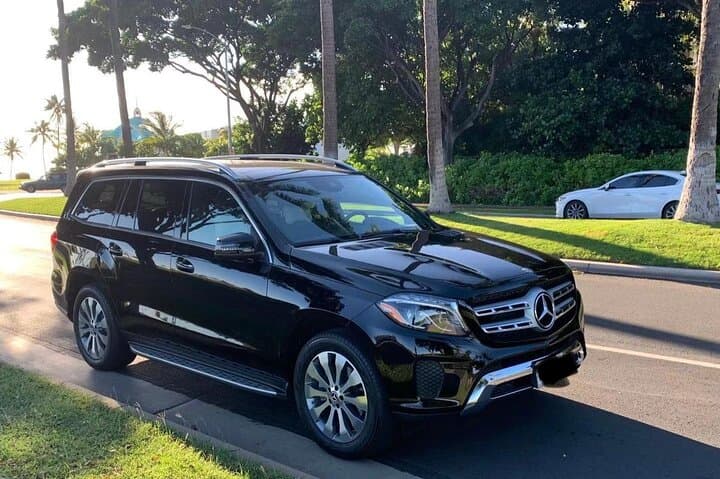
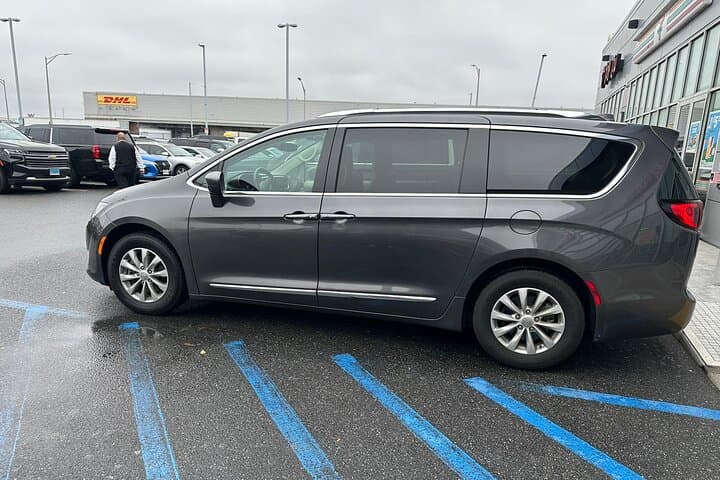
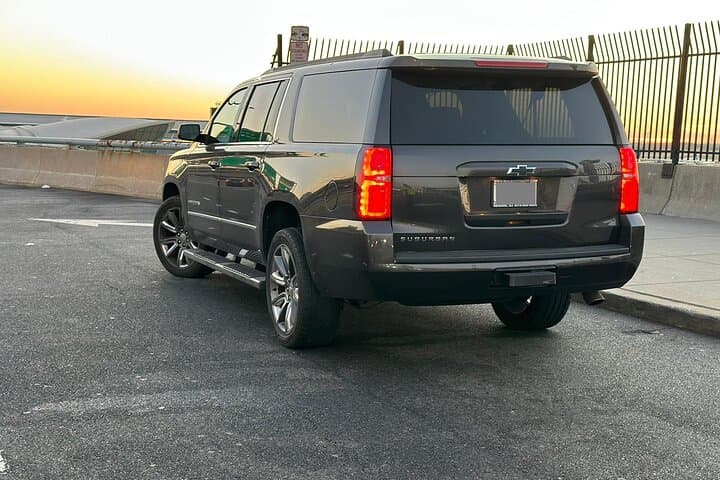
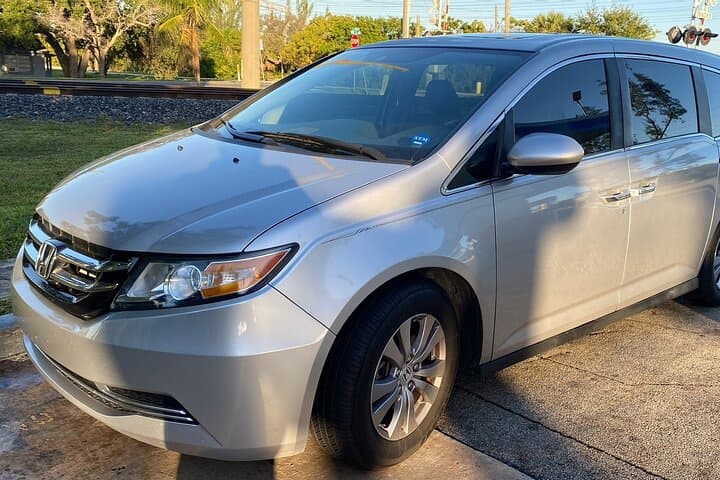
You step out of the humid glass of SEA into Pacific Northwest air and a driver ready with a nameplate—then the city peels away eastward as I-90 climbs into the Cascades.
You step out of the humid glass of SEA into Pacific Northwest air and a driver ready with a nameplate—then the city peels away eastward as I-90 climbs into the Cascades.
The road to Summit at Snoqualmie traces river valleys and railway cuts, moving from lowland rainforest through maple and fir into the rocky, wind-bent terrain above 3,000 feet. Geology here is blunt: glacially scoured ridges and cobbled talus that mark the pass; culture is practical and outdoor-facing—ski lodges, trailheads, and service towns built around winter access and summer trail users.
This private arrival transfer is straightforward logistics turned into calm: flight tracking, door-to-door service, and drivers who help with bags and equipment. Expect roughly 45–75 minutes on the road depending on traffic and weather; roughly 30–40 miles and 3,000 feet of relative elevation gain from sea level to the pass.
In winter the highway becomes a negotiated landscape—chains, traction, and plow schedules matter. In shoulder seasons the river corridors dare you to pause at pullouts where the water pushes bright and quick. Drivers are familiar with local timing, ski drop-offs, and where to pause for a quick photo or coffee in North Bend.
Practical guidance: schedule arrivals with buffer for de-icing, carry layers for the higher elevation, and confirm equipment space if you travel with skis or boards. Bring a charged phone, have flight details ready, and tip for service if you value attentive drivers. For many travelers this transfer removes the friction and hands you straight to snow, trails, or the lodge.