THE ADVENTURE COLLECTIVE® · Independent discovery and booking for outdoor travel

A 30-minute seaplane flight from Rotorua gives a compact, high-impact view of Mt Tarawera, crater lakes and geothermal parks. Perfect for photographers or those short on time who want a clear aerial orientation of central North Island volcanic terrain.
A 30-minute seaplane flight from Rotorua gives a compact, high-impact view of Mt Tarawera, crater lakes and geothermal parks. Perfect for photographers or those short on time who want a clear aerial orientation of central North Island volcanic terrain.
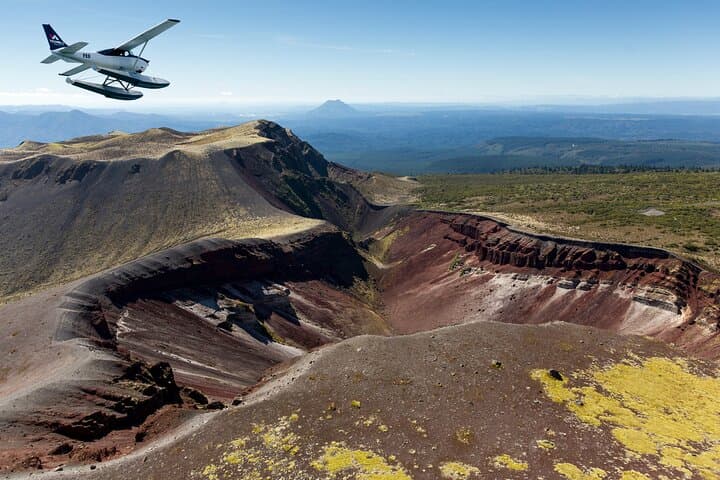
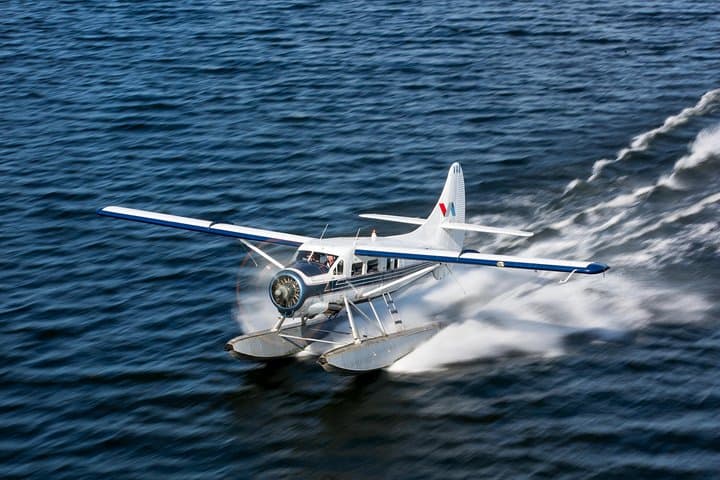
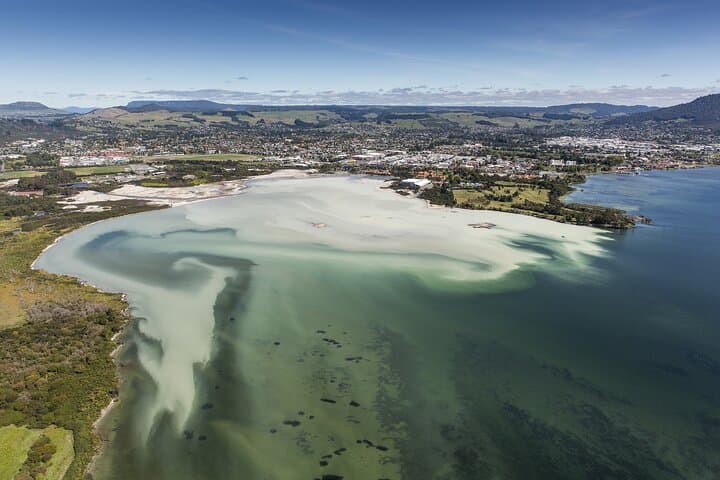
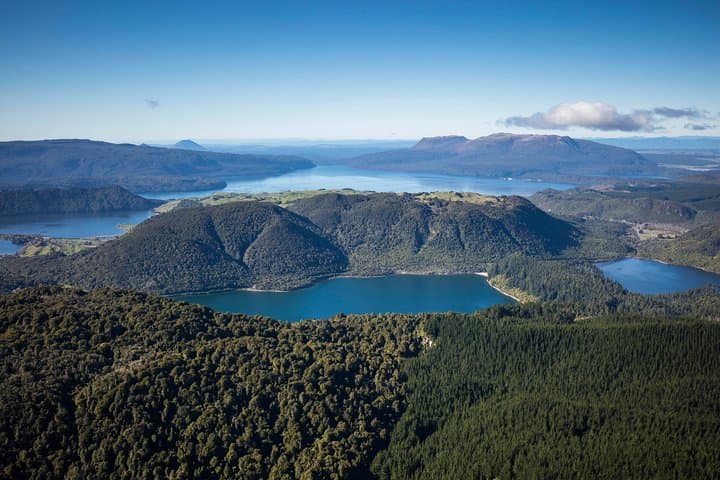
The floatplane lifts from Rotorua’s lakefront and the city shrinks into a scatter of roofs while the lake stretches like dark glass below. You feel the aircraft tilt, the engine’s steady pulse underscoring a panorama that unfolds—Mokoia Island, the twin colors of Okaro and Tikitapu, and then the raw silhouette of Mt Tarawera with its scarred caldera.
Verified experiences and guided adventures in the surrounding area.
Operated by Volcanic Air · Rotorua, Bay of Plenty
The floatplane lifts from Rotorua’s lakefront and the city shrinks into a scatter of roofs while the lake stretches like dark glass below. You feel the aircraft tilt, the engine’s steady pulse underscoring a panorama that unfolds—Mokoia Island, the twin colors of Okaro and Tikitapu, and then the raw silhouette of Mt Tarawera with its scarred caldera.
This corridor of sky maps New Zealand’s volcanic story. Tarawera’s 1886 eruption reshaped the landscape and erased the celebrated Pink and White Terraces; what remains is a ragged, instructive geology of lava flows, fumaroles and crater lakes. The Maori cultural imprint is strong here—Mokoia Island’s history of settlement and legend sits quietly in the middle of the lake, visible from the air.
The flight threads over Waimangu geothermal valley and skims Whakarewarewa’s steaming edges; from above you see the scale of the hydrothermal system and the delicate boardwalks that protect it. Nature exerts a presence: steam plumes insist on being seen, sulphur bays breathe slow and sulfurous.
Practically, the tour is a compact way to experience volcanic Rotorua in 30 minutes. Book a morning or late-afternoon slot for softer light and calmer air. Weight limits and balance matter—operators ask for passenger weights at booking. Weather can cancel flights; glazing sunscreen and layered windproofs are sensible, and secure your camera. Arrival and departure are at Rotorua City Lakefront—plan your own transport to the Volcanic Air office. For travelers who want a quick, high-impact survey of central North Island volcanoes, this floatplane delivers clarity, context and the kind of views that make you want to explore the ground beneath the clouds.
easy.
30 minutes.
Suitable for almost all fitness levels; ability to step into a floatplane required
The flight is approximately 30 minutes and departs/returns to Rotorua City Lakefront; arrive at the Volcanic Air office for check-in.
Flights can be cancelled for safety in poor weather; the operator typically offers an alternative time or a full refund if cancelled at short notice.
Infants are allowed but must sit on an adult’s lap; specialized infant seats are available—note age and seating policies when booking.
For comfort and balance, the maximum per seat is 135 kg (297 lbs); accurate passenger weights are required at booking for load planning.
Mt Tarawera’s 1886 eruption dramatically altered the landscape and ended tourist visits to the famed Pink and White Terraces; the event is central to both scientific and local Māori history.
Geothermal features are fragile and protected—stay on boardwalks and follow signage; aerial tours reduce ground traffic pressure but respect for sensitive sites remains essential.
Volcanic Air operates guided outdoor trips and adventures with an emphasis on safety, stewardship, and memorable experiences.
The floatplane lifts from Rotorua’s lakefront and the city shrinks into a scatter of roofs while the lake stretches like dark glass below. You feel the aircraft tilt, the engine’s steady pulse underscoring a panorama that unfolds—Mokoia Island, the twin colors of Okaro and Tikitapu, and then the raw silhouette of Mt Tarawera with its scarred caldera.
The floatplane lifts from Rotorua’s lakefront and the city shrinks into a scatter of roofs while the lake stretches like dark glass below. You feel the aircraft tilt, the engine’s steady pulse underscoring a panorama that unfolds—Mokoia Island, the twin colors of Okaro and Tikitapu, and then the raw silhouette of Mt Tarawera with its scarred caldera.
This corridor of sky maps New Zealand’s volcanic story. Tarawera’s 1886 eruption reshaped the landscape and erased the celebrated Pink and White Terraces; what remains is a ragged, instructive geology of lava flows, fumaroles and crater lakes. The Maori cultural imprint is strong here—Mokoia Island’s history of settlement and legend sits quietly in the middle of the lake, visible from the air.
The flight threads over Waimangu geothermal valley and skims Whakarewarewa’s steaming edges; from above you see the scale of the hydrothermal system and the delicate boardwalks that protect it. Nature exerts a presence: steam plumes insist on being seen, sulphur bays breathe slow and sulfurous.
Practically, the tour is a compact way to experience volcanic Rotorua in 30 minutes. Book a morning or late-afternoon slot for softer light and calmer air. Weight limits and balance matter—operators ask for passenger weights at booking. Weather can cancel flights; glazing sunscreen and layered windproofs are sensible, and secure your camera. Arrival and departure are at Rotorua City Lakefront—plan your own transport to the Volcanic Air office. For travelers who want a quick, high-impact survey of central North Island volcanoes, this floatplane delivers clarity, context and the kind of views that make you want to explore the ground beneath the clouds.