THE ADVENTURE COLLECTIVE® · Independent discovery and booking for outdoor travel

Lift from the Swan River and reach Rottnest Island in under 15 minutes. This seaplane return gives panoramic views of Perth, Fremantle and the island’s turquoise bays with a practical, day-use schedule.
Lift from the Swan River and reach Rottnest Island in under 15 minutes. This seaplane return gives panoramic views of Perth, Fremantle and the island’s turquoise bays with a practical, day-use schedule.
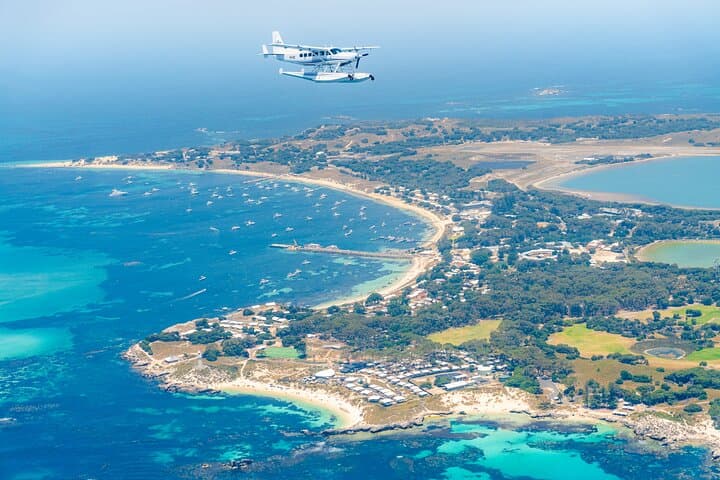
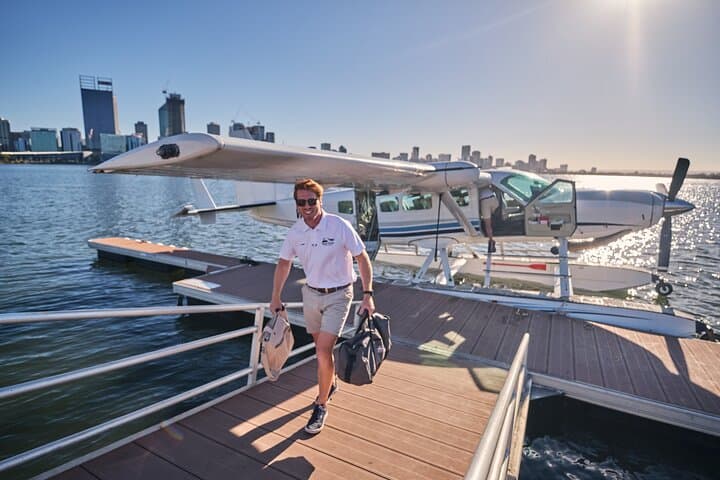
The hum builds low on the Swan River as a Cessna hydroplane eases from the water and Perth’s skyline slinks beneath you. Windows frame Kings Park, the arc of Optus Stadium and the old port of Fremantle before the city gives way to open ocean and the blue-green scatter of Rottnest Island. In under 15 minutes the island’s bays and limestone headlands resolve into sharp color and shadow, and the pilot sets you down on a quiet cove.
Verified experiences and guided adventures in the surrounding area.
Operated by Swan River Seaplanes · Perth, Western Australia
The hum builds low on the Swan River as a Cessna hydroplane eases from the water and Perth’s skyline slinks beneath you. Windows frame Kings Park, the arc of Optus Stadium and the old port of Fremantle before the city gives way to open ocean and the blue-green scatter of Rottnest Island. In under 15 minutes the island’s bays and limestone headlands resolve into sharp color and shadow, and the pilot sets you down on a quiet cove.
Rottnest (Wadjemup) is a largely limestone island formed by drowned dunes and reef; Dutch sailors named it in the 1600s after quokkas they mistook for rodents. The island’s layered history includes Noongar cultural connections, colonial whaling and later military use — traces of which are readable in old drill sites, the lighthouse and scattered stone buildings.
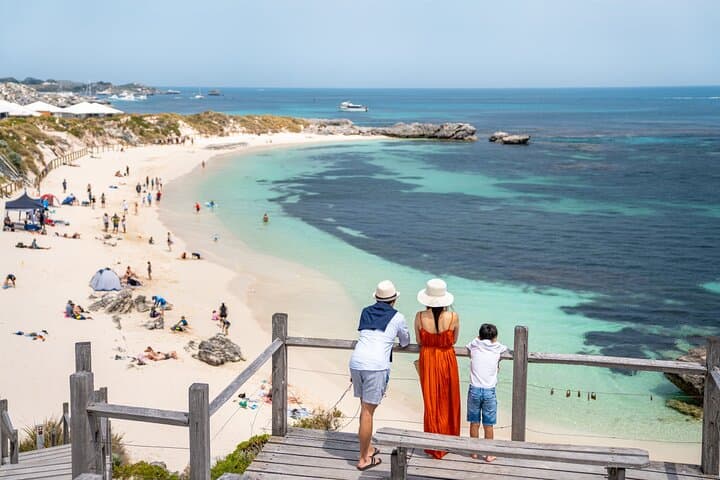
From the air you see the coastline’s geology — pale limestone shelves, sand-filled bays and reefs that bend the turquoise of the sea. Culture here is small-scale and seasonal: bicycle hires, salt-tolerant vegetation, and quokkas that shamble across picnic lawns.
Practicalities matter. Flights depart South Perth early (0800; Sundays 0915) with a late-afternoon return; expect a 15-minute air crossing and a full day ashore. Weight limits, a 120 kg passenger cap and a no-food policy on board are enforced for safety and comfort. Afternoon winds commonly affect island operations; the operator may reroute a return to Jandakot in high crosswinds.
Plan to arrive with sunscreen, a light wind layer, and a small daypack. Book early for morning windows (calmer air and cleaner light), allow time to cycle to hidden coves, and respect marked tracks to protect fragile dunes and native wildlife.
easy.
1–8 hours.
Suitable for most fitness levels; minimal exertion for the flight but plan for walking or cycling on the island.
The direct seaplane crossing takes about 12–15 minutes each way, though turnarounds and island time determine the full-day schedule.
Yes—there are passenger weight restrictions and a maximum passenger weight of 120 kg; full names and weights are required at booking for load planning.
Flights can be canceled for weather or insufficient passengers; you may be offered a refund or an alternative return via Jandakot Airport if crosswinds prevent seaplane operations.
No food is allowed on the seaplane; infants can travel but must sit on an adult’s lap and specialized infant seats are available on request.
Rottnest (Wadjemup) has Noongar significance and layered colonial history; Dutch sailors named it in the 1600s after quokkas, and the island later hosted military installations and a penal settlement.
Rottnest is managed to protect native species and fragile dunes—stay on marked paths, avoid feeding wildlife and use island waste facilities to limit impact.
Swan River Seaplanes operates guided outdoor trips and adventures with an emphasis on safety, stewardship, and memorable experiences.
The hum builds low on the Swan River as a Cessna hydroplane eases from the water and Perth’s skyline slinks beneath you. Windows frame Kings Park, the arc of Optus Stadium and the old port of Fremantle before the city gives way to open ocean and the blue-green scatter of Rottnest Island. In under 15 minutes the island’s bays and limestone headlands resolve into sharp color and shadow, and the pilot sets you down on a quiet cove.
The hum builds low on the Swan River as a Cessna hydroplane eases from the water and Perth’s skyline slinks beneath you. Windows frame Kings Park, the arc of Optus Stadium and the old port of Fremantle before the city gives way to open ocean and the blue-green scatter of Rottnest Island. In under 15 minutes the island’s bays and limestone headlands resolve into sharp color and shadow, and the pilot sets you down on a quiet cove.
Rottnest (Wadjemup) is a largely limestone island formed by drowned dunes and reef; Dutch sailors named it in the 1600s after quokkas they mistook for rodents. The island’s layered history includes Noongar cultural connections, colonial whaling and later military use — traces of which are readable in old drill sites, the lighthouse and scattered stone buildings.
From the air you see the coastline’s geology — pale limestone shelves, sand-filled bays and reefs that bend the turquoise of the sea. Culture here is small-scale and seasonal: bicycle hires, salt-tolerant vegetation, and quokkas that shamble across picnic lawns.
Practicalities matter. Flights depart South Perth early (0800; Sundays 0915) with a late-afternoon return; expect a 15-minute air crossing and a full day ashore. Weight limits, a 120 kg passenger cap and a no-food policy on board are enforced for safety and comfort. Afternoon winds commonly affect island operations; the operator may reroute a return to Jandakot in high crosswinds.
Plan to arrive with sunscreen, a light wind layer, and a small daypack. Book early for morning windows (calmer air and cleaner light), allow time to cycle to hidden coves, and respect marked tracks to protect fragile dunes and native wildlife.