THE ADVENTURE COLLECTIVE® · Independent discovery and booking for outdoor travel

Head north from Amsterdam for a half‑day seal safari on the UNESCO‑listed Wadden Sea. Observe harbor and gray seals on tidal flats, visit a 17th‑century village, and learn about the coast’s unique tidal geology.
Head north from Amsterdam for a half‑day seal safari on the UNESCO‑listed Wadden Sea. Observe harbor and gray seals on tidal flats, visit a 17th‑century village, and learn about the coast’s unique tidal geology.
A motorcoach eases out of Amsterdam and the landscape shifts—polders, dikes and windmills marking land that was once ocean. By the time the group boards a low‑profile boat the salt air is sharper; the Wadden Sea’s tide flats spread like a living map and the water seems to be breathing, pushing and pulling around the sandbanks.
Verified experiences and guided adventures in the surrounding area.
Operated by Dutch Tours · Den Helder, North Holland
A motorcoach eases out of Amsterdam and the landscape shifts—polders, dikes and windmills marking land that was once ocean. By the time the group boards a low‑profile boat the salt air is sharper; the Wadden Sea’s tide flats spread like a living map and the water seems to be breathing, pushing and pulling around the sandbanks.
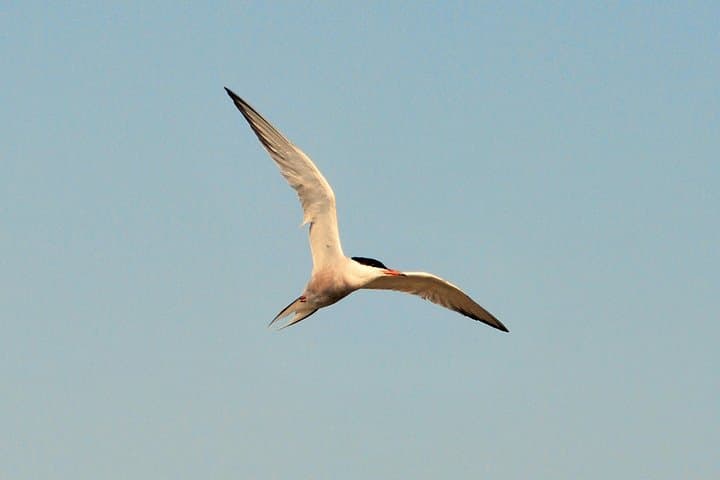
This stretch of coastline is part of the Dutch Wadden Sea UNESCO World Heritage Site, shaped by tidal forces and human engineering: medieval dikes, reclaimed farmland and 17th‑century villages such as Twisk trace the history of land built back from the waves. Geologically the flats are young—sediment and salt marshes that attract millions of migratory birds and provide haul‑out spots for gray and harbor seals. Culture here is pragmatic: coastal communities long learned to read tides as carefully as weather.
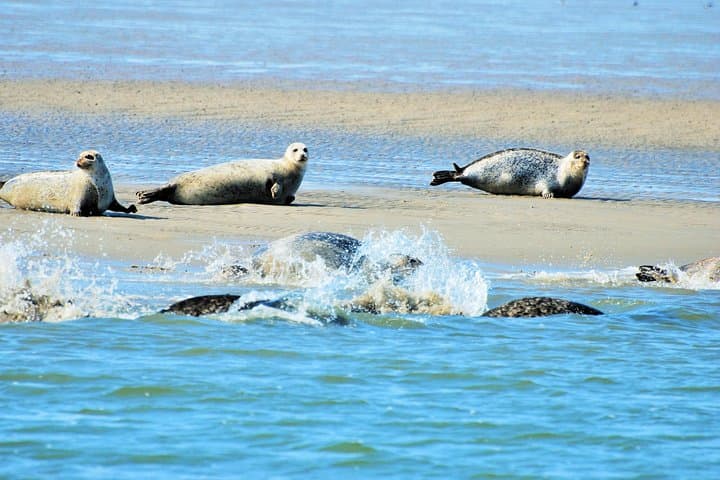
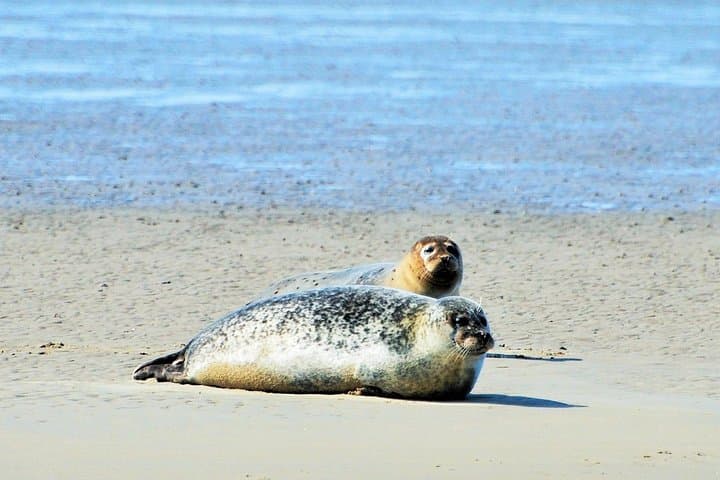
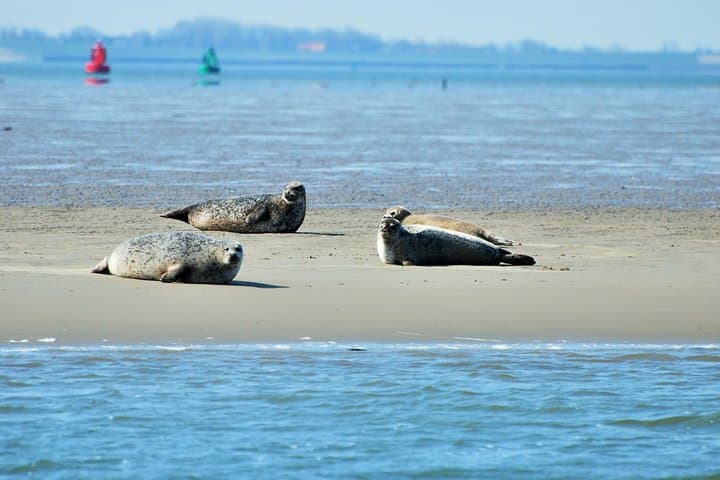
On board, guides scan sandbanks and shallow channels at low tide, where seals bob and porpoises sometimes arc through the chop. Expect focused wildlife viewing rather than close approaches—seals will haul out and watch on their own terms.
Practical guidance: the full experience combines driving from Amsterdam, a 2.5‑hour boat tour and short on‑land stops (plan for 5–6 hours total). Dress in windproof, waterproof layers, bring binoculars and a camera with a telephoto lens, and arrive early for the morning pickup. Respect wildlife distances, follow crew instructions when boarding, and remember the Wadden’s tides dictate where and when boats can safely navigate.
easy.
5–6 hours.
Suitable for most fitness levels; requires ability to board a small boat and stand on deck for extended periods.
Very likely—harbor and gray seals regularly haul out on the Wadden sandbanks; sightings are common but never guaranteed due to tides and weather.
The operator picks up in central Amsterdam and drives to the coast; the boat portion is about 2.5 hours within a 5–6 hour total timeframe.
Yes—this small‑group tour is rated easy, allows strollers, and can accommodate collapsible wheelchairs with assistance for boarding and disembarking.
The operator runs in most conditions but may cancel for safety in severe weather; check the 24‑hour cancellation policy for refunds.
The Wadden Sea’s coast has long been reshaped by dike building and reclamation; villages like Twisk show 17th‑century rural planning tied to water management.
The Wadden Sea is protected to conserve migratory birds and marine mammals; visitors are asked to keep distance from haul‑out sites and follow guide instructions to minimize disturbance.
Dutch Tours operates guided outdoor trips and adventures with an emphasis on safety, stewardship, and memorable experiences.
A motorcoach eases out of Amsterdam and the landscape shifts—polders, dikes and windmills marking land that was once ocean. By the time the group boards a low‑profile boat the salt air is sharper; the Wadden Sea’s tide flats spread like a living map and the water seems to be breathing, pushing and pulling around the sandbanks.
A motorcoach eases out of Amsterdam and the landscape shifts—polders, dikes and windmills marking land that was once ocean. By the time the group boards a low‑profile boat the salt air is sharper; the Wadden Sea’s tide flats spread like a living map and the water seems to be breathing, pushing and pulling around the sandbanks.
This stretch of coastline is part of the Dutch Wadden Sea UNESCO World Heritage Site, shaped by tidal forces and human engineering: medieval dikes, reclaimed farmland and 17th‑century villages such as Twisk trace the history of land built back from the waves. Geologically the flats are young—sediment and salt marshes that attract millions of migratory birds and provide haul‑out spots for gray and harbor seals. Culture here is pragmatic: coastal communities long learned to read tides as carefully as weather.
On board, guides scan sandbanks and shallow channels at low tide, where seals bob and porpoises sometimes arc through the chop. Expect focused wildlife viewing rather than close approaches—seals will haul out and watch on their own terms.
Practical guidance: the full experience combines driving from Amsterdam, a 2.5‑hour boat tour and short on‑land stops (plan for 5–6 hours total). Dress in windproof, waterproof layers, bring binoculars and a camera with a telephoto lens, and arrive early for the morning pickup. Respect wildlife distances, follow crew instructions when boarding, and remember the Wadden’s tides dictate where and when boats can safely navigate.